
By The Pulseline News Desk
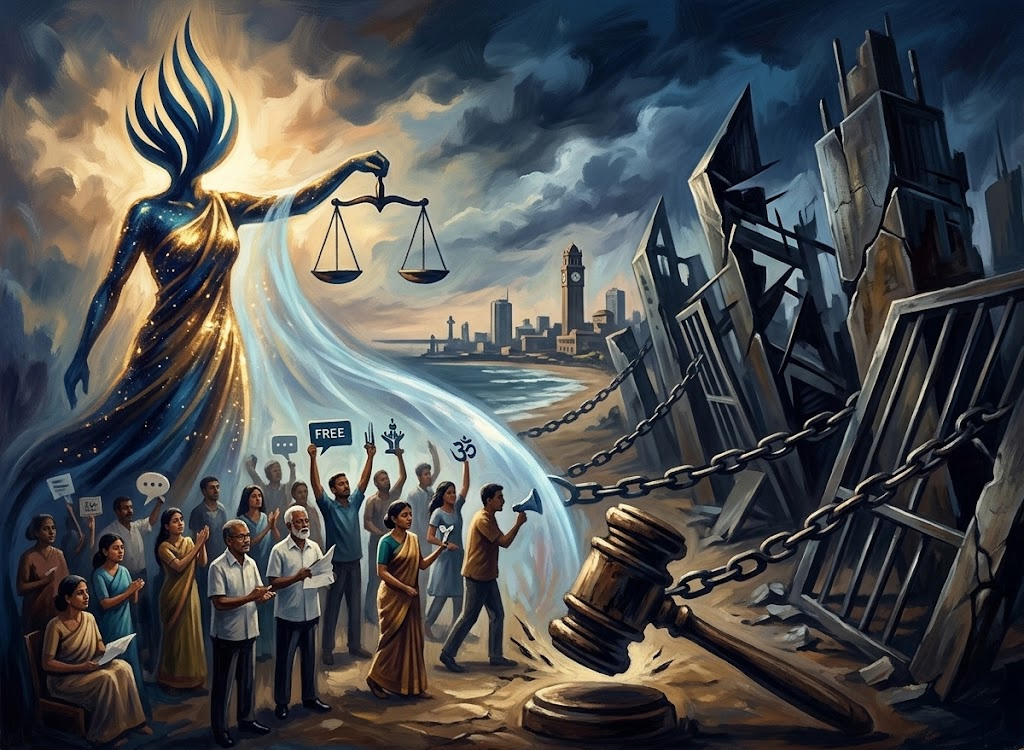
The Office of the United Nations High Commissioner for Human Rights (OHCHR) has urged the Sri Lankan Government to undertake a comprehensive review of the proposed Prevention of Terrorism Act (PSTA) Bill, warning that several provisions retain or expand shortcomings found in the existing Prevention of Terrorism Act (PTA) and earlier counter-terrorism proposals.
While acknowledging that the latest draft contains additional safeguards and improvements, the Office has raised concerns over broadly defined terrorism offences, administrative detention, extensive police and security-force powers, executive discretion and inadequate protections against torture and other human rights violations.
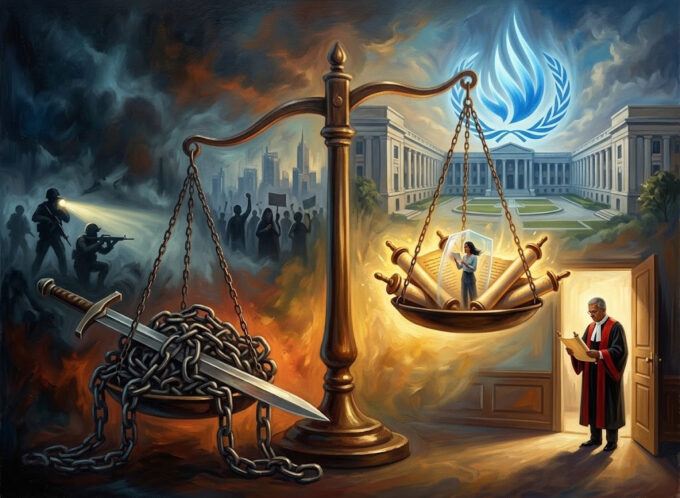
In its observations on the proposed legislation, the Office has called for substantial revisions to ensure that the Bill complies with international human rights law, including stronger judicial oversight of arrests and detention, improved fair-trial guarantees and effective mechanisms for accountability.
The Office has said terrorism-related offences must be defined clearly, narrowly and predictably in accordance with the principle of legality. It also called for the removal or substantial revision of provisions that could criminalise protected expression and legitimate civic activities.
The proposed legislation should contain effective safeguards for freedom of expression, peaceful assembly, association, religion or belief, and participation in public affairs, it said, stressing that any restrictions must be lawful, necessary and proportionate to a legitimate aim.
Concerns over detention and judicial oversight
One of the Office’s principal concerns is the continued centrality of administrative detention under the proposed framework.
It has stressed that every deprivation of liberty must be subject to prompt and effective judicial control and periodic review.
Accordingly, the Office has recommended that every initial and extended detention order require independent judicial approval, with courts empowered to reject detention requests and order the release of individuals.
It also called for the deadline for producing a suspect before a judge to run from the time of arrest and to apply consistently, regardless of which authority carried out the arrest.
These safeguards are intended to strengthen judicial scrutiny of detention decisions and reduce the risk of arbitrary deprivation of liberty.
The Office has also expressed concern over the Bill’s restrictive bail framework, particularly provisions transferring bail jurisdiction to the High Court and requiring exceptional circumstances to grant bail for offences punishable by life imprisonment.
Warnings over extensive security powers
The proposed Bill has also raised concerns regarding arrest, search, entry and seizure powers that may be exercised without prior judicial authorisation.
The Office has noted that these powers could, in specified circumstances, be exercised by armed-forces and coast-guard personnel.
It has recommended making judicial warrants the rule for intrusive law-enforcement actions, allowing exceptions only in narrowly defined emergencies and subjecting such actions to prompt judicial review.
Any law-enforcement role assigned to the armed forces or coast guard should be genuinely exceptional, time-limited and exercised under clear civilian authority, with effective accountability safeguards, the Office has said.
It has further called for the primacy of civilian policing in the implementation of counter-terrorism legislation.
Stronger safeguards against torture
The Office has emphasised the need for robust safeguards against torture, ill-treatment, enforced disappearance and coercive interrogation.
These should include prompt and confidential access to legal counsel from the first contact with authorities, including during questioning, as well as timely notification of family members, interpretation where necessary, independent medical safeguards and judicial supervision.
It has also called for legal aid where required and full respect for the presumption of innocence and equality of arms.
Evidence obtained through torture, coercion, unlawful detention or serious procedural violations should be excluded, the Office has recommended.
The recommendations place particular emphasis on ensuring that counter-terrorism investigations and prosecutions comply with due process and fair-trial standards.
Executive discretion and immunity provisions
The Office has also raised concerns over the breadth and concentration of discretionary powers vested in executive authorities under the Bill.
These include powers relating to detention, directives, proscription, restrictions and the designation of prohibited places.
It has recommended that such powers be subject to strict requirements of necessity and proportionality, supported by written reasons, disclosure, clear time limits and prompt independent review.
Independent oversight, transparency and effective avenues for accountability and redress should also be established to prevent the misuse of these powers.
The Office has further warned against immunity provisions that could shield officials from accountability for unlawful arrests, torture, ill-treatment, enforced disappearance, recklessness, gross negligence or other serious human rights violations.
It has called for such immunity provisions to be narrowed to ensure that serious violations do not go without effective investigation and accountability.
Government urged to consult before enactment
The Office has called on the Government to conduct a further comprehensive review of the draft legislation before its enactment, involving independent institutions, civil society organisations and legal experts.
Its recommendations include narrowing the definition of terrorism and related offences, strengthening judicial oversight of arrests and detention, reinforcing fair-trial guarantees, requiring judicial warrants for intrusive searches and seizures, and ensuring civilian police primacy.
It has also called for stronger safeguards against torture and arbitrary detention, effective independent oversight and remedies, and meaningful public consultation before the Government proceeds with further legislative action.
The observations come amid scrutiny of the proposed PSTA Bill and concerns over whether the new framework would adequately address longstanding human rights criticisms associated with Sri Lanka’s existing counter-terrorism legislation.
The Office has said it remained ready to continue its constructive dialogue with the Government and provide technical assistance to help develop counter-terrorism legislation consistent with international human rights law and applicable international counter-terrorism standards.










Leave a comment