
By The Pulseline News Desk
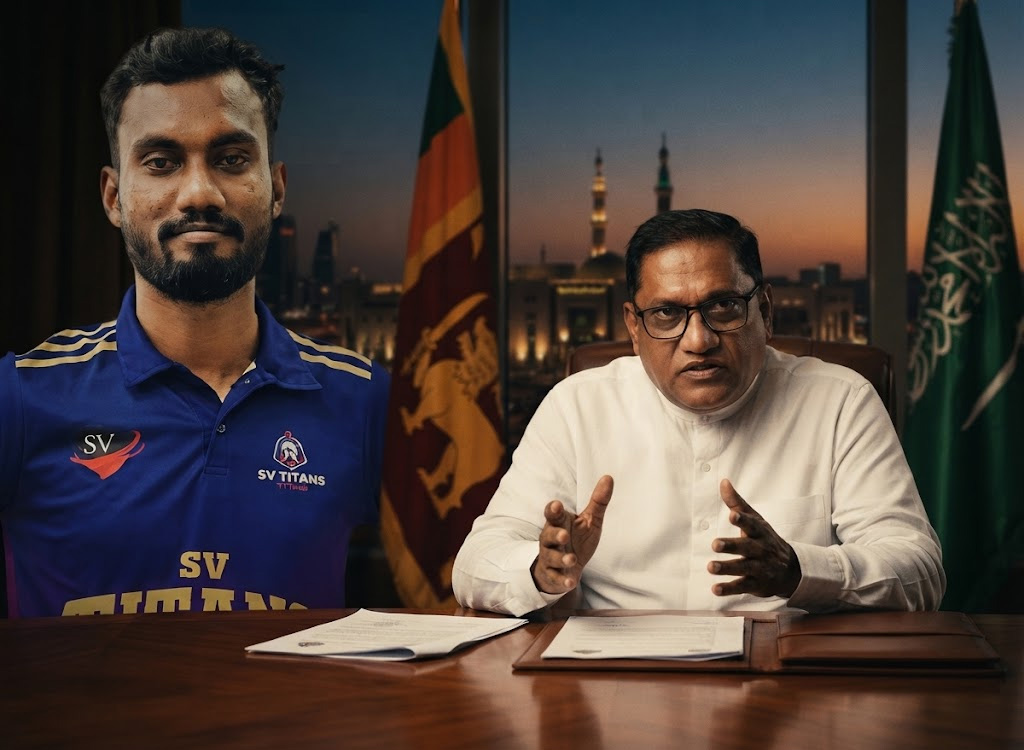
Sri Lanka is stepping up diplomatic and legal efforts to secure relief for migrant worker Anojan Sivarasa, following the death sentence imposed on him by a Saudi Arabian court, with the Government preparing both a parliamentary delegation and a special presidential delegation to pursue the case.
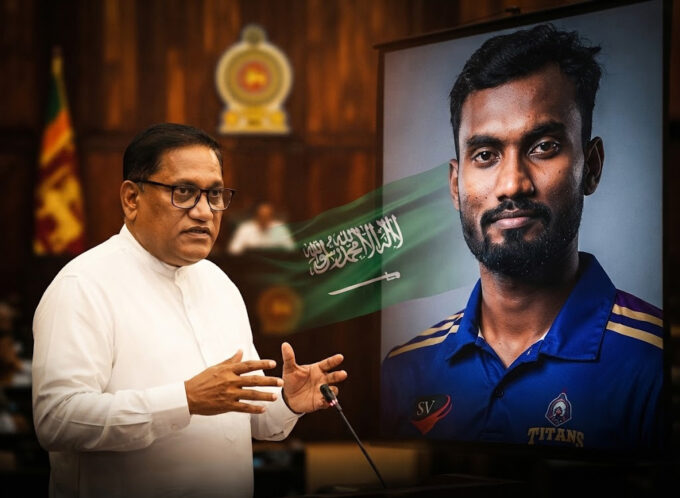
Foreign Minister Vijitha Herath told Parliament today that a delegation led by Deputy Speaker Rizvi Salih, comprising MPs from both the Government and the Opposition, is being proposed to travel to Saudi Arabia and hand over a letter from the Sri Lankan Government appealing against the death sentence.
Herath said he also intends to raise the matter directly with the Saudi Foreign Minister when the two meet on the sidelines of the United Nations General Assembly next week.
The Minister said Sri Lanka would seek alternatives including a pardon, commutation of the death sentence or another concession through diplomatic channels.
At the same time, the Government is preparing a legal intervention. President’s Counsels Upul Kumarapperuma and Faizer Mustapha have agreed to travel to Saudi Arabia at their own expense to coordinate with the legal firm representing Sivarasa and other relevant authorities, Herath told Parliament.
The move comes as Sri Lankan authorities review the latest judgment while exploring possible avenues for an appeal and other forms of legal relief available under Saudi law.
Appeal process underway
Sivarasa, a registered migrant worker, travelled to Saudi Arabia in September 2025. According to the account presented to Parliament by Herath, he subsequently lost his employment following a Facebook post and was arrested on July 2, 2026, over allegations relating to disrespecting Islam and Saudi law.
On July 27, a three-judge bench sentenced him to five years in prison and imposed a fine of three million Saudi riyals under the country’s anti-cybercrime law.
Sivarasa later issued a video apology on Facebook, admitting that he had made a mistake.
The Sri Lankan Embassy in Riyadh received the judgment on July 31 and informed Sivarasa’s family about the available appeal process. His father subsequently consented to an appeal on August 4, and a memorandum of appeal was filed on August 24.
However, following a Saudi Government appeal under Sharia law, the court on September 17 imposed the death sentence on Sivarasa for insulting Prophet Mohammed.
Herath said the written judgment was received by the Sri Lankan authorities on September 20 and translated on September 21.
According to the Minister, the judgment confirmed the death sentence, suspended the previously imposed fine and ordered the deactivation of Sivarasa’s Facebook account.
Government to bear case-related costs
Herath said the Government has undertaken to meet all current and future expenses connected with the case.
The Sri Lankan Embassy in Riyadh remains in direct contact with Sivarasa and is providing consular assistance, while also examining possible avenues for taking the case before higher courts in Saudi Arabia.
The Government is also maintaining discussions with the Saudi Embassy in Colombo as part of its diplomatic efforts.
A separate special delegation from the President is being prepared to travel to Saudi Arabia, adding another layer to the Government’s diplomatic intervention.
Herath said the Government is reviewing the judgment with Saudi and Sri Lankan legal experts while pursuing legal, diplomatic, consular and humanitarian avenues to seek relief for Sivarasa.
Appeal for responsible intervention
The Foreign Minister told Parliament that the Government was taking “its utmost measures” to address the case and that Sivarasa’s family had been kept informed of the steps being taken.
However, he also appealed to all parties to act responsibly while the Government’s legal and diplomatic efforts are underway.
Herath cautioned that public statements or actions that could interfere with ongoing negotiations should be avoided, stressing the importance of maintaining relations between Sri Lanka and Saudi Arabia while efforts are being made to secure relief for the condemned Sri Lankan.
The case has therefore moved beyond a conventional consular intervention, with Colombo now pursuing several parallel tracks — a possible appeal through the Saudi legal system, direct ministerial diplomacy, parliamentary engagement and a potential presidential-level intervention.
For Sri Lanka, the immediate challenge is to determine what legal avenues remain available following the September 17 ruling while using diplomatic and humanitarian channels to seek an alternative to the death sentence.











Leave a comment