
By The Pulseline News Desk
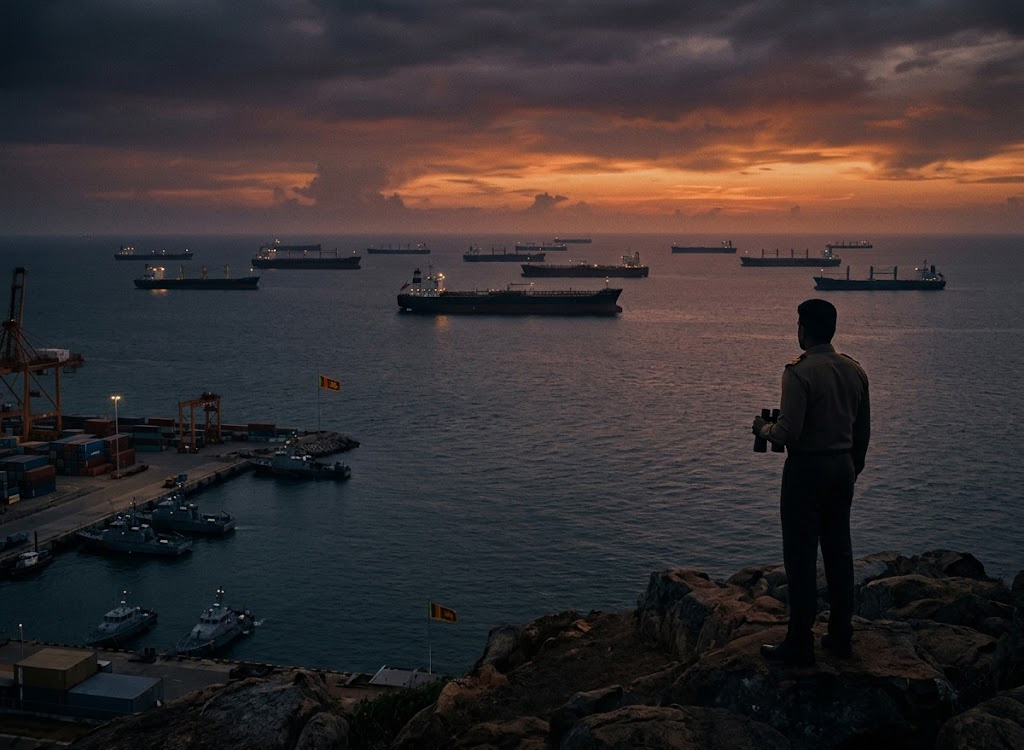
Sri Lanka has no immediate plans to provide assistance to 19 Iranian ships reportedly facing shortages of food, water and fuel in international waters off the island, as the Government weighs humanitarian concerns against potential economic and diplomatic consequences.
Foreign Ministry Spokesman Thushara Rodrigo has reportedly said the Government would prioritise Sri Lanka’s national interests before deciding whether to assist the vessels, while noting that companies supplying the ships were aware of the possibility of secondary sanctions imposed by the United States (US).
However, Rodrigo has said Sri Lanka had not received any communication from Washington warning of repercussions if it decided to provide assistance.
The ships are reportedly anchored approximately 24 nautical miles off Sri Lanka’s coast and have reported shortages of essential supplies, according to the Foreign Ministry spokesman.
The Iranian Embassy in Colombo has said it has no details regarding the situation.
Foreign Minister Vijitha Herath has told local media that the vessels were Iranian oil tankers that had remained anchored off Sri Lanka for several months after the US resumed its naval blockade of the Strait of Hormuz, leaving dozens of Iranian vessels stranded and unable to return home.
The situation presents a diplomatic dilemma for Sri Lanka, which is emerging from a prolonged economic crisis and maintains important economic ties with both Washington and Tehran.
The US has played a significant role in supporting Sri Lanka’s recovery efforts, including backing its International Monetary Fund (IMF) bailout programme and assisting the agricultural sector during the country’s food crisis.
Against this backdrop, any decision to assist Iranian vessels could raise concerns about potential economic and diplomatic repercussions, particularly if commercial suppliers fear exposure to US secondary sanctions.
Humanitarian obligations under scrutiny
International affairs analyst Dayan Jayatilleka has been quoted by as saying that Sri Lanka faced a difficult situation, given the practical limitations on what the country could do while navigating competing international interests.
He has argued that the Government should consider its obligations under international humanitarian law while carefully assessing the circumstances surrounding the vessels.
Jayatilleka has stressed that the ships were cargo vessels rather than warships and had reportedly transported oil from Iran to China.
He has said Sri Lanka should not be perceived as deliberately refusing humanitarian assistance, noting that there were practical and diplomatic considerations that required careful deliberation.
However, Jayatilleka has argued that if the vessels entered Sri Lankan waters because they were under attack, the country would have a moral obligation to provide immediate assistance.
His remarks highlight the distinction between providing emergency humanitarian assistance to vessels in distress and arranging supplies for ships remaining in international waters amid geopolitical tensions.
Shadow of the IRIS Dena incident
The latest development comes nearly seven months after an American torpedo attack sank the Iranian naval vessel IRIS Dena, killing 87 sailors.
The vessel was returning to Iran after participating in a naval exercise at India’s invitation.
A second Iranian ship was brought to a Sri Lankan port after its crew reported technical problems. Wounded sailors were treated at Sri Lankan hospitals, while those rescued from the vessel were subsequently repatriated to Iran.
The incident placed Sri Lanka in a sensitive position as it responded to the immediate humanitarian needs of Iranian personnel while navigating the wider geopolitical implications of the conflict.
The current situation involving the 19 Iranian ships raises similar questions about the balance between humanitarian responsibilities and the potential consequences of decisions affecting relations with major international partners.
For now, the Government has indicated that it will not rush into providing assistance, with its final position expected to be shaped by Sri Lanka’s national interests, the circumstances facing the vessels and the practical implications of any intervention.










Leave a comment