
By The Pulseline News Desk
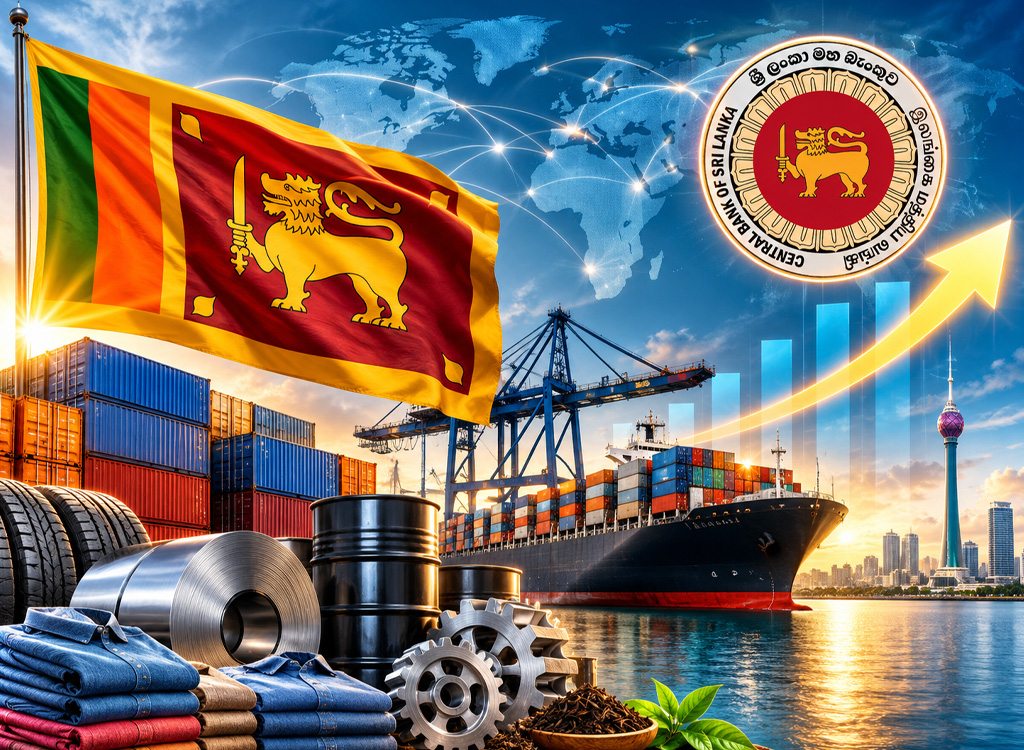
Sri Lanka recorded its highest-ever monthly merchandise export earnings in September 2026, with revenues reaching US$1.377 billion, driven largely by strong growth in industrial exports, particularly petroleum products and machinery, according to Central Bank of Sri Lanka (CBSL) data.
Export earnings increased by 21% compared to September 2025, surpassing the previous monthly record of US$1.302 billion recorded in July 2025.
The latest figures point to an expansion in industrial exports, which grew by 27.7% year-on-year during the month.
Petroleum product exports recorded particularly strong growth, surging 130% to US$149.9 million, while exports of machinery and mechanical appliances increased by 72% to US$70 million.
The growth in petroleum exports has been supported by increased maritime transshipment activity and higher bunkering demand at Sri Lankan ports. Meanwhile, machinery and mechanical exports have benefited from expanding manufacturing supply chains and regional industrial demand.
Despite the strong monthly performance, cumulative merchandise export earnings for the first nine months of 2026 increased by a more moderate 5.4% to US$10.754 billion, reflecting the need to sustain export growth beyond periodic surges in individual product categories.
The latest performance comes amid continuing efforts to diversify Sri Lanka’s export base and increase foreign exchange earnings through higher-value industrial production.
However, structural challenges continue to constrain the country’s ability to expand its presence in international markets.
Sri Lanka’s merchandise exports remain concentrated in traditional sectors, particularly apparel, tea and rubber, leaving the country exposed to fluctuations in demand and prices in a relatively narrow range of global markets.
High domestic energy and logistics costs also undermine the competitiveness of local manufacturers, while regulatory delays, limited access to investment capital and barriers to integrating into global value chains continue to restrict industrial expansion.
The development of advanced manufacturing, engineering and technology-based exports will require greater investment in research and development, improved infrastructure and more predictable regulatory policies.
Although the September figures represent a significant milestone for Sri Lanka’s export sector, sustaining the momentum will depend on whether the country can translate short-term gains in petroleum and machinery exports into broader and more diversified industrial growth.












Leave a comment