
By The Pulseline News Desk
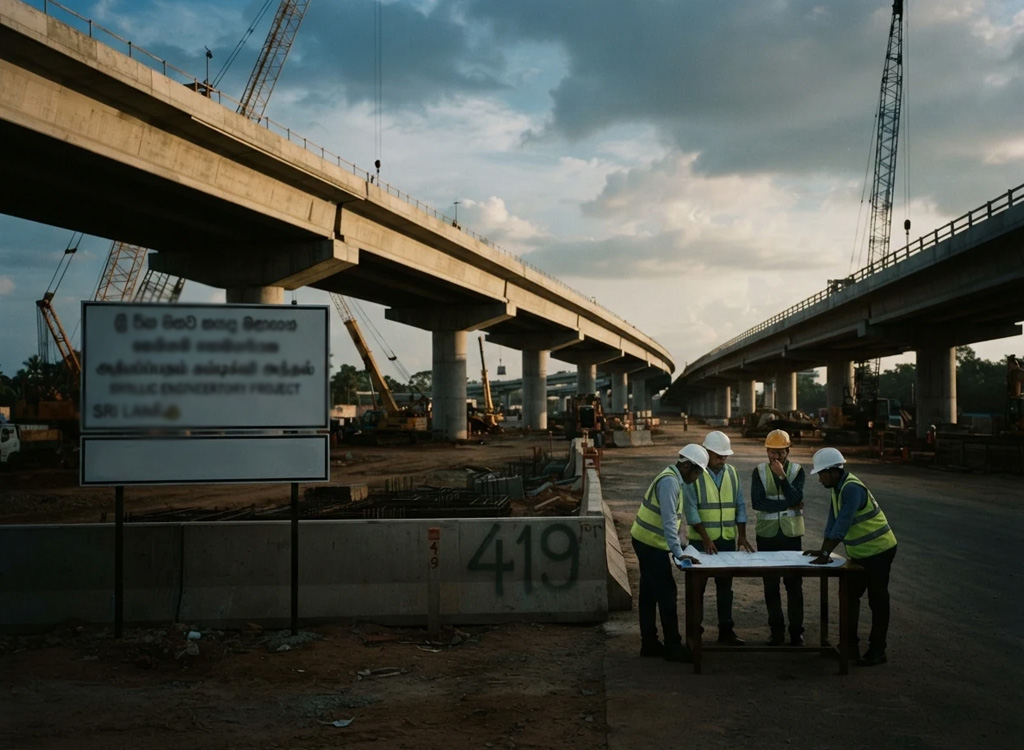
The country’s state engineering service is facing a shortage of 419 officers, with an ongoing dispute over allowances and the departure of hundreds of engineers further straining the government’s capacity to implement public infrastructure projects.
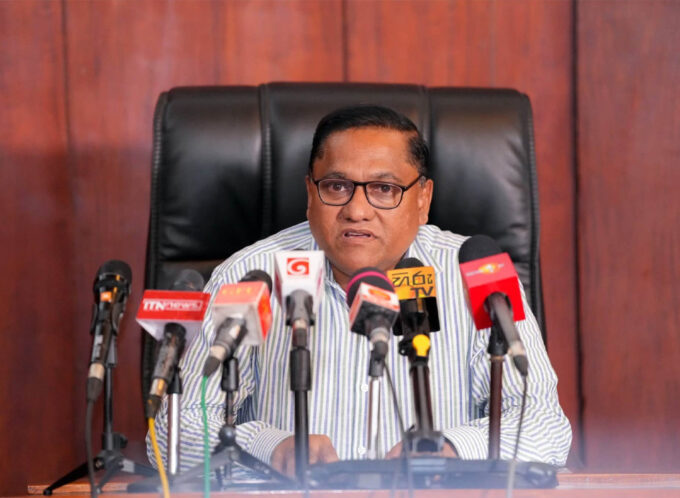
The shortage was disclosed in Parliament by Public Administration Minister A.H.M.H. Abayarathna, responding to a question raised by Opposition Leader Sajith Premadasa.
According to the Minister, only 1,153 engineers were in service as of November 18, 2026, against an approved cadre of 1,572.
The most significant vacancies are at entry level. Of the approved 1,143 Grade III positions, 355 remain vacant. As a result, 285 Grade I and Grade II officers are performing duties assigned to Grade III positions. The service also has 51 vacancies at Grade I level and 13 at Special Grade level.
The staffing crisis has coincided with trade union action by state engineers, who have launched work-to-rule and sick-leave campaigns demanding a separate specialised allowance known as the FACT allowance.
Premadasa has warned that the industrial action could undermine the government’s own development and budget commitments. “Due to the engineering sector implementing a work-to-rule campaign and a sick-leave campaign, this situation severely affects the implementation of your own budget proposals,” he has told Parliament.
He has urged the Government to issue a new circular granting engineers a separate monthly allowance of Rs.75,000, arguing that better remuneration was necessary to retain qualified professionals and prevent further brain drain.
The dispute dates back to June 2024, when a circular had replaced an existing Rs.15,000 allowance with a Rs.25,000 payment. Although the Cabinet had approved a further decision in July 2024, its implementation was stalled during the election period.
However, Abayarathna has said the 2027 Budget had not allocated additional funds for the proposed allowance and has cautioned against introducing isolated salary adjustments before completing a broader review of public-sector remuneration.
He has warned that granting special allowances to one category of public servants could widen existing disparities among government employees.
A Salaries and Pensions Commission, chaired by Ashoka Peiris, is expected to submit an interim report in January. The Government has also indicated that basic salaries in all-island services will increase by between 72.53% and 82,150 rupees by January 2027, with further allowance revisions planned for 2028.
The shortage has also been aggravated by the departure of experienced personnel. Between 2021 and 2025, a total of 328 engineers had left the service, while another 68 had obtained long-term leave to work overseas.
Recruitment was affected by the hiring freeze imposed during 2023 and 2024. The Government has recruited 200 engineers in 2025 and called for applications in November 2026 to fill 201 vacancies through open recruitment and another 66 through limited recruitment.
Wide political differences
Plans are also underway to replace government vehicles that have been in service for approximately 25 years.
The parliamentary exchange exposed wider political differences over the state of public administration and the Government’s ability to finance its development commitments.
Premadasa has questioned the Government’s performance over its two years in office, referring to previous remarks about the Treasury having sufficient funds to meet public requirements.
Abayarathna, however, has defended the Government’s approach, arguing that financial resources alone did not eliminate the need to assess competing demands and existing limitations. “Even though there is money in the State Treasury as the Leader of the Opposition says, as a government, we have the need to identify such limitations and act accordingly,” he has said.
The immediate challenge for the Government is to resolve the engineers’ allowance dispute while addressing the growing shortage of technical personnel. Without sufficient engineering capacity, the implementation of infrastructure projects and other development commitments could face further delays.










Leave a comment