
By The Pulseline News Desk
The Supreme Court’s determinations on three Bills, including the proposed Protection of the State from Terrorism Bill, have been received by the Office of the Speaker of Parliament, paving the way for their presentation to the legislature.
The three Bills are the Immigration Bill, the Sri Lanka Cricket Bill and the Protection of the State from Terrorism Bill.
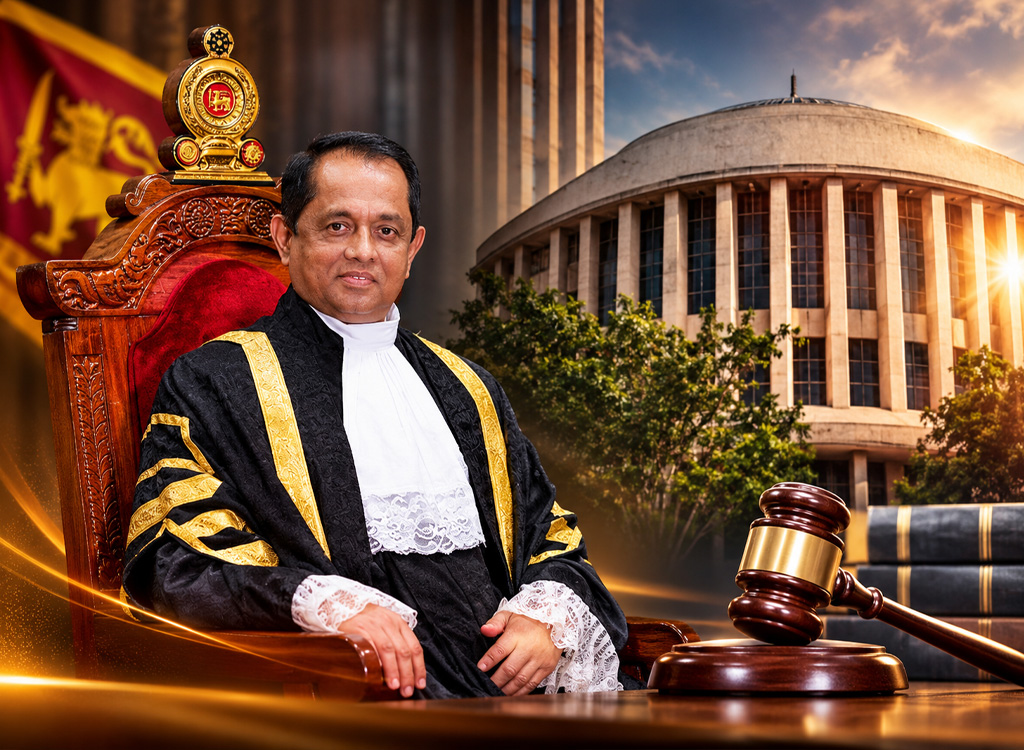
Speaker Jagath Wickramaratne is expected to present the Supreme Court’s determinations on the three Bills to Parliament in the coming days.
The Immigration Bill seeks to introduce a new legal framework governing the entry and departure of persons into and out of Sri Lanka, replacing the existing Immigrants and Emigrants Act No. 20 of 1948. It also seeks to modernise immigration administration, including visa arrangements, electronic travel authorisations, travel documentation and the use of biometric information in electronic passports.
The proposed legislation is intended to address emerging challenges associated with illegal migration, human trafficking, human smuggling and other cross-border offences.
The Sri Lanka Cricket Bill seeks to establish a new legal and administrative framework for the governance and management of cricket in the country. It is part of the Government’s efforts to reform the administration of the sport and address longstanding concerns over governance, accountability and transparency within Sri Lanka Cricket.
The Bill has attracted considerable legal scrutiny, with 33 petitions reportedly filed before the Supreme Court challenging its constitutionality.
The third Bill, the Protection of the State from Terrorism Bill, seeks to repeal and replace the Prevention of Terrorism (Temporary Provisions) Act No. 48 of 1979, which has faced longstanding criticism over alleged human rights violations and its use against political dissent.
The proposed legislation sets out provisions relating to the prevention, investigation, arrest, detention, prosecution and punishment of terrorism-related offences. However, several provisions have raised concerns among legal organisations, human rights groups and civil society over the scope of police and security forces’ powers, detention procedures and potential implications for fundamental rights.
The Bill attracted substantial opposition, with many petitions filed before the Supreme Court.
The Supreme Court’s determinations will clarify whether the proposed legislation is consistent with the Constitution and whether any provisions require amendments or special parliamentary approval.
The determinations are expected to be closely watched, particularly in the case of the proposed anti-terrorism legislation, given the wider debate over balancing national security requirements with fundamental rights and democratic freedoms.












Leave a comment