
By The Pulseline News Desk
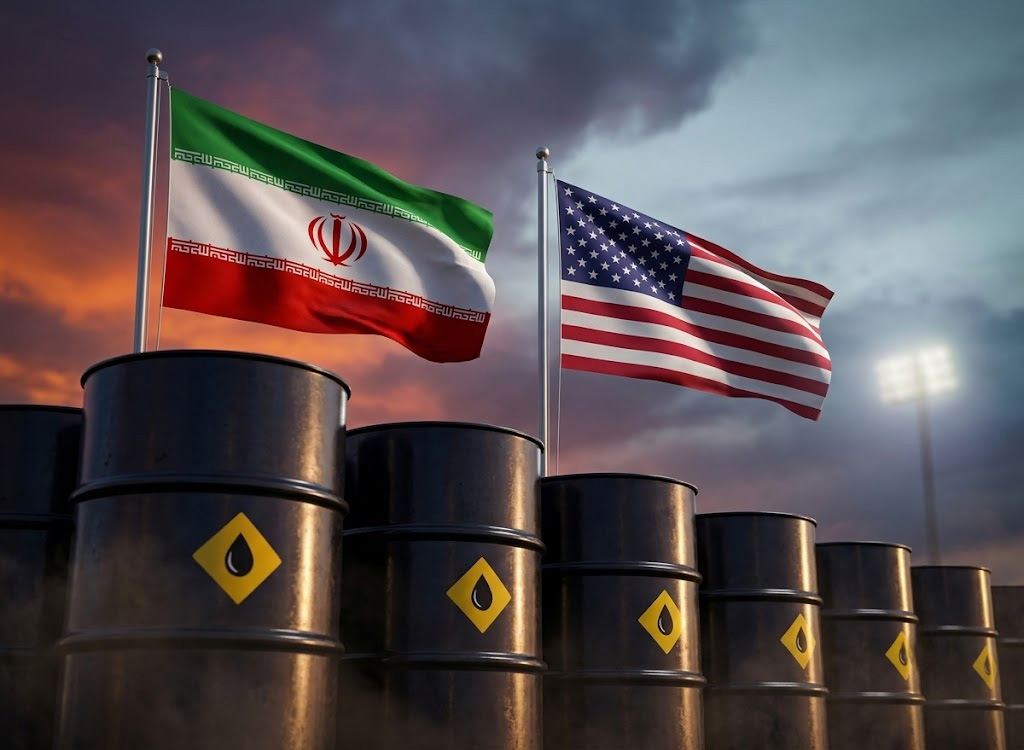
A fragile diplomatic opening between the United States (US) and Iran has provided a rare moment of optimism in a region battered by months of conflict, with the first round of high-level negotiations in Switzerland producing a framework for further talks and easing concerns about global energy supplies.
The discussions, held at the Swiss resort of Burgenstock and mediated by Pakistan and Qatar, brought together senior officials from both countries for the first substantive engagement since the outbreak of a conflict that has destabilised large parts of the Middle East and heightened fears of a broader regional war.
While no final agreement emerged from the talks, mediators announced that both sides had endorsed a 60-day roadmap toward a comprehensive settlement and agreed to continue technical negotiations in the coming weeks.
The outcome was welcomed by financial markets, with oil prices falling sharply as investors interpreted the talks as a sign that disruptions to global energy supplies may be avoided.
From battlefield to negotiating table
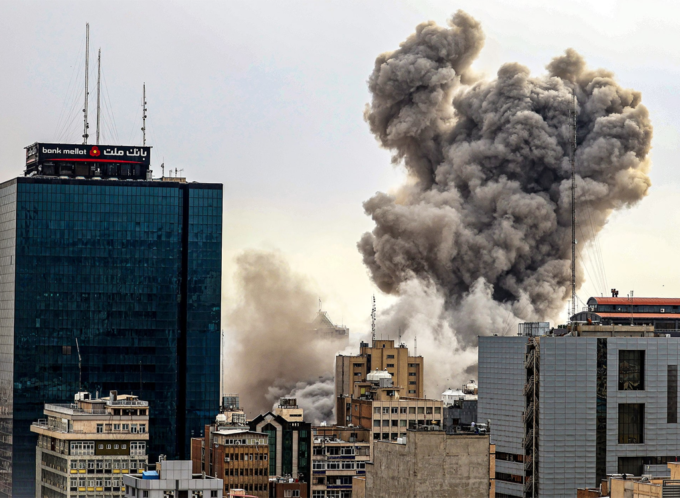
The negotiations mark a significant shift after more than 100 days of confrontation involving Iran, Israel, Hezbollah, and a range of regional actors.
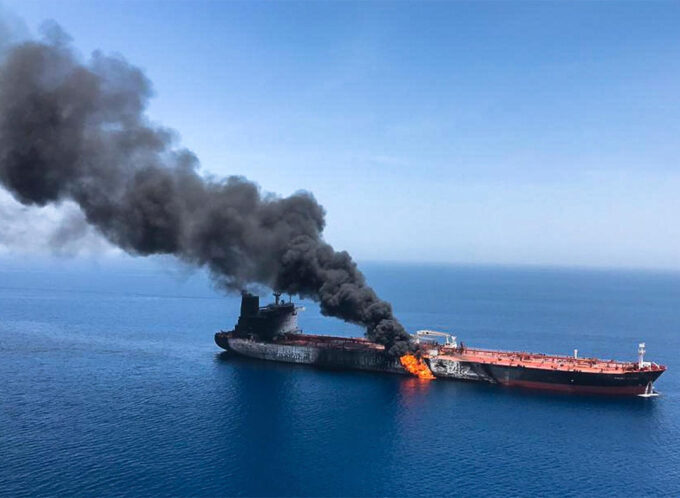
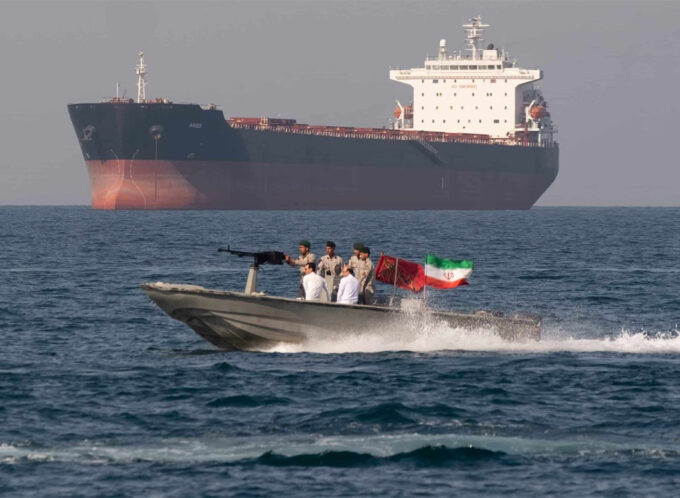
The conflict has repeatedly threatened to draw the Middle East into a wider war, particularly through tensions surrounding the Strait of Hormuz, one of the world’s most strategically important maritime chokepoints. Roughly a fifth of global oil consumption passes through the narrow waterway, making any disruption a major concern for international markets.
One of the most notable outcomes of the Swiss talks was an agreement to establish communication mechanisms aimed at keeping the strait open and preventing incidents at sea. Mediators also announced plans for a deconfliction mechanism focused on Lebanon, where fighting between Israel and Hezbollah has continued despite periodic ceasefires.
Diplomats involved in the process described the discussions as constructive, though significant differences remain unresolved.
Economic stakes extend beyond the region
The economic implications of the talks were felt almost immediately.
Global oil markets reacted positively to reports that Iran had secured waivers for some oil and petrochemical exports as part of the negotiating process. Brent crude prices fell more than two percent after the announcement, reversing gains that had been driven by fears of renewed conflict and supply disruptions.
Analysts say the prospect of additional Iranian crude reaching international markets could significantly ease supply concerns.
Iranian officials suggested that as much as 1.5 million barrels per day could eventually return to global markets if sanctions relief progresses, potentially helping to stabilise prices at a time when many economies continue to grapple with inflation and energy costs.
The prospect of increased exports has been further reinforced by reports that Gulf producers, including Iraq, Kuwait, and the United Arab Emirates (UAE), are preparing to increase production following weeks of uncertainty.
Obstacles remain
Despite the positive atmosphere surrounding the talks, negotiators face substantial challenges.
Tensions briefly resurfaced during the discussions after comments by US President Donald Trump warning of possible future military action against Iran over its support for Hezbollah reportedly prompted a temporary walkout by the Iranian delegation.
Although both sides returned to the negotiating table, the incident highlighted the fragility of the process and the deep mistrust that continues to shape relations between Washington and Tehran.
Meanwhile, violence on the ground has not fully subsided. Clashes in Lebanon continue despite ceasefire arrangements, and humanitarian concerns remain acute after months of fighting that have claimed thousands of lives and displaced large numbers of civilians.
Narrow window for peace
The next 60 days may prove decisive.
Technical working groups are expected to begin detailed negotiations on sanctions, energy exports, reconstruction assistance, regional security arrangements, and mechanisms to prevent future military escalation.
For the US and Iran, the challenge will be translating broad political commitments into concrete agreements. For regional governments, the talks offer an opportunity to prevent another cycle of conflict. And for global markets, the negotiations represent a chance to reduce one of the most significant geopolitical risks facing the world economy.
Whether the Swiss talks ultimately become the foundation of a lasting settlement or merely a pause in a volatile conflict remains uncertain. What is clear, however, is that diplomacy has regained a foothold in a crisis that until recently appeared to be moving steadily toward wider war.









Leave a comment