
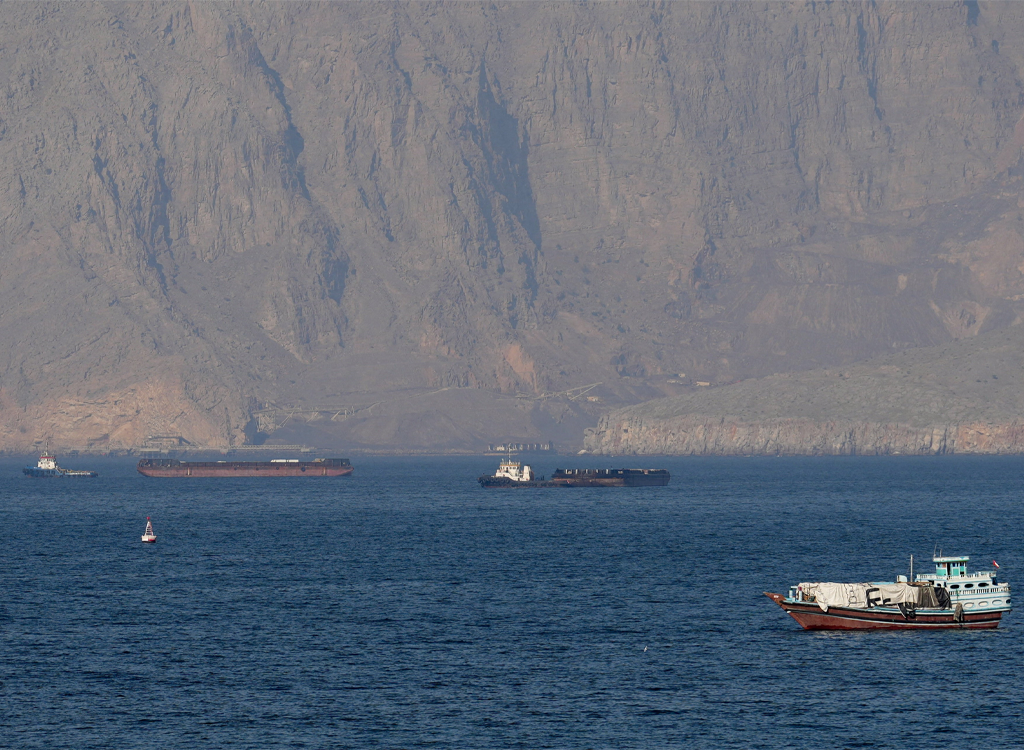
The ongoing closure of the Strait of Hormuz has triggered growing international concern, with the United Nations Office for Project Services warning that disruptions to global fertiliser supplies could lead to a humanitarian crisis of unprecedented scale.
The agency’s Executive Director, Jorge Moreira da Silva, cautioned that continued maritime instability in the region risks pushing millions of people into a worsening cycle of hunger and famine. He emphasized that the Strait of Hormuz remains a critical artery for global trade, particularly for energy and raw materials essential to fertiliser production.
According to the agency, the disruption has already driven fertiliser raw material prices to record highs, placing severe strain on agricultural systems worldwide. Developing countries, in particular, are expected to face the brunt of the impact, as rising costs and supply shortages threaten crop yields and food security.
Moreira da Silva called for urgent diplomatic efforts to stabilize supply chains and ensure the uninterrupted flow of essential goods. He warned that without swift international coordination, the cascading effects of the crisis could deepen existing vulnerabilities, particularly in regions already grappling with food insecurity.
The warning comes amid heightened geopolitical tensions affecting key maritime routes, underscoring the fragile interconnectedness of global supply systems and the far-reaching consequences of their disruption.










Leave a comment