
A fragile ceasefire between the United States (US) and Iran is facing new strain after Iran accused the US of breaking the agreement by continuing a blockade on its ports. The claim raises fresh doubts about whether the truce can be held as negotiations continue.
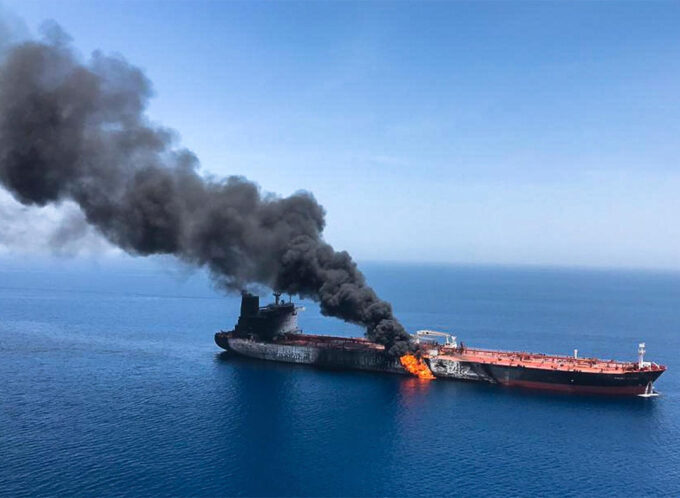
The situation worsened on Saturday near the strategic Strait of Hormuz. The UK Maritime Trade Operations (UKMTO) reported that a container ship was hit by an unknown projectile about 25 nautical miles (46 kilometers) northeast of Oman, damaging several containers.
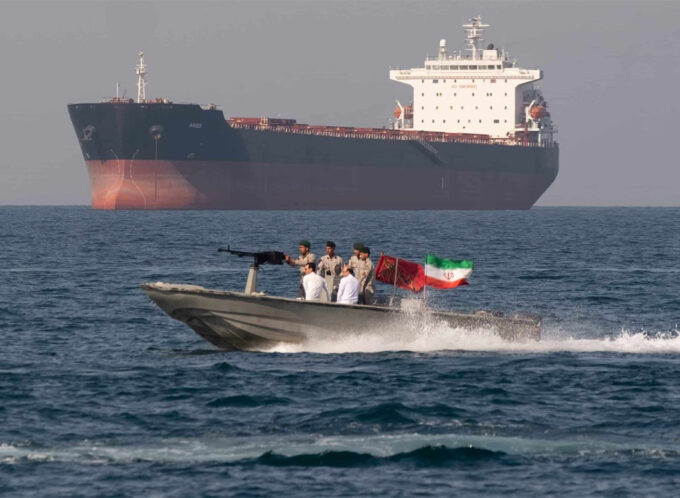
Earlier that day, UKMTO said two gunboats linked to Iran’s Revolutionary Guard opened fire on a tanker passing through the strait. Shortly after, a third incident was reported when the crew of a nearby cruise ship saw a splash close to their vessel. These incidents highlight rising risks to ships traveling through one of the world’s busiest oil routes.
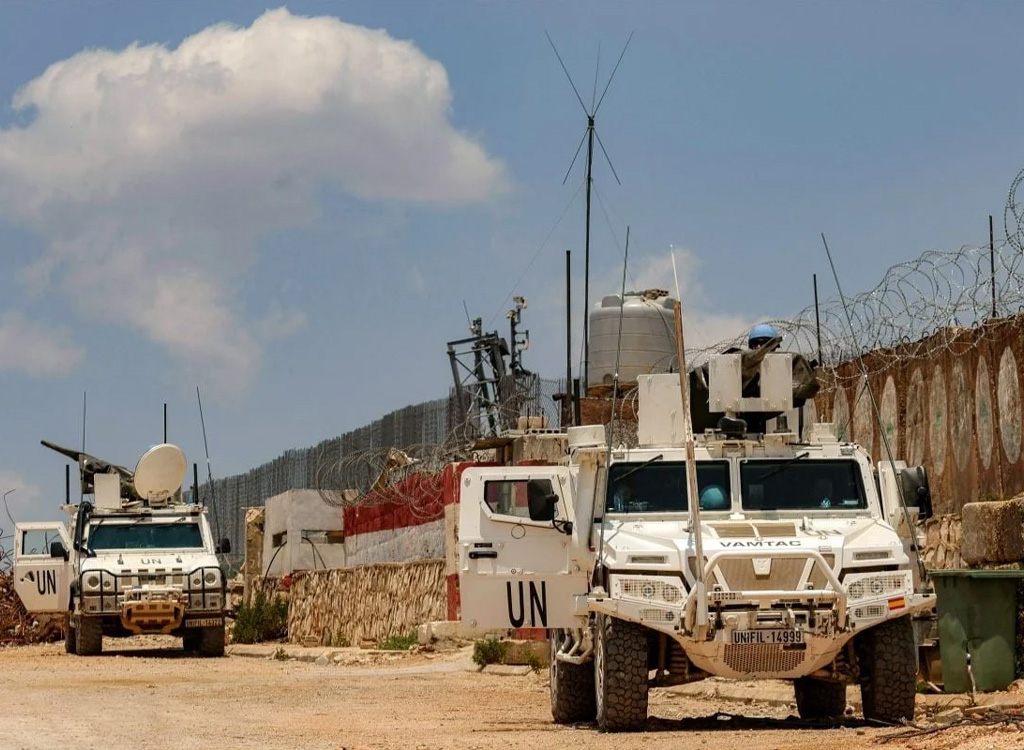
At the same time, violence has increased in Lebanon, where a separate ceasefire remains fragile. The United Nations Interim Force in Lebanon (UNIFIL) said its troops were attacked with small arms by what it described as “non-state actors” in southern Lebanon.
The attack happened in the village of Ghandouriyeh during a patrol to clear unexploded bombs. One peacekeeper was killed and three others were injured, two of them seriously. UNIFIL strongly condemned the attack, calling it deliberate and stressing the importance of their work in clearing explosives.
Emmanuel Macron confirmed that the peacekeeper who died was French and said the attack was likely carried out by Hezbollah. He called on Lebanese authorities to quickly arrest those responsible.
Lebanon’s leaders also condemned the attack. Joseph Aoun said those responsible would be brought to justice, while the Lebanese military said the incident happened during an exchange of fire with armed men.
These developments show how unstable the situation remains. With tensions rising at sea and violence continuing on land, the future of current ceasefire agreements is uncertain.









Leave a comment