
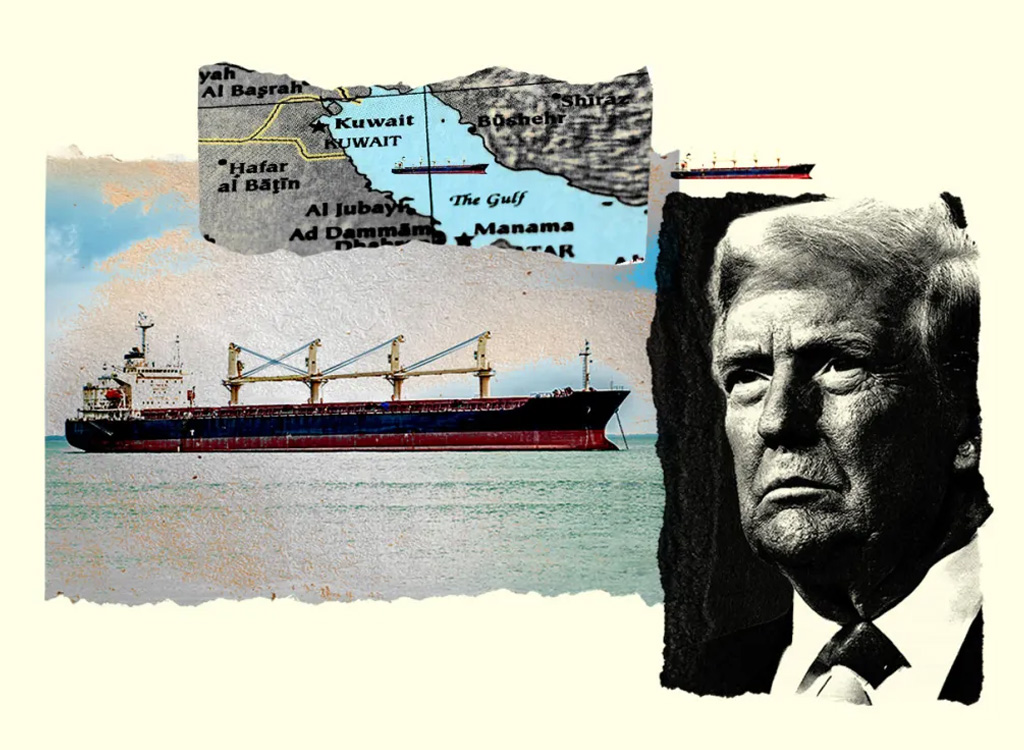
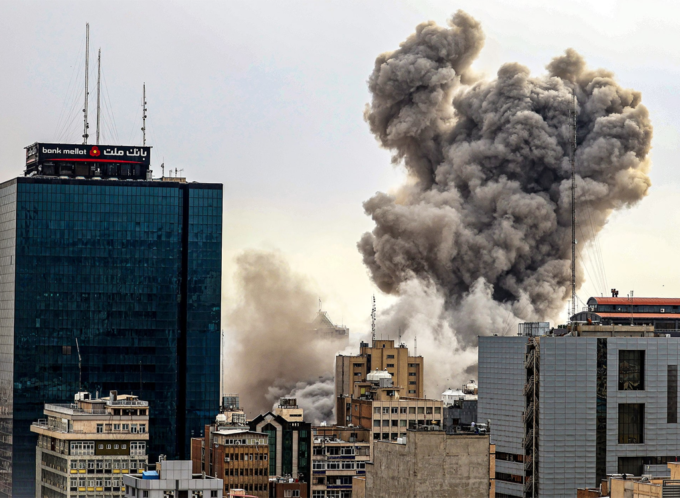
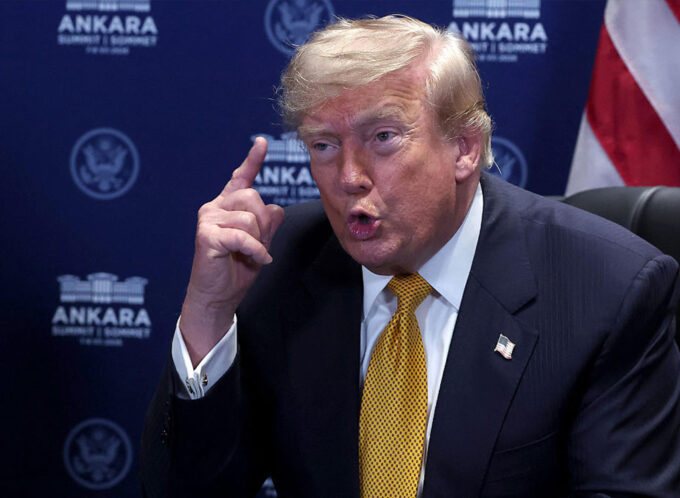
A sharp escalation in rhetoric between the United States and Iran has raised fresh concerns about stability in the Gulf, after Donald Trump warned that Washington could target Iranian infrastructure if Tehran refuses a proposed agreement.
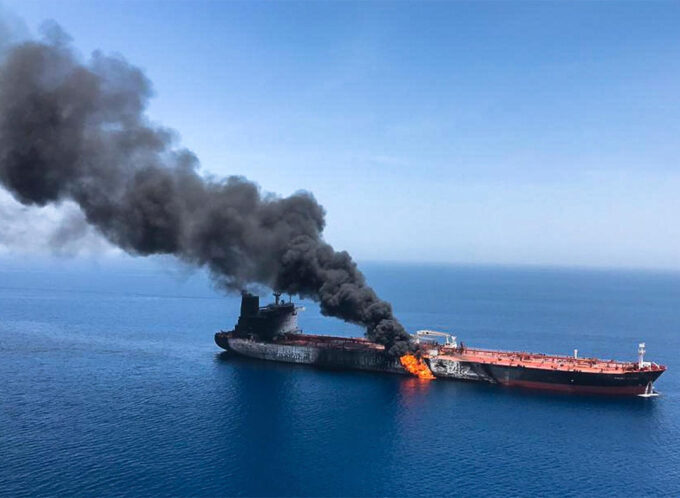
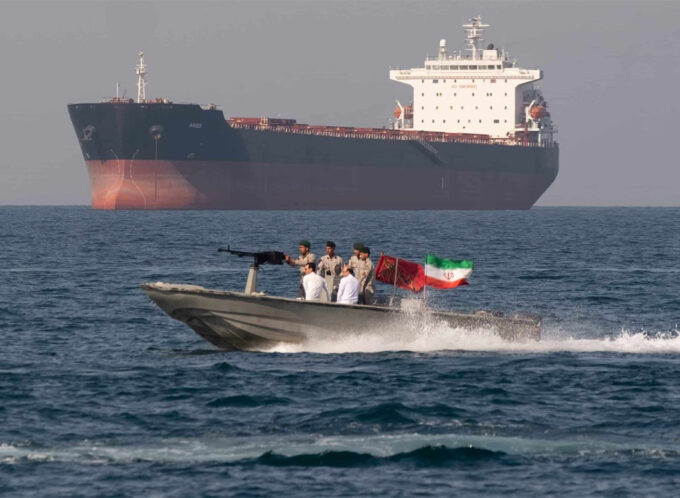
In a post on Truth Social, Trump accused Iran of violating a ceasefire by firing on vessels transiting the strategically vital Strait of Hormuz — including ships reportedly linked to France and the United Kingdom. The allegations have not been independently verified, and Iranian officials have yet to respond publicly.
Trump’s statement combined both diplomatic signaling and military threats. He indicated that US representatives may travel to Islamabad for negotiations, suggesting that backchannel talks could be underway even as tensions intensify. At the same time, he warned that failure to accept US terms would lead to strikes targeting Iran’s power plants and bridges.
The US president also dismissed the potential economic consequences of Iran’s reported consideration of closing the strait, arguing that such a move would primarily harm Iran itself. He estimated the country could lose hundreds of millions of dollars per day in revenue, while asserting that the United States would face minimal disruption.
The Strait of Hormuz remains one of the world’s most critical energy corridors, with a significant portion of global oil shipments passing through its narrow waters. Any disruption there could have far-reaching implications for international markets and regional security.
So far, there has been no official confirmation of the alleged maritime incident, and Iran has not issued an immediate statement addressing Trump’s claims. Analysts caution that the situation is highly fluid, with the potential for rapid escalation if diplomatic efforts fail.
Observers say the coming days will be crucial in determining whether the crisis moves toward negotiation or confrontation, as both sides balance strategic pressure with the risks of a broader conflict.








Leave a comment