
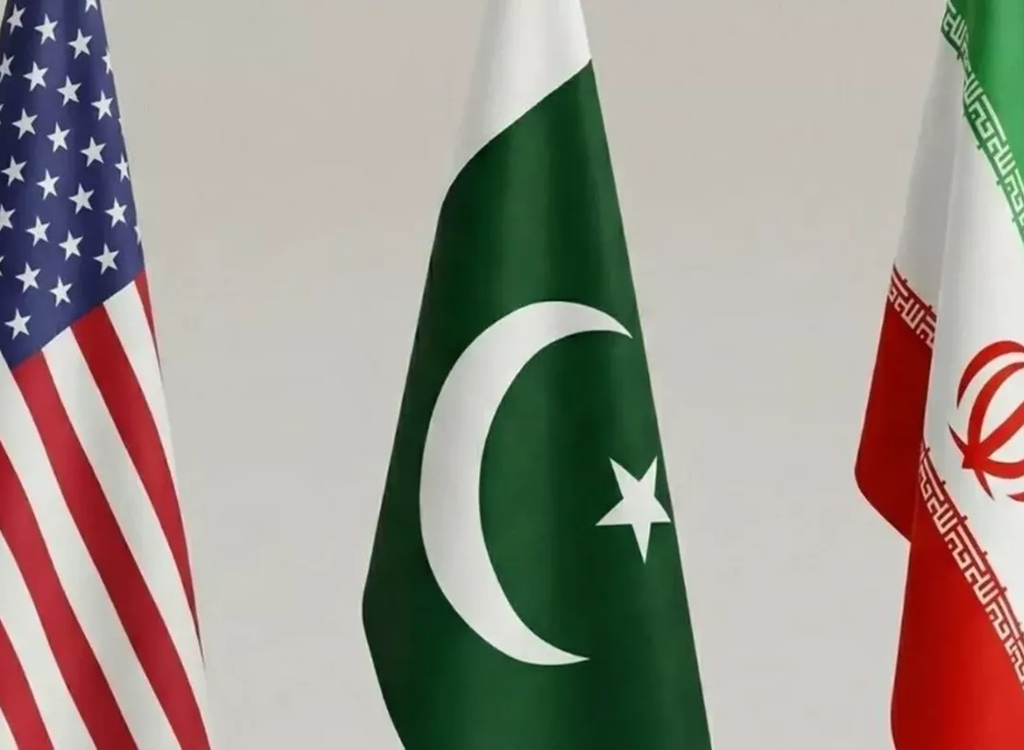
Iran’s Foreign Minister Abbas Araghchi made a brief return visit to Pakistan on Sunday before departing later that night for Moscow, where he is scheduled to meet Russian President Vladimir Putin on Monday.
According to Iran’s ISNA news agency, Tehran used Pakistani mediators to deliver written messages to the United States outlining key “red lines,” including concerns over nuclear issues and control of the Strait of Hormuz. The agency emphasized that these communications were not part of formal negotiations.
Iranian media reported that Araghchi’s second visit aimed to clarify Tehran’s position on a possible framework to fully end the ongoing conflict. During his earlier visit to Islamabad on Friday and Saturday, Araghchi held meetings with Pakistan’s army chief Asim Munir, Prime Minister Shehbaz Sharif, and Foreign Minister Ishaq Dar. Following those discussions, Iranian envoys returned to Tehran for consultations.
Araghchi described his initial trip as “very fruitful” but expressed doubts about Washington’s commitment to diplomacy, stating he had yet to see evidence that the US was serious about negotiations.
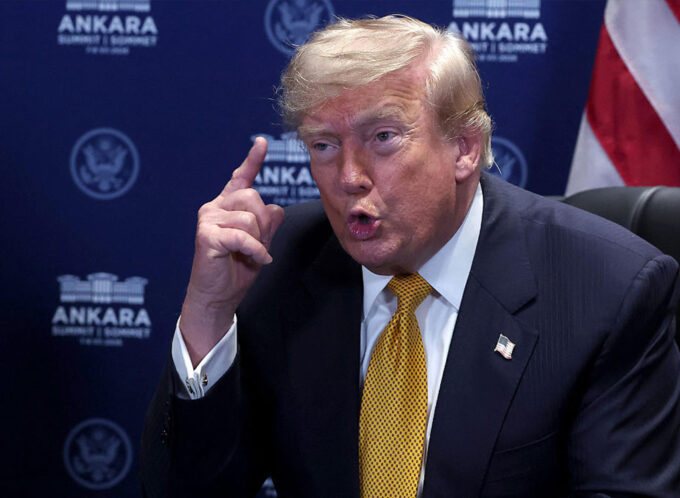
Meanwhile, US President Donald Trump cancelled a planned visit by American negotiators, including special envoy Steve Witkoff and adviser Jared Kushner, who were expected to travel to Pakistan for talks. Trump dismissed the need for discussions, saying there was no point “sitting around talking about nothing.”
He claimed that after cancelling the trip, the US quickly received a revised proposal from Iran that was “much better.” However, Iranian state media maintained that direct talks had never been planned.
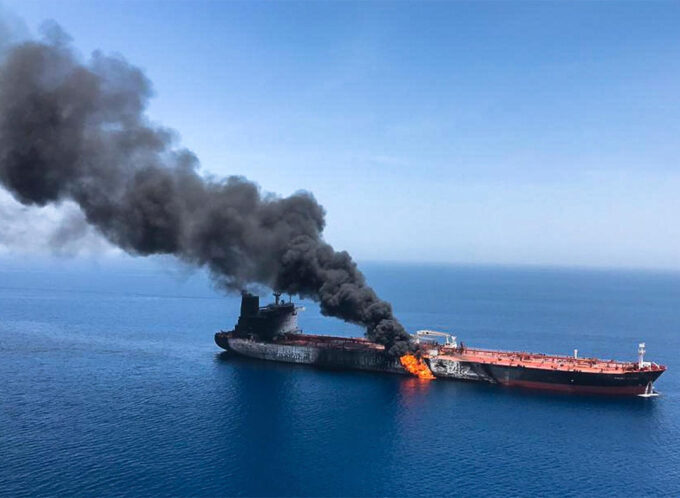
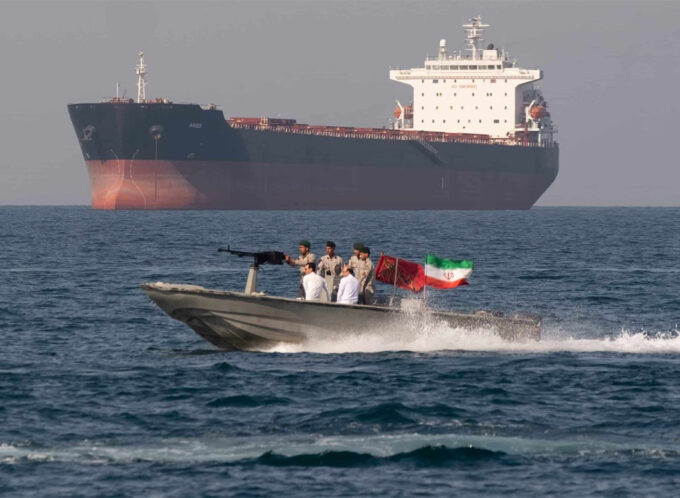
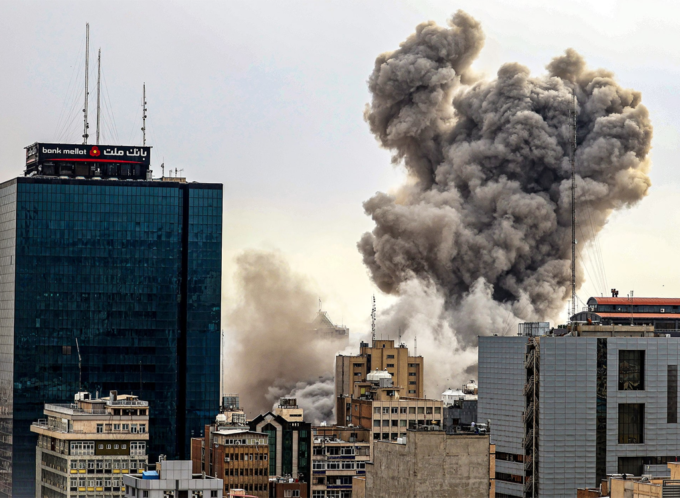
Tensions remain high as the Strait of Hormuz continues to be blocked, disrupting a critical global oil and gas route. Iran’s Revolutionary Guards reiterated that maintaining control over the waterway is a key strategic objective. In response, the United States has imposed a blockade on Iranian ports, prompting warnings from Tehran of retaliation against what it described as “blockading, banditry, and piracy.”








Leave a comment