
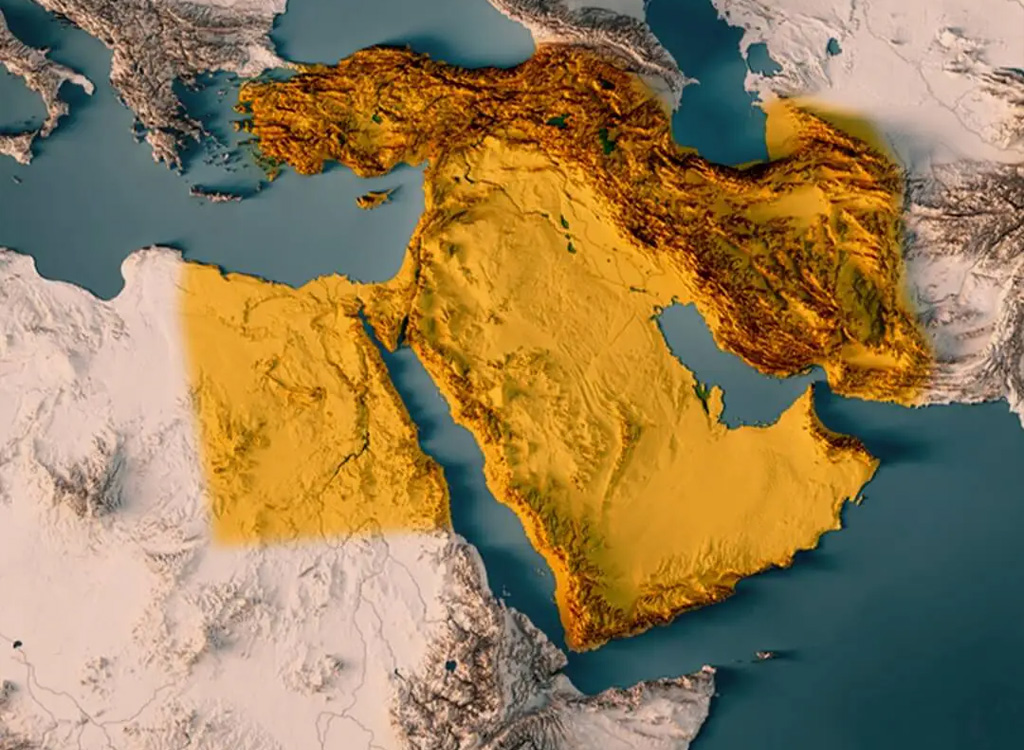
Asia and the Pacific are facing growing socio-economic challenges as the ripple effects of recent military escalation in the Middle East continue to impact economies and households across the region, according to a new assessment by the United Nations Development Programme (UNDP).
Rising pressures across the region
In its preliminary analysis, UNDP highlights that — even with a temporary ceasefire — ongoing volatility in energy, trade, and labour markets is eroding incomes, threatening jobs, and placing increasing strain on social protection systems.
The report warns that millions of people are at risk of falling into poverty, with the most vulnerable groups including women, low-income households, migrants, and small businesses.
Drawing on assessments from 36 countries, combined with macroeconomic simulations, the report provides both a regional outlook and insights into how individual nations are responding to these mounting pressures.
Energy costs driving economic strain
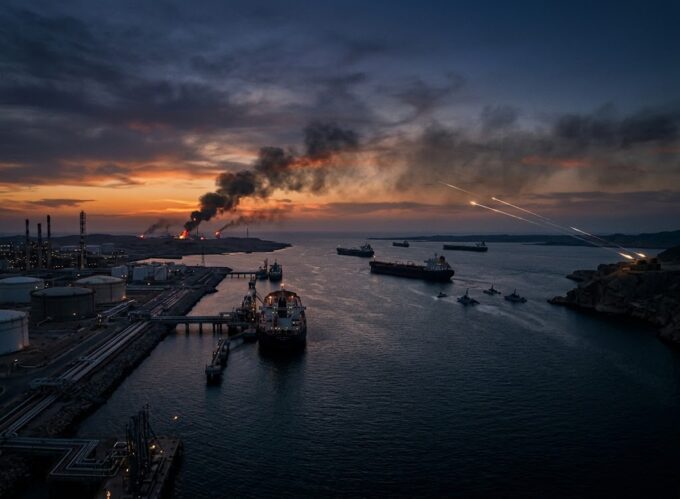
One of the most immediate concerns is the surge in fuel and freight costs. Over 80% of crude oil and liquefied natural gas (LNG) transported through the Strait of Hormuz is destined for Asian markets, making the region particularly sensitive to disruptions.
As a result, higher energy prices are rapidly feeding into increased costs for transport, electricity, food, and fertilizers — placing additional pressure on households and businesses alike.
Poverty risks and economic losses
The UNDP estimates that approximately 8.8 million people could fall into poverty due to these disruptions.
Economic output losses across the region are projected to range between $97 billion and $299 billion, equivalent to 0.3% to 0.8% of regional GDP.
The impact varies by country. In Iran, the decline in the Human Development Index (HDI) is estimated to reverse one to one-and-a-half years of progress. In other countries, development losses range from weeks to months but could worsen significantly if the crisis continues.
South Asia appears to be the most affected subregion due to its higher exposure to income and price shocks and more limited fiscal capacity. Meanwhile, East and Southeast Asia are experiencing comparatively smaller setbacks.
Govt responses and adaptation measures
Governments across Asia-Pacific have acted quickly to mitigate the impact. Measures include:
- Fuel price stabilization policies
- Targeted subsidies for vulnerable populations
- Transport restrictions to reduce fuel consumption
- Efforts to diversify energy sources and improve efficiency
Some countries have also launched nationwide energy-saving campaigns and introduced temporary changes to public-sector work arrangements to ease pressure on fuel demand and government budgets.
A test of resilience
According to Kanni Wignaraja, UN Assistant Secretary-General and UNDP Regional Director for Asia and the Pacific, the effects of the crisis are already being felt at the household level.
She emphasized that governments are facing difficult trade-offs between stabilizing prices, supporting vulnerable populations, and maintaining essential services.
At the same time, she pointed to opportunities for long-term resilience through:
- Strengthening social protection systems
- Building more robust regional value chains
- Diversifying energy and food systems
Looking ahead
The report underscores that the current situation is more than a routine economic challenge. Instead, it represents a broader test of how effectively countries can adapt to an increasingly volatile global environment while safeguarding human development gains.
As uncertainty persists, policymakers are being urged to move beyond short-term fixes and adopt forward-looking strategies to protect both economic stability and human security.










Leave a comment