
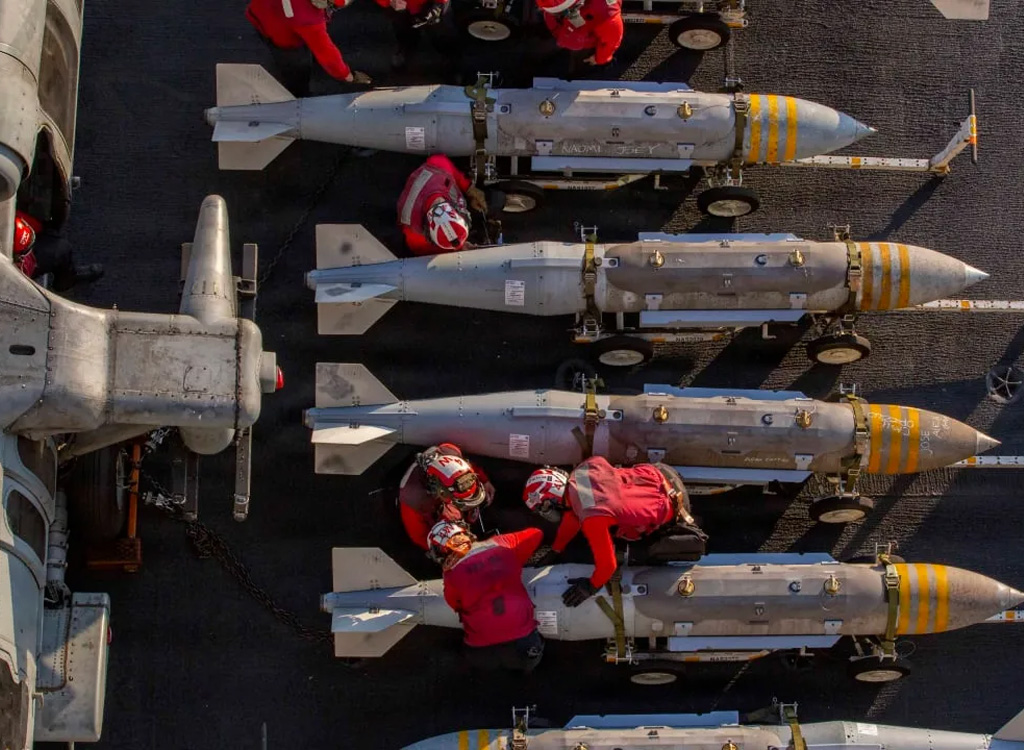
The United States (US) military has significantly depleted its stockpile of key missile systems during the recent conflict with Iran, raising concerns about its readiness for future high-intensity warfare, according to a report cited by CNN.
An analysis by the Center for Strategic and International Studies (CSIS) indicates that over seven weeks of fighting, the US used approximately 45% of its Precision Strike Missiles, at least half of its THAAD interceptors, and nearly 50% of its Patriot air defence systems. The report noted that these estimates closely align with classified assessments by the Pentagon.
Additional munitions usage included around 30% of Tomahawk missiles, more than 20% of long-range Joint Air-to-Surface Standoff Missiles, and roughly 20% of SM-3 and SM-6 missile systems. Despite recent contracts signed by the Pentagon to increase production, replenishing these inventories could take between three to five years.
In the short term, the report suggests the US retains sufficient munitions to continue operations if tensions with Iran escalate again. However, it warns that current stockpiles may be inadequate for a potential conflict with a near-peer adversary such as China.
Mark Cancian, a retired US Marine Corps colonel and one of the report’s authors, highlighted the strategic implications, noting that high munitions expenditure has created a temporary vulnerability, particularly in the western Pacific. He stated that rebuilding inventories could take one to four years, with additional time required to expand capacity to desired levels.
Responding to the report, Pentagon spokesman Sean Parnell said the US military remains fully prepared to carry out operations as directed. He added that under President Donald Trump, the military has maintained a strong and capable arsenal to safeguard national interests.









Leave a comment