
By The Pulseline News Desk
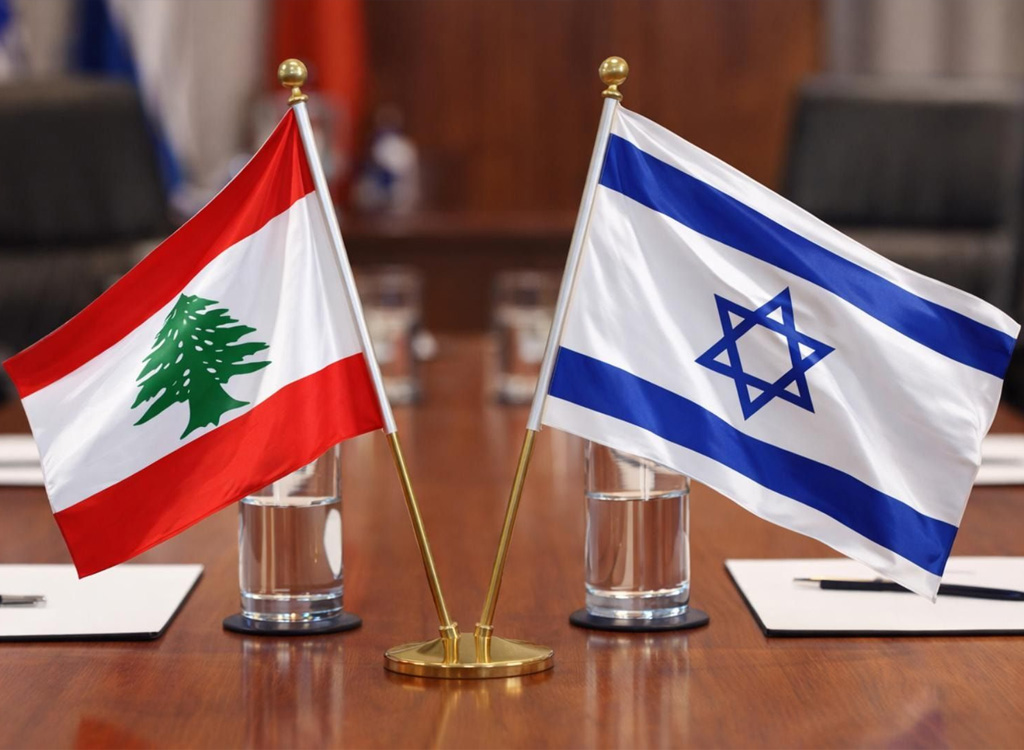
A temporary ceasefire between Israel and Lebanon has come into effect following diplomatic efforts led by Donald Trump, offering a brief pause in weeks of escalating violence along the northern Israeli border.
The 10-day truce, confirmed by Israeli Prime Minister Benjamin Netanyahu and Lebanese President Joseph Aoun, began on April 16–17, 2026. The agreement is intended to halt hostilities and create a narrow window for negotiations toward a broader and more lasting peace arrangement.
The ceasefire follows a period of intense cross-border conflict, largely driven by clashes between Israeli forces and the Iran-backed militant group Hezbollah. The fighting included sustained airstrikes, rocket fire, and artillery exchanges, leading to significant casualties and widespread displacement, particularly in southern Lebanon.
According to officials, the United States played a central mediating role, with plans to bring both Israeli and Lebanese leadership into further talks. The goal is to use the 10-day pause as a foundation for a longer-term de-escalation agreement that addresses security concerns on both sides.
However, uncertainty surrounds the durability of the ceasefire. Hezbollah was not directly involved in the negotiations, raising questions about whether all armed actors will adhere to the truce. In addition, Israel is expected to maintain a limited security presence in parts of southern Lebanon, a point that could complicate ongoing discussions.
Regional tensions also remain high due to the broader involvement of Iran and its allied groups, making the situation highly volatile despite the temporary halt in fighting.
Diplomatic sources suggest the ceasefire could be extended if both sides demonstrate compliance and meaningful progress is made in negotiations. For now, the agreement provides a short but critical opportunity to reduce violence and explore a path toward stability.
While the ceasefire marks a significant diplomatic development, analysts caution that it remains fragile, with the risk of renewed conflict still looming if underlying disputes are not resolved.









Leave a comment