
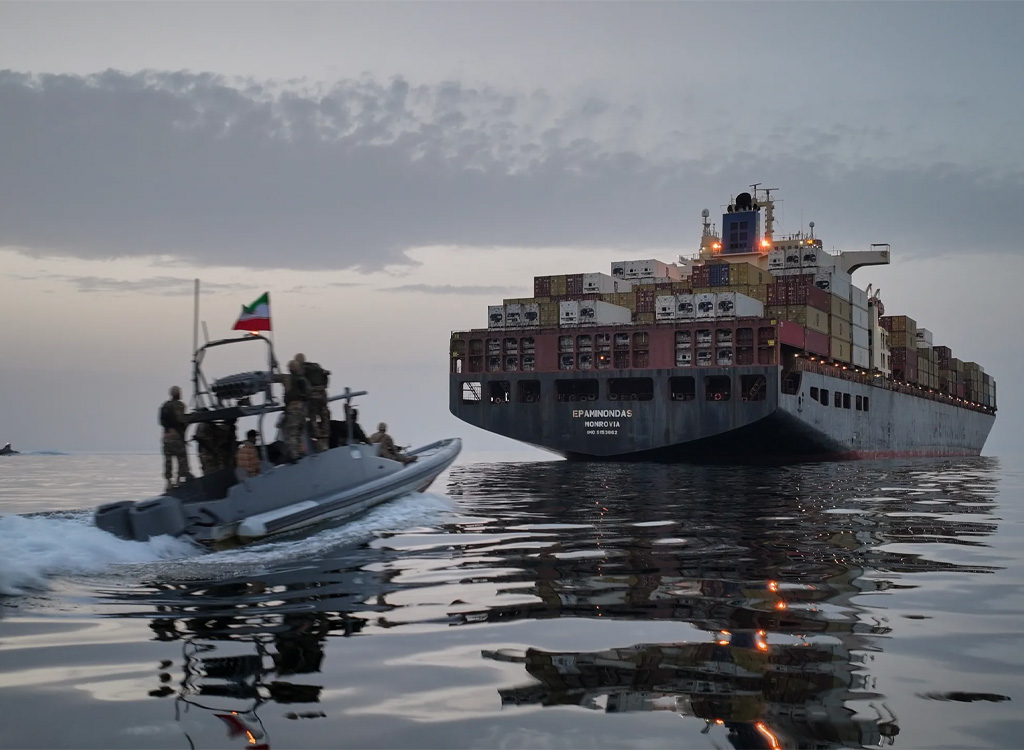
The administration of U.S. President Donald Trump is seeking to rally international partners into a new maritime coalition aimed at restoring freedom of navigation in the strategically vital Strait of Hormuz, according to a U.S. State Department cable reported by Reuters.
The proposed initiative, known as the Maritime Freedom Construct (MFC), was approved by Marco Rubio and is described as a joint effort between the State Department and the Pentagon. The framework is intended to lay the groundwork for a post-conflict maritime security system in the Middle East, with a focus on safeguarding energy flows and protecting key shipping routes.
A strategic chokepoint under strain
The Strait of Hormuz, a narrow passage linking the Persian Gulf to global markets, has long been one of the world’s most critical maritime transit corridors. Historically, it has carried roughly one-fifth of global oil and gas supplies. However, traffic has sharply declined following a dramatic escalation in regional tensions.
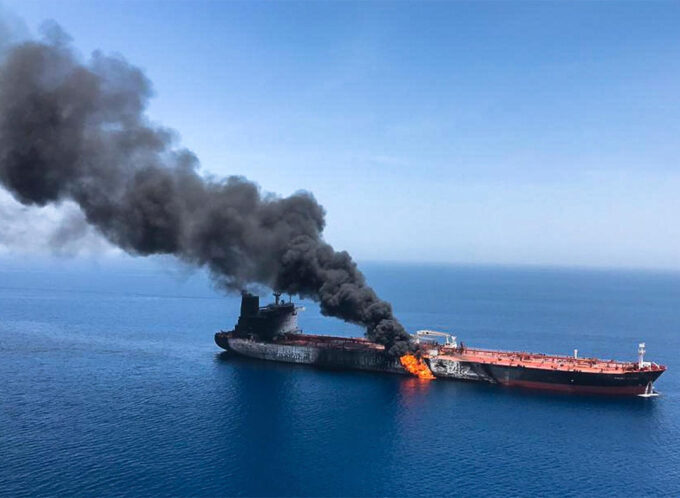
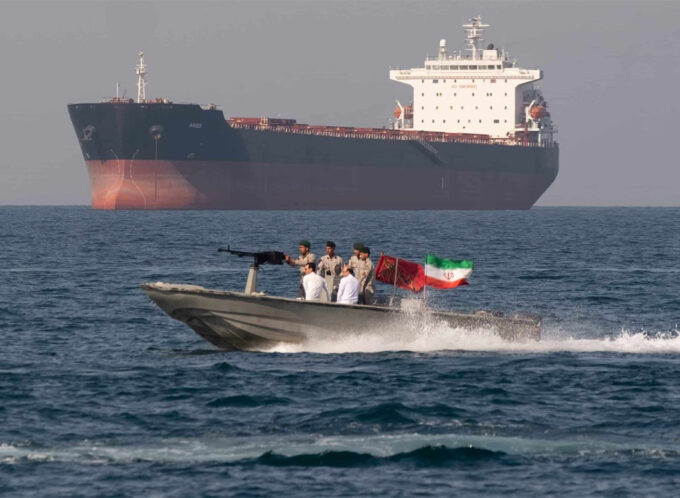
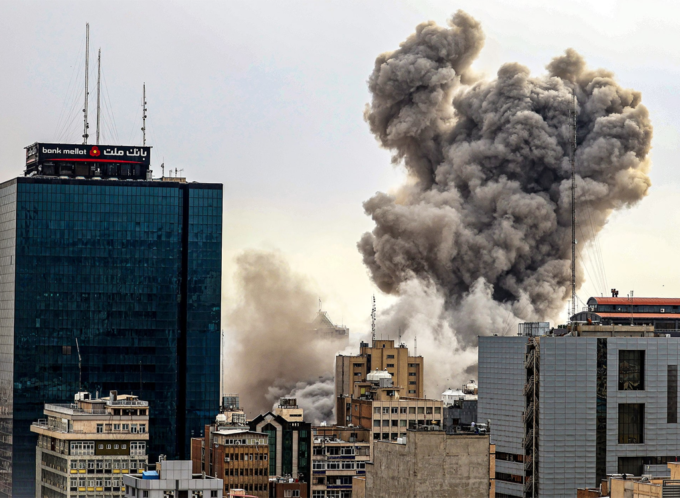
The downturn came after U.S. and Israeli strikes on Iran on February 28, which were followed by Tehran’s blockade of the strait. The standoff has disrupted global shipping and heightened fears over energy security, pushing oil markets into renewed volatility.
Structure of the coalition
According to the cable, the MFC would operate on two fronts. The diplomatic arm, led by the State Department, would coordinate engagement with partner governments and the international shipping industry. Meanwhile, the operational component run through U.S. Central Command (CENTCOM) would oversee real-time maritime coordination, including direct communication with vessels transiting the strait.
Participation in the coalition is expected to be flexible. Countries may contribute through diplomacy, intelligence sharing, sanctions enforcement, or naval deployments, depending on their capacity and political alignment. The U.S. has emphasized that partners would not be required to divert resources from existing maritime commitments.
Notably, the outreach excludes key U.S. rivals, including Russia, China, Belarus, and Cuba, underscoring the geopolitical lines shaping the initiative.
Beyond “maximum pressure”
Officials stress that the MFC is separate from Washington’s broader strategy toward Iran, including its “maximum pressure” campaign and ongoing diplomatic efforts. However, the initiative emerges alongside intensified U.S. actions aimed at curbing Iranian oil exports, including reported naval measures targeting Iranian ports.
This dual-track approach, combining military coordination with economic pressure, reflects Washington’s attempt to regain leverage in a conflict that has reached a stalemate.
Global implications
The proposal comes at a time of mounting concern over the fragility of global energy supply chains. Any prolonged disruption in the Strait of Hormuz could have far-reaching consequences, particularly for energy-importing nations in Asia and Europe.
Analysts say the success of the MFC will depend heavily on the willingness of allies to participate in what could become a politically sensitive and potentially risky security arrangement.
Uncertain path ahead
While the U.S. has set an early May deadline for initial diplomatic outreach, questions remain over how quickly such a coalition could be assembled and whether it can effectively counter the current blockade without further escalating tensions.
As negotiations over the broader conflict remain deadlocked, the MFC signals a shift toward a more structured, multinational response to one of the world’s most volatile geopolitical flashpoints.









Leave a comment