
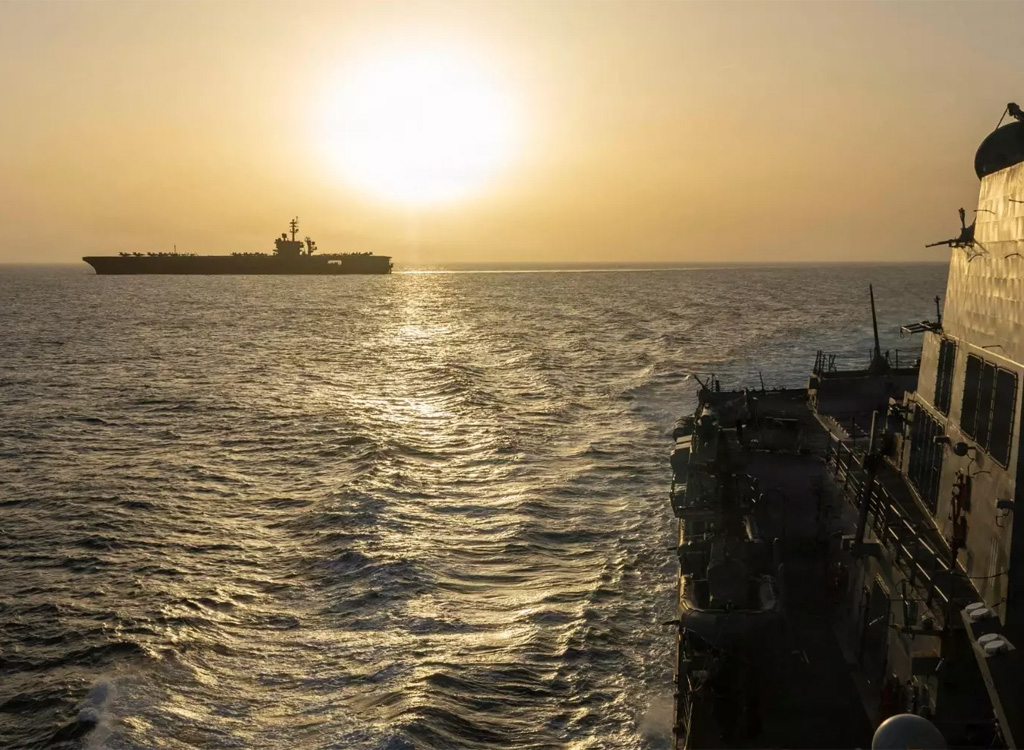
A temporary ceasefire between the United States (US) and Iran is approaching its expiration with no agreement yet reached, raising concerns of a renewed escalation in hostilities.
The truce, which was intended to create space for diplomatic negotiations, has so far failed to produce a breakthrough. Officials on both sides remain divided on key issues, and there has been little visible progress toward extending the ceasefire or establishing a more durable framework for de-escalation.
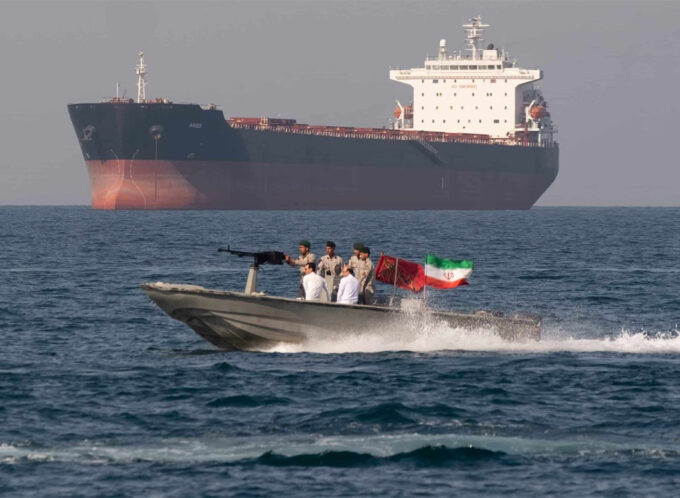
Tensions intensified further following the seizure of an Iranian-flagged vessel by US forces in the strategic Strait of Hormuz. According to US authorities, the ship was intercepted after it allegedly attempted to breach restrictions imposed as part of Washington’s broader security measures in the region. The vessel was subsequently boarded and taken into custody.
Iran has strongly condemned the move, describing it as a violation of international norms and of the spirit of the ceasefire. Iranian officials have warned that the action could undermine ongoing diplomatic efforts and have indicated that retaliation remains a possibility.
The incident has cast a shadow over already fragile negotiations. Tehran has expressed uncertainty about participating in further rounds of talks, while Washington has maintained that its actions were justified under its enforcement policies. The lack of trust between the two sides continues to complicate efforts to reach common ground.
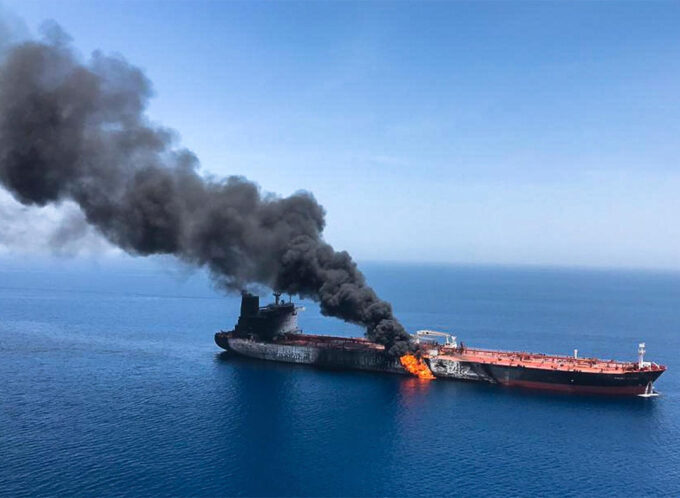
The situation is being closely watched by the international community, particularly given the strategic importance of the Strait of Hormuz, a key route for global oil shipments. Any disruption in the area has the potential to impact energy markets and broader regional stability.
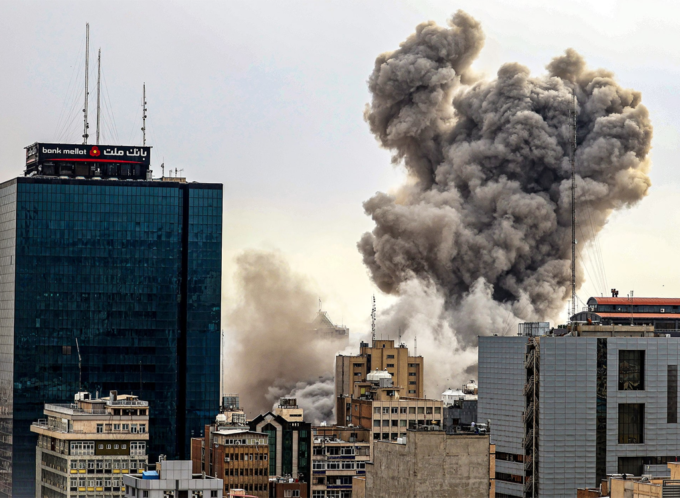
With the ceasefire deadline fast approaching and positions hardening, the seizure of the vessel has added a new layer of tension to an already volatile situation. Unless diplomatic momentum is regained in the coming days, the risk of a return to open confrontation remains high.










Leave a comment