

The United States (US) Senate has advanced a resolution aimed at limiting President Donald Trump’s authority to conduct military action against Iran without congressional approval, in what observers describe as a rare bipartisan challenge to presidential war powers.
The procedural vote passed 50-47, with four Republican senators joining Democrats in supporting the measure. The resolution, introduced by Senator Tim Kaine, seeks to reaffirm Congress’s constitutional role in authorising military conflict.
The move comes amid growing concern in Washington DC over escalating tensions between the US and Iran and the expanding scope of American military involvement in the Middle East.
Under the 1973 War Powers Act, US presidents are required to seek congressional authorization for sustained military operations after 60 days unless Congress grants an extension. Supporters of the resolution argue that the administration has exceeded those limits during recent operations linked to Iran.
Although the vote does not immediately restrict military action, it represents a significant political setback for the Trump administration, which has defended its actions as lawful under presidential commander-in-chief powers.
Several Republican senators broke ranks to support the measure, including Susan Collins, Lisa Murkowski, Rand Paul, and Bill Cassidy.
Democratic lawmakers said the resolution is intended to restore congressional oversight on matters of war and prevent unilateral military escalation.
Senate Minority Leader Chuck Schumer argued that decisions involving war and military engagement should not rest solely with the executive branch.
The White House, however, maintains that current operations fall within the President’s constitutional authority and insists that immediate military decisions are necessary to protect US interests and regional security.
Political analysts note that while the resolution may face difficulty in the Republican-controlled House of Representatives and could ultimately be vetoed by President Trump, the Senate vote itself signals growing divisions within the Republican Party over foreign policy and military intervention.
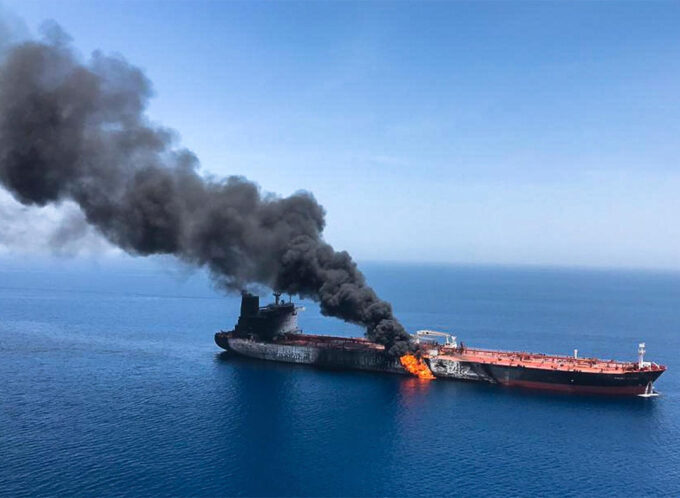
The debate has also intensified amid concerns over the broader economic and geopolitical impact of conflict with Iran, including rising global oil prices and instability across the Middle East.
For now, the resolution remains largely symbolic. Yet it has revived a long-standing constitutional debate in the US over the balance of power between Congress and the presidency when it comes to decisions of war and peace.











Leave a comment