
By The Pulseline News Desk
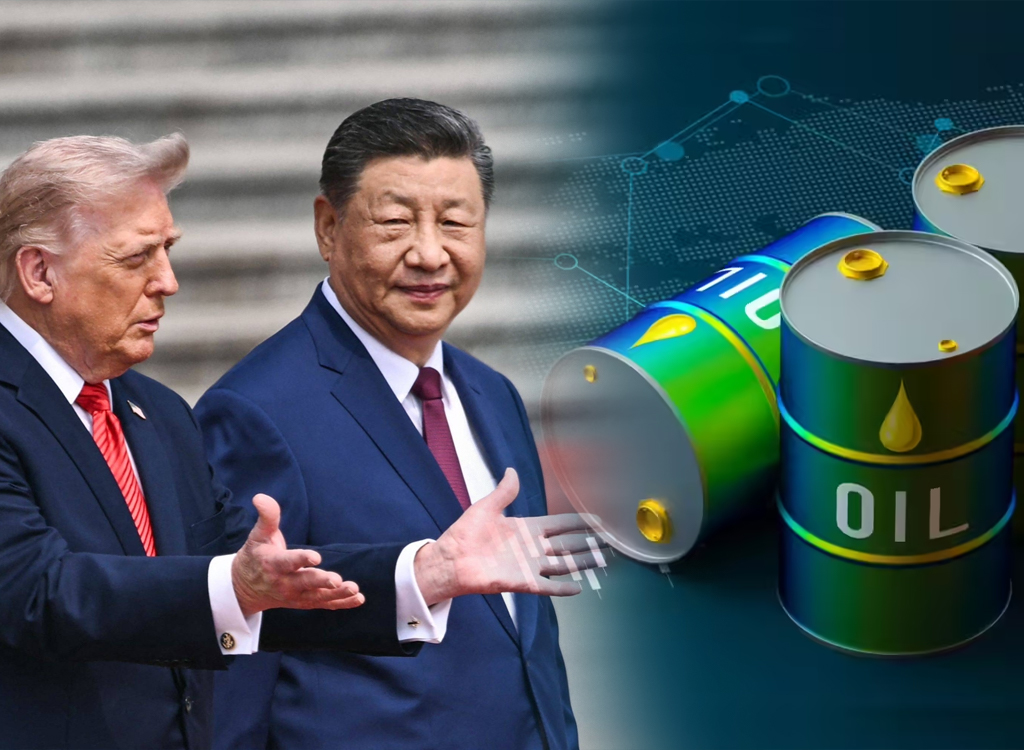
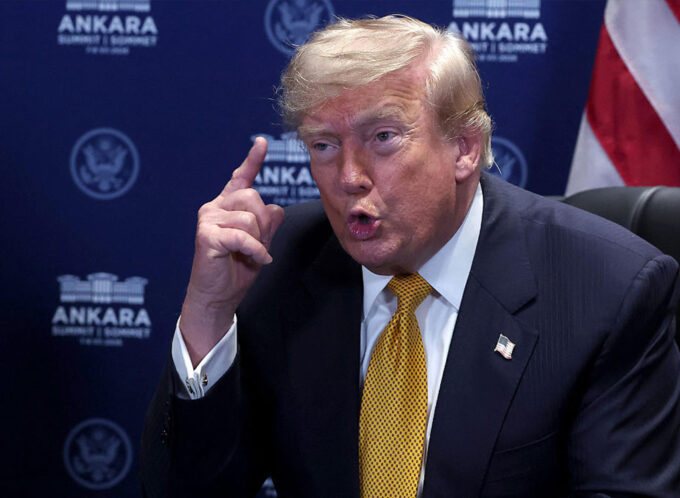
Global oil prices surged Friday after U.S. President Donald Trump said Chinese President Xi Jinping agreed that Iran must never be allowed to obtain nuclear weapons, injecting fresh geopolitical tension into already fragile energy markets.
Brent crude climbed close to 2% to trade above $107 a barrel, while U.S. West Texas Intermediate crude moved past $103, as traders reacted to the prospect of deeper international pressure on Tehran and renewed uncertainty surrounding Middle East oil supplies.
Trump made the remarks following talks in Beijing, describing what he called a “strong understanding” with Xi on Iran and regional security. He also reiterated calls for the reopening and protection of the Strait of Hormuz, the vital shipping corridor through which roughly one-fifth of global oil supplies pass.
The comments immediately reverberated through commodity markets, where fears of disruption in Gulf shipping routes have kept traders on edge for weeks.
Energy analysts said the market’s response reflected concerns that any escalation involving Iran could tighten global supply at a time when inventories are already strained.
“The oil market is extremely sensitive to geopolitical headlines right now,” said a Singapore-based commodities strategist. “When the U.S. and China appear aligned on Iran, traders start calculating the possibility of stronger enforcement measures, sanctions pressure, or instability around shipping routes.”
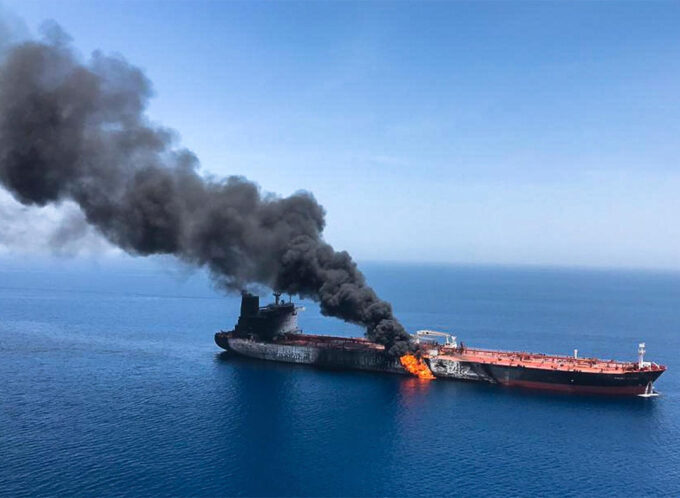
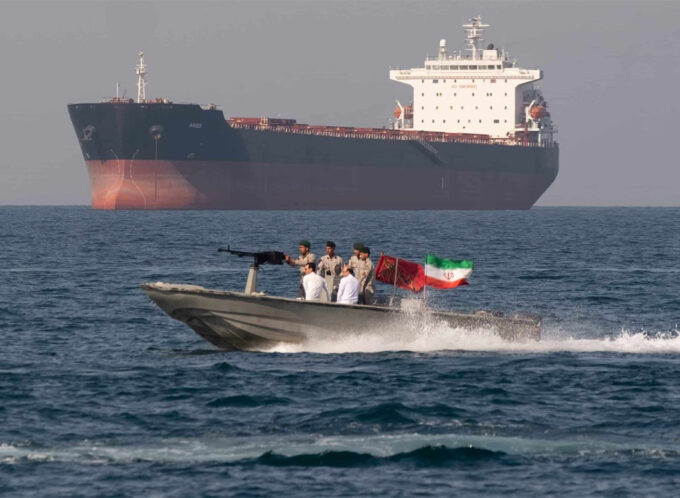
The Strait of Hormuz has become a focal point for global markets amid repeated incidents involving commercial tankers and rising military activity in the region. Although Iranian officials have insisted that maritime traffic continues to move through the waterway, shipping insurers and freight operators remain cautious.
China’s role has drawn particular attention because Beijing remains one of the largest buyers of Iranian crude. Any indication that China may support a tougher stance on Tehran could alter expectations for future oil exports and sanctions enforcement.
Despite Trump’s assertions, Chinese officials adopted a more measured tone, emphasising dialogue and regional stability rather than direct confrontation with Iran. Beijing has consistently sought to balance its strategic relationship with Tehran against its broader interest in stable energy supplies and global trade flows.
Still, even the appearance of coordination between Washington DC and Beijing was enough to push crude prices sharply higher.
Financial markets are now closely watching for signs of further diplomatic or military developments, including potential sanctions measures, naval security operations in the Gulf, or renewed negotiations over Iran’s nuclear program.
The rise in oil prices is also reviving concerns about inflation across major economies. Higher crude costs could feed into transportation and energy expenses globally, complicating efforts by central banks to stabilize prices and support slowing economic growth.
For consumers, the effects may soon be visible at fuel pumps if crude continues its upward climb.
(With input from news agencies)









Leave a comment