
By The Pulseline News Desk
Sri Lanka’s financial authorities are preparing to strengthen oversight mechanisms and tighten internal safeguards following a reported USD 2.5 million fraud case that has raised concerns about vulnerabilities within the country’s financial administration system.
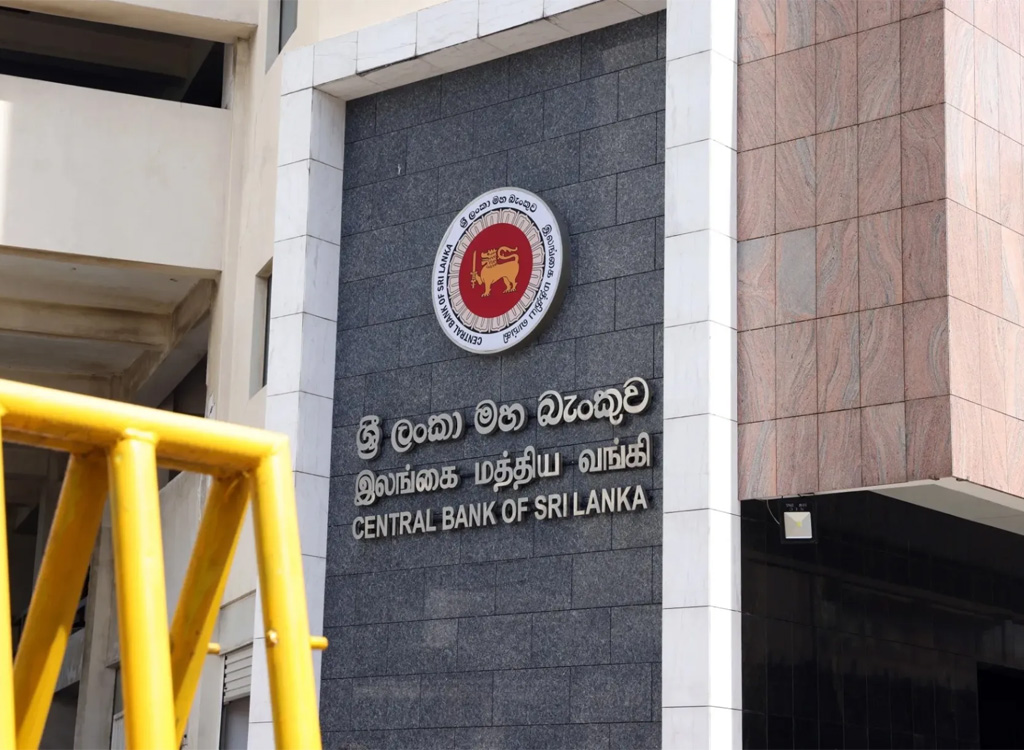
Officials from the Central Bank of Sri Lanka (CBSL) and the Ministry of Finance are now reviewing procedures linked to foreign exchange transactions, internal approvals, and institutional monitoring after the alleged fraud exposed gaps in financial controls.
The case has sparked renewed debate about governance standards within state institutions at a time when Sri Lanka is attempting to rebuild international confidence after its economic collapse and sovereign debt crisis.
Pressure to restore credibility
While details of the alleged fraud remain under investigation, the scale of the reported loss has alarmed policymakers and financial analysts alike. Authorities are particularly concerned about the reputational damage such incidents can inflict on a country still recovering from one of the worst economic crises in its history.
Sri Lanka’s recovery strategy has depended heavily on restoring trust among international lenders, investors, and multilateral institutions. In that context, even isolated financial irregularities can carry consequences far beyond the immediate monetary loss.
Financial sector observers say the timing is especially sensitive. The country has spent the past two years implementing reforms aimed at improving transparency, strengthening fiscal discipline, and modernizing financial governance structures under broader economic stabilisation efforts.
A major fraud allegation risks undermining those gains unless authorities respond swiftly and decisively.
Focus on internal controls
Officials familiar with the discussions say the response is expected to include tighter verification procedures, stronger audit trails, and more rigorous authorization systems for high-value transactions.
Attention is also likely to focus on digital monitoring tools capable of detecting suspicious activity earlier in the transaction process. Banking and compliance experts argue that many modern financial frauds exploit procedural weaknesses rather than purely technological failures.
The incident has also revived longstanding concerns about institutional fragmentation between regulatory agencies, state entities, and financial oversight bodies.
Analysts note that effective fraud prevention often depends less on individual regulations and more on coordination between institutions responsible for supervision, compliance, and enforcement.
A test for economic reform
The government now faces the challenge of demonstrating that accountability mechanisms are functioning effectively. Investigations into financial misconduct in Sri Lanka have historically drawn criticism for delays, weak prosecutions, or limited transparency.
For the administration, the case presents both a risk and an opportunity: a risk if confidence erodes further, but an opportunity if authorities can show that stronger governance reforms are genuinely being enforced.
The CBSL, in particular, has sought to position itself as a more independent and technically driven institution following reforms introduced after the crisis years. Maintaining credibility is viewed as essential for preserving monetary stability and investor confidence.
Wider implications
Economists warn that financial fraud cases can have broader implications beyond the immediate losses involved. Weak governance perceptions can affect borrowing costs, foreign investment sentiment, and the willingness of international partners to extend support.
Sri Lanka’s banking and financial system has so far avoided the kind of systemic instability seen during the height of the economic crisis. However, experts caution that repeated governance failures could gradually weaken institutional trust if left unaddressed.
For ordinary Sri Lankans, still dealing with high living costs and economic uncertainty, revelations of large-scale financial misconduct can also deepen public frustration over accountability and state management.













Leave a comment