
By The Pulseline News Desk
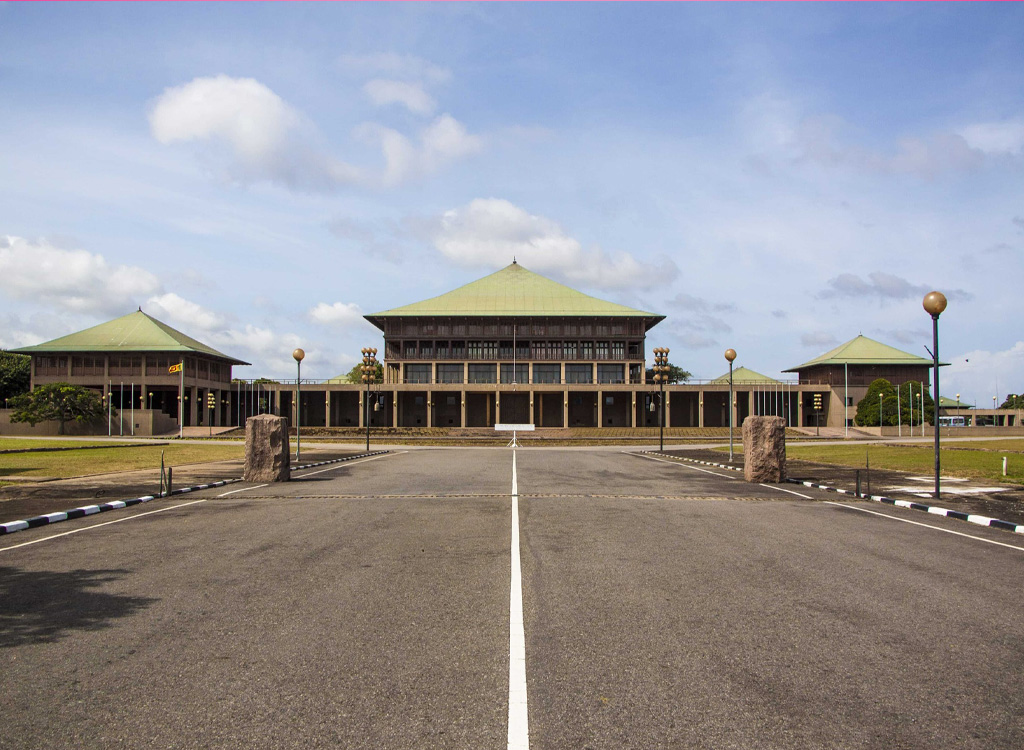
The Committee on Public Enterprises (COPE) is expected to present to Parliament next month its long-awaited report on investigations into controversial coal procurement transactions linked to Sri Lanka’s energy sector, according to COPE Chairman Nishantha Samaraweera.
The inquiry focused on allegations surrounding coal purchases for the Lakvijaya Coal Power Plant in Norochcholai, the country’s sole coal-fired electricity generation facility, which has frequently come under scrutiny over procurement irregularities, supply disputes, and concerns about transparency in tender procedures.
Speaking about the investigation, Samaraweera has said the committee had summoned several parties before COPE, including administrative officials attached to the coal company and representatives connected to the operations of the Lakvijaya plant. The committee had examined procurement procedures, contractual arrangements, and financial dealings connected to coal imports.
The investigation had also relied heavily on several audit reports issued in relation to the transactions. These reports, according to COPE, had highlighted a number of questionable practices and procedural concerns that warranted closer parliamentary examination.
The country’s coal procurement process has remained a contentious issue for years, particularly amid recurring power crises, foreign exchange shortages, and rising electricity generation costs. In previous years, disputes over tenders and emergency purchases had drawn criticism from opposition lawmakers, trade unions, and energy sector analysts, who warned that weaknesses in procurement oversight could result in substantial financial losses to the state.
The Lakvijaya Power Plant plays a critical role in supplying electricity to the national grid. However, operational breakdowns and procurement controversies have repeatedly placed the plant at the center of national debate over energy security and public accountability.
Samaraweera has further stated that sections of the investigation had identified as requiring deeper criminal or corruption-related inquiries have already been referred to the Criminal Investigation Department (CID) and the Commission to Investigate Allegations of Bribery or Corruption (CIABOC).
The forthcoming COPE report is expected to shed further light on the handling of coal procurement deals and could potentially influence future reforms in state procurement procedures and oversight mechanisms within Sri Lanka’s power sector.
Political observers note that the findings may carry broader implications for governance and accountability, especially at a time when public scrutiny over the management of state resources remains high amid the country’s ongoing economic recovery efforts.










Leave a comment