
By The Pulseline News Desk
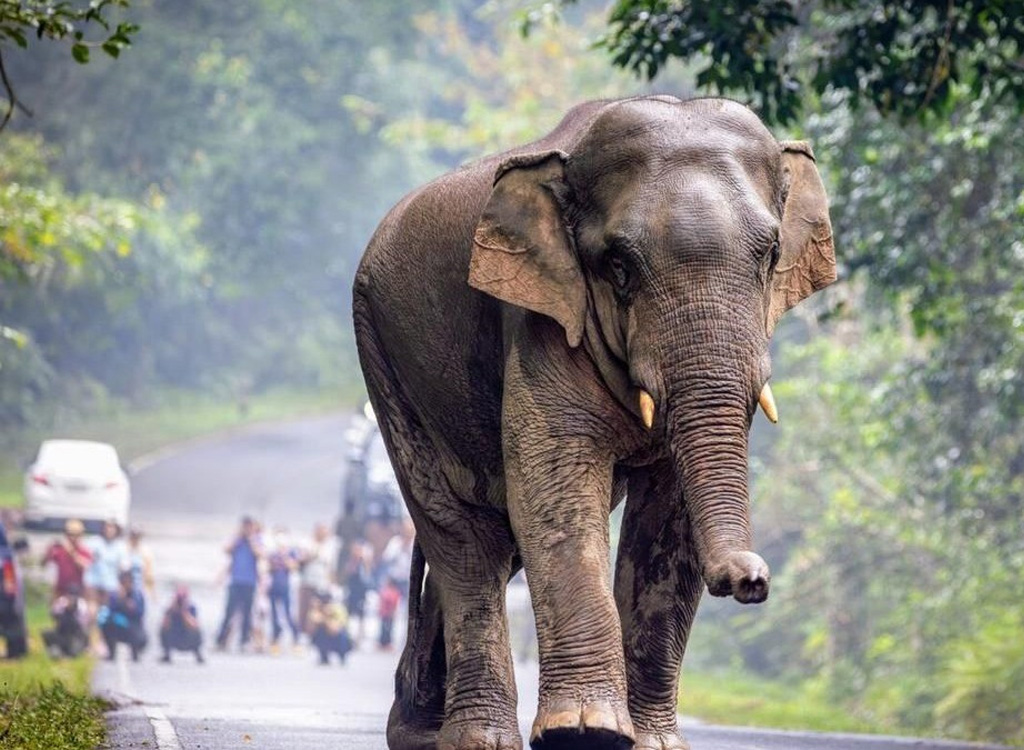
For centuries, elephants have been an enduring symbol of Sri Lanka’s natural heritage, roaming forests, grasslands, and ancient migratory corridors across the island. Today, however, the relationship between humans and elephants has become increasingly strained, evolving into one of the country’s most persistent environmental and social challenges.
Recognising the growing severity of the issue, the Cabinet of Ministers has approved a proposal to formulate a new National Action Plan for Human-Elephant Conflict Management. The move signals a renewed effort to address a crisis that continues to claim lives, damage livelihoods, and threaten the survival of one of Sri Lanka’s most iconic species.
Expanding conflict
The decision comes at a time when the conflict has expanded well beyond traditional wildlife zones. According to government figures, human-elephant conflict now affects 19 of the country’s 25 administrative districts and 134 of its 341 Divisional Secretariat divisions, highlighting the scale and complexity of the problem.
Cabinet Spokesman and Minister Nalinda Jayathissa noted that rapid population growth, expanding infrastructure and development projects, and widespread deforestation have significantly altered the landscape in recent decades. These human-driven changes have reduced natural elephant habitats and disrupted traditional migration routes that elephants have followed for generations.
As forests shrink and settlements expand, encounters between people and elephants have become increasingly common. Farmers often bear the brunt of the conflict, with elephants raiding crops, damaging homes, and destroying property. For many rural communities, a single elephant intrusion can wipe out months of hard work and income.
The consequences are devastating for both sides. Every year, the conflict results in the deaths of humans and elephants, while thousands of incidents involving crop and property damage are reported across affected regions. Beyond the immediate economic losses, the conflict has created an atmosphere of fear and uncertainty among communities living near wildlife habitats.
Conservationists’ warnings
At the same time, conservationists warn that continued losses of elephants threaten the long-term viability of the species in Sri Lanka. The 2024 wild elephant census estimates the country’s elephant population at approximately 7,450 animals, making Sri Lanka home to one of the largest remaining populations of Asian elephants in the world.
Efforts to address the issue are not new. In 2020, the government introduced a National Action Plan aimed at mitigating human-elephant conflict. However, changing environmental conditions, evolving land-use patterns, and the continued expansion of human settlements have altered the nature of the challenge, prompting authorities to reassess existing approaches.
Officials acknowledge that measures that may have been effective several years ago are no longer sufficient to deal with the scale of the current crisis. The new action plan is expected to adopt a more comprehensive and adaptive approach, incorporating lessons learned from previous interventions and addressing emerging realities on the ground.
Sustainable solutions
Experts have long argued that managing human-elephant conflict requires more than simply preventing encounters. Sustainable solutions often involve land-use planning, habitat conservation, community participation, early warning systems, improved fencing, and the protection of elephant corridors that allow animals to move safely between habitats.
Balancing development needs with wildlife conservation remains one of Sri Lanka’s greatest challenges. As roads, agricultural lands, and settlements continue to expand, policymakers are increasingly tasked with finding ways to protect both rural livelihoods and biodiversity.
The approval to draft a new national strategy reflects an understanding that the conflict can no longer be viewed solely as a wildlife issue. It is equally a matter of rural development, environmental sustainability, public safety, and economic security.
For thousands of families living in affected districts, the hope is that the new action plan will deliver practical and lasting solutions. For Sri Lanka’s elephants, it may represent a crucial opportunity to secure a future in a landscape they have inhabited for centuries.
As the country seeks a path toward coexistence, the success of the new strategy will depend on its ability to bridge the needs of people and wildlife, ensuring that both can thrive in an increasingly shared environment.












Leave a comment