
By The Pulseline News Desk
Sri Lanka’s fragile economic recovery is facing a new threat as the escalating conflict in the Middle East drives up global food, fuel and fertiliser prices, putting an estimated 1.3 million additional people at risk of struggling to meet their basic food needs, according to a new analysis by the United Nations World Food Programme (WFP).
The report highlights how a conflict thousands of kilometres away is having direct consequences for Sri Lankan households, many of which are still recovering from the country’s worst economic crisis in decades.
WFP warned that rising energy and commodity prices linked to the Middle East conflict are placing additional pressure on families already grappling with high living costs. The agency said Sri Lanka’s dependence on Middle Eastern energy supplies, remittances from Gulf countries and export earnings from the region has left the country particularly exposed to external shocks.
According to the report, as many as 1.3 million people could be pushed into food insecurity on top of the 4.7 million Sri Lankans already projected to struggle to meet their basic food requirements in 2026.
“The poorest families, often far removed from the centre of the crisis, are paying the highest price,” said Jean-Martin Bauer, Director of WFP’s Food Security and Nutrition Analysis Service.
WFP had warned earlier this year that prolonged conflict and sustained oil prices of around US$ 100 per barrel could trigger a sharp increase in global hunger. The latest assessment suggests those fears are now materialising.
Sri Lanka imports approximately 63 percent of its energy needs from the Middle East, while nearly 44 percent of remittance inflows originate from Gulf countries. The region is also a key market for Sri Lankan tea, accounting for about 45 percent of exports. Any disruption to these economic lifelines has the potential to affect household incomes, government finances and foreign exchange earnings.
The report notes that soaring fuel costs are increasing transport and production expenses across the economy, while higher fertiliser prices threaten agricultural output and future harvests. As a result, wages are being stretched further as families spend a growing share of their income on essentials.
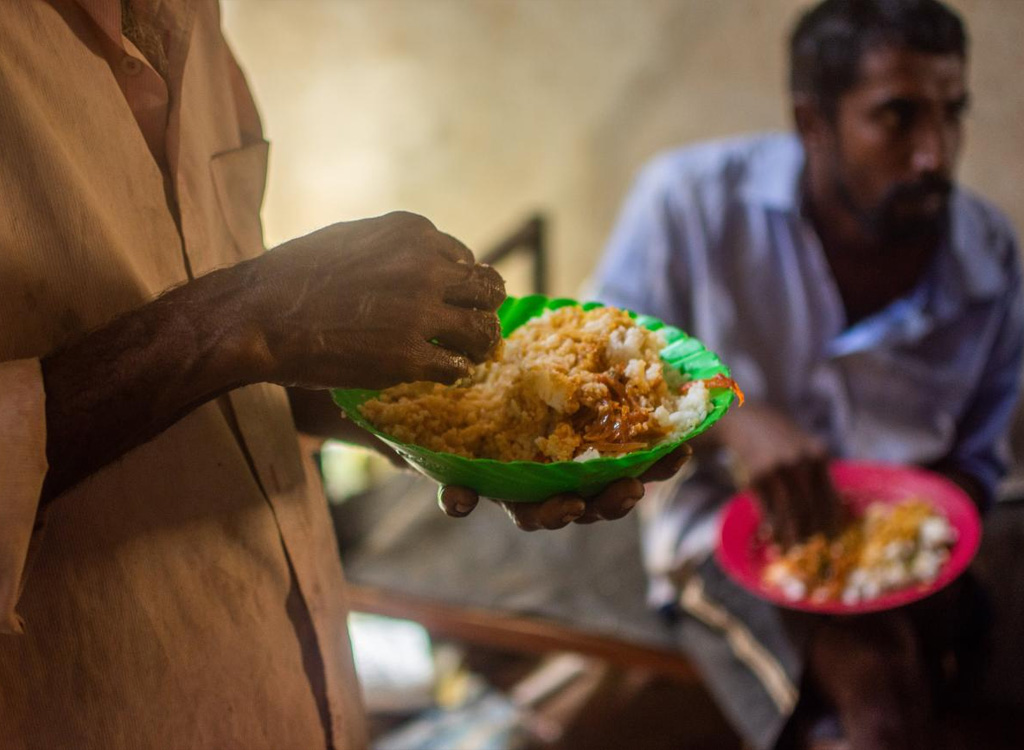
Although food remains available in markets, affordability is becoming an increasingly serious challenge. Many households are being forced to reduce the quality and quantity of food they consume as living costs continue to rise.
WFP warned that the consequences could extend well beyond the immediate crisis. Farmers in many countries are entering planting seasons amid severe fertiliser shortages and elevated fuel costs, conditions that could reduce crop yields and drive food prices even higher in the months ahead.
“One of the biggest concerns is that the full impact of this crisis has yet to be felt,” Bauer said, noting that price shocks and disruptions to livelihoods could persist even if tensions in the Middle East ease in the near future.
The report identifies Sri Lanka, Somalia and Afghanistan as countries particularly vulnerable to the ripple effects of the conflict due to their varying economic and humanitarian challenges.
Beyond its impact on individual households, the crisis is also straining the global humanitarian response. WFP said it is facing rising operational costs, growing humanitarian needs and declining donor funding simultaneously. As a result, the agency expects to assist 1.5 million fewer people worldwide than originally planned this year.
If the conflict continues, more than nine million people globally could lose access to food assistance, WFP warned, calling for increased international support to prevent a worsening hunger crisis.
For Sri Lanka, the findings serve as a reminder that despite signs of economic stabilisation, many families remain highly vulnerable to global shocks. With food prices, fuel costs and household expenses once again under pressure, the country’s recovery may prove more fragile than anticipated.












Leave a comment