
By The Pulseline News Desk
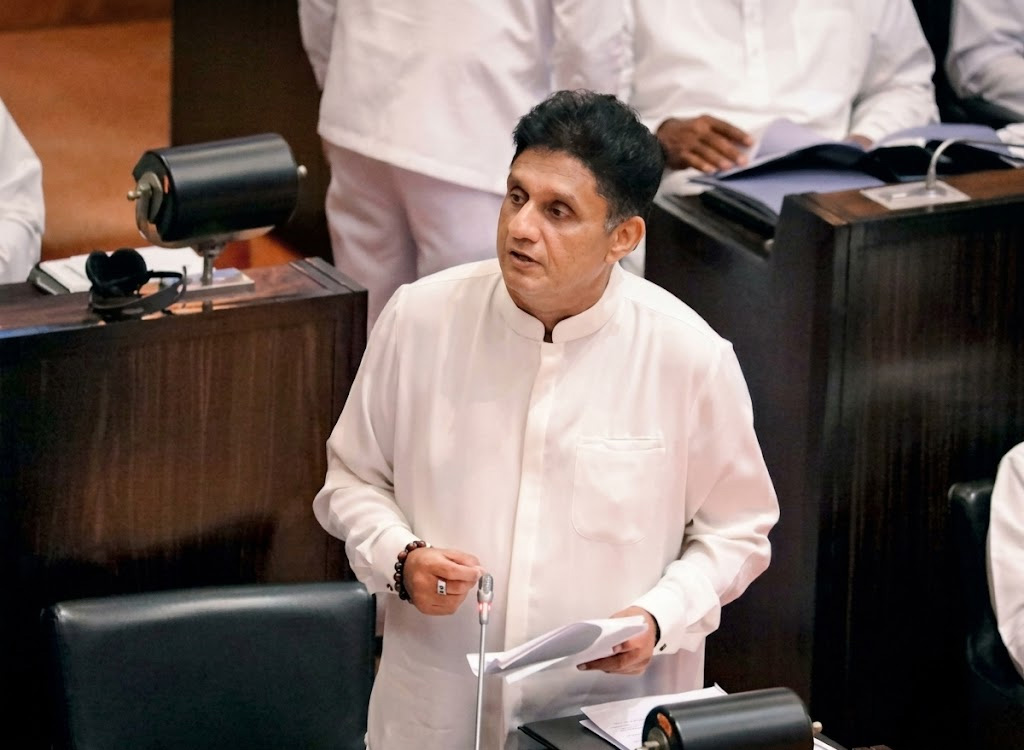
Opposition Leader Sajith Premadasa stated in Parliament that several matters relating to the fuel procurement and supply process of the Ceylon Petroleum Corporation (CPC) need to be clarified, particularly considering concerns regarding transparency and efficiency in fuel supply procurement and purchasing procedures in the country.
The Opposition Leader made these remarks while raising questions under Standing Order 27(2) in Parliament yesterday (7) regarding fuel procurement.
He requested details on the number of new suppliers registered with the CPC during the past 12 months and information relating to them. He also asked for details of any new or existing suppliers who may have defaulted on fuel deliveries during the same period, including who they were and when such defaults occurred. In addition, he requested information on the action taken against those suppliers in cases where such breaches had taken place.
Premadasa further requested separate details of emergency purchases and purchases made under long-term agreements by the CPC during the past 12 months. He also called for the technical and commercial evaluation criteria used in those procurements to be presented, together with comparisons of those criteria with practices followed in other countries.
He additionally asked whether any decisions had been taken regarding spot tender awards during the validity period of long-term contracts and whether such decisions had received approval. He also requested a comparative report between long-term contract prices and emergency purchase prices. The Opposition Leader stated that the government must explain these matters because recent fuel procurement activities have reportedly caused losses to the country.
Premadasa further requested details on the number of bids received for the three most expensive fuel shipments during the past 12 months and the suppliers to whom those tenders had been awarded. He also sought clarification on how the use of Murban crude oil instead of Iranian Light crude at the Sapugaskanda Refinery had affected refinery output percentages, costs, and final pricing.
He also questioned whether there had been instances where differences arose between the recommendations of Technical Evaluation Committees and Cabinet-appointed Procurement Committees regarding procurement decisions. In addition, he asked whether any post-audit mechanism exists for high-value fuel purchases.
The Opposition Leader further stated that, in the recent past, a supplier who had been awarded a term tender had failed to implement it and later abandoned the contract. He alleged that, through an emergency procurement process and a spot tender, the same supply contract had once again been awarded to that same party. Since the contract had reportedly been awarded at a higher price, he stressed that an explanation regarding the matter was necessary.










Leave a comment