
By The Pulseline News Desk
In a move aimed at addressing both labour shortages and social reintegration, the Government has launched a nationwide programme to connect young people who have successfully completed drug rehabilitation with more than 400,000 permanent job vacancies in Sri Lanka’s private sector.
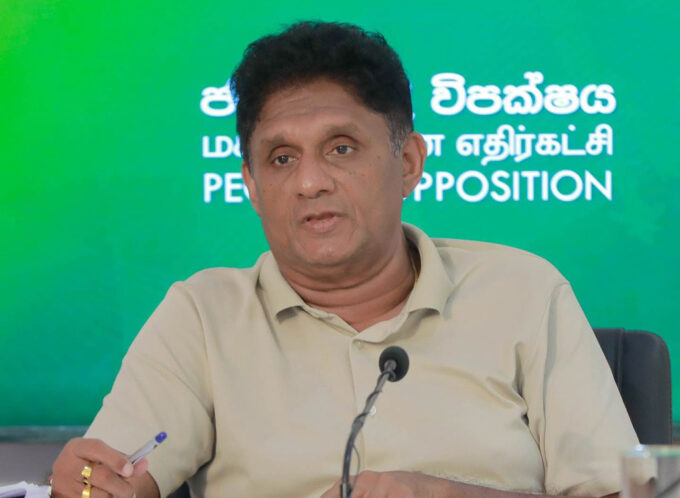
The initiative, announced by Minister of Industries and Entrepreneurship Development Sunil Handunnetti, seeks to provide rehabilitated youth with vocational training and long-term employment opportunities while helping industries overcome a growing shortage of skilled and unskilled workers.
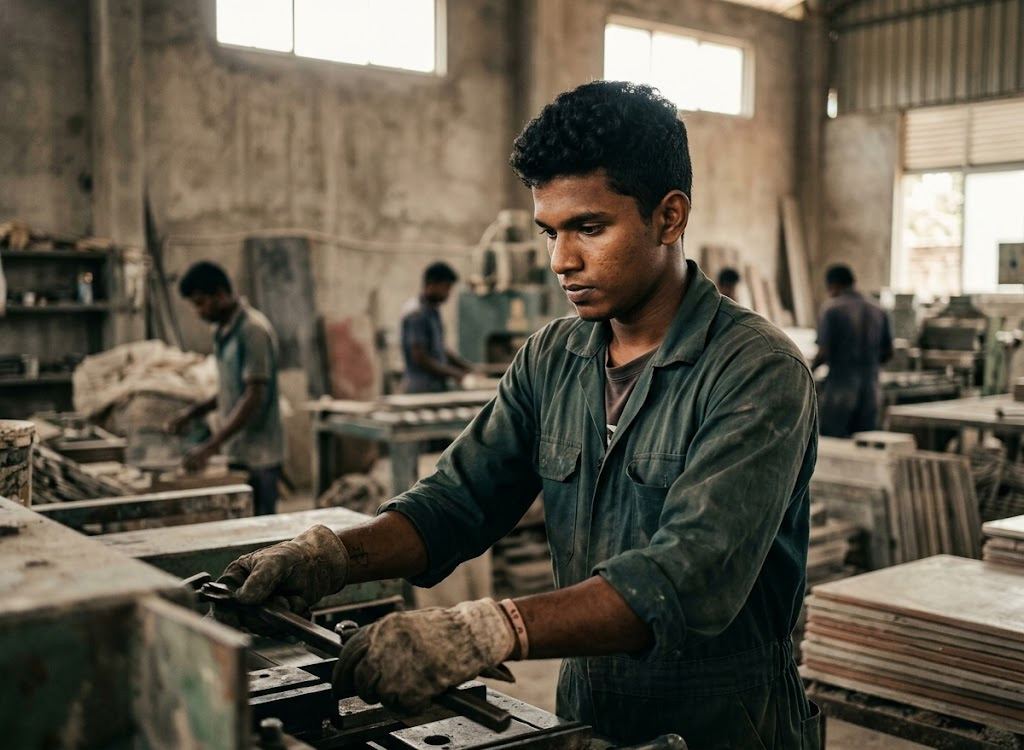
The programme will focus on recruiting workers for sectors experiencing acute labour deficits, including construction, tile manufacturing, footwear production, leather goods, and the automobile industry – industries that have struggled to maintain production due to a lack of local manpower.
Speaking at a discussion held at the Ministry of Industries and Entrepreneurship Development recently, Minister Handunnetti said Sri Lanka’s private sector currently has more than 400,000 vacant positions, creating a serious challenge for economic growth and industrial productivity.
He noted that many businesses have increasingly relied on foreign workers from countries such as India and China to sustain operations, as the domestic labour force has been unable to meet demand.
“The objective is to fill these vacancies with Sri Lankan workers by creating opportunities for young people who have completed rehabilitation programmes and are ready to rebuild their lives through meaningful employment,” the Minister said.
A partnership across Government
The employment initiative will be implemented through a coordinated effort involving the National Dangerous Drugs Control Board, the Bureau of Rehabilitation, the Tertiary and Vocational Education and Training (TVET) sector, and the Ministry of Industries.
Under the programme, rehabilitated youth will receive structured vocational training aligned with industry requirements before being placed in suitable employment. The approach is intended to ensure that participants acquire marketable skills while employers gain access to a trained and reliable workforce.
Officials from the Ministry of Industries, the Bureau of Rehabilitation and the National Dangerous Drugs Control Board attended the launch of the programme, underscoring the Government’s intention to integrate rehabilitation, skills development and employment into a single national strategy.
Tackling two national challenges
The initiative addresses two pressing national concerns simultaneously: the shortage of workers in key industries and the challenge of successfully reintegrating individuals recovering from drug dependence into society.
Labour shortages have become increasingly evident across manufacturing and industrial sectors in recent years, with employers reporting difficulties in recruiting both skilled technicians and general workers. Rising migration, demographic changes and shifting employment preferences have contributed to a shrinking domestic labour pool, forcing many companies to recruit overseas workers to maintain production.
At the same time, experts have long argued that employment is one of the most effective tools for preventing relapse among individuals who have completed rehabilitation. Stable jobs provide financial independence, social inclusion and a renewed sense of purpose, significantly improving the prospects for long-term recovery.
Investing in human potential
Government officials say the programme represents a shift from viewing rehabilitation solely as a health or law enforcement issue to treating it as a broader social and economic opportunity.
By equipping rehabilitated youth with vocational skills and linking them directly to employers, authorities hope to reduce stigma, strengthen families and increase labour force participation while easing pressure on industries facing chronic worker shortages.
The initiative also aligns with broader efforts to reduce dependence on foreign labour by encouraging greater participation of Sri Lankan workers in sectors that have traditionally struggled to attract local employees.
If implemented successfully, the programme could serve as a model for combining workforce development with social rehabilitation – helping industries fill thousands of vacancies while offering rehabilitated young people a meaningful pathway to employment, financial stability and a fresh start.











Leave a comment