
By The Pulseline News Desk
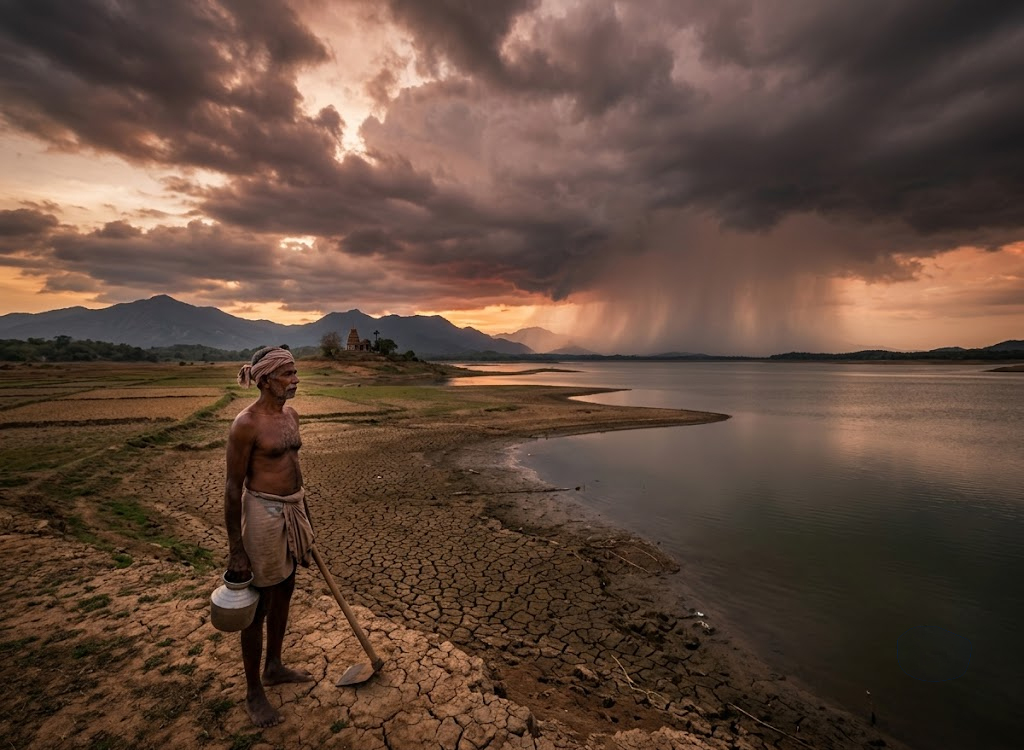
Sri Lanka is preparing for the far-reaching effects of a rapidly developing El Niño, with authorities warning of reduced rainfall and rising temperatures over the coming months, followed by the possibility of above-normal rains later in the year.
At a media briefing, officials outlined a coordinated national response aimed at safeguarding food production, water resources and energy security as the climate phenomenon begins to influence weather patterns across the island.
Environmental Minister Dhammika Patabandi said a special committee, appointed on June 22, has been tasked with steering the country’s preparedness efforts through short-, medium- and long-term strategies.
“We have brought together all relevant stakeholders to coordinate these efforts. Public awareness will also play a key role in ensuring the country is prepared,” the Minister said.
A global climate event, not just a drought
Director General of the Department of Meteorology, Ajith Wijemannage, stressed that El Niño should not be viewed simply as a drought but as a global climate phenomenon that alters weather patterns across continents.
“El Niño is not a mere drought. It affects the entire world and is not limited to a single region,” he said.
According to Wijemannage, Sri Lanka is expected to experience below-normal rainfall and higher-than-average temperatures during the remainder of the South-West monsoon. While July and August are typically among the country’s drier months, El Niño is likely to further suppress rainfall during this period.
The Meteorology Department expects rainfall to gradually recover towards the end of September, although changing wind patterns over the Pacific near the Philippines and Malaysia could influence the timing.
Officials also warned that the current El Niño could intensify into an exceptionally strong event. If that happens, dry conditions may persist until April next year, although Wijemannage cautioned that it remains too early to make definitive long-range forecasts.
Historical records suggest that strong El Niño years – including 1982-83, 1997-98 and 2015-16 – brought significantly above-average rainfall to Sri Lanka during October and November. Meteorologists believe a similar pattern could emerge this year.
The World Meteorological Organisation has identified the current El Niño as one that is developing rapidly. Should the Indian Ocean Dipole remain in a positive phase, enhanced rainfall during October and November could continue into December.
Reservoir levels
Despite the anticipated dry spell, water authorities say current reservoir levels provide a measure of reassurance.
Director General of Irrigation, Eng. Dr. Kithsiri Waligepolage, said reservoirs managed by the Irrigation Department are presently around 50 percent full. Since inflows are generally low during July and August, the expected reduction in rainfall is unlikely to create immediate concerns.
He noted that projected rains during October and November would arrive in time to support the Maha cultivation season, while drinking water supplies remain stable despite some declines observed in parts of the Eastern Province.
Waligepolage also emphasised that reservoirs under the Irrigation Department are primarily intended for irrigation and drinking water, with only limited allocations made for hydropower generation.
Better prepared
Sri Lanka enters this El Niño in a stronger position than it did during the 2015-16 event, according to Director of the Water Management Secretariat of the Mahaweli Authority, Eng. Nilantha Dhanapala.
He said national reservoir storage currently stands at approximately 65 percent, with hydropower reservoirs holding around 60 percent of capacity, mini-hydropower reservoirs at 68 percent, Mahaweli-managed reservoirs at 71 percent, and Irrigation Department reservoirs at 62 percent.
Regional storage levels also remain relatively healthy. Reservoirs stretching from Kotmale to Anuradhapura are at 74 percent capacity, the Victoria-Maduru Oya system stands at 58 percent, Moragahakanda and the Walawe Basin are at 68 percent, while the Kelani Basin – including Castlereigh and Maussakelle reservoirs – is approximately 74 percent full.
Based on existing water reserves, Dhanapala said Sri Lanka has sufficient capacity to support cultivation across nearly 860,000 hectares during the upcoming Maha season.
He also highlighted the Mahaweli system’s ability to transfer water from wetter regions to drier areas, describing it as a significant advantage during periods of reduced rainfall. Farmers, he said, should begin Maha cultivation on schedule in October to make the best use of the anticipated seasonal rains.
Balancing water and energy needs
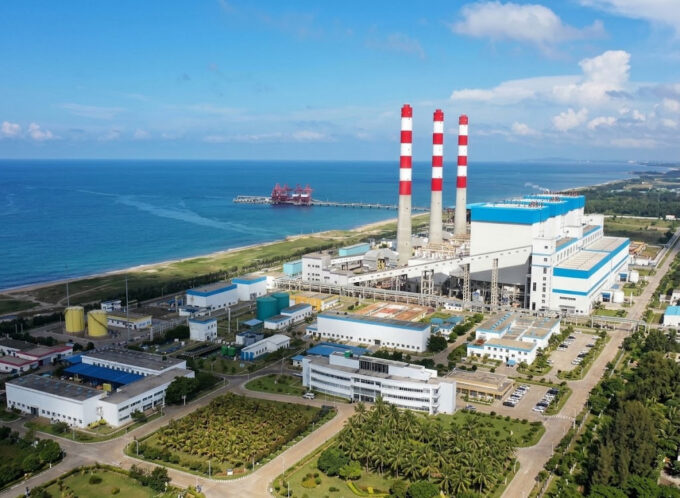
With hydropower accounting for between 25 and 30 percent of Sri Lanka’s electricity generation, water managers are also taking steps to balance energy production with essential water requirements.
Although no restrictions have yet been imposed on hydropower generation, the Water Management Secretariat has requested the state power utility to minimise the use of reservoir water for electricity generation during the El Niño period.
The move is intended to preserve water supplies for agriculture and drinking water, ensuring that the country’s most critical needs remain protected should the expected dry conditions persist longer than anticipated.
As Sri Lanka prepares for months of uncertain weather, officials say careful planning, efficient water management and timely agricultural decisions will be key to mitigating the impacts of one of the world’s most influential climate phenomena.











Leave a comment