
By The Pulseline News Desk
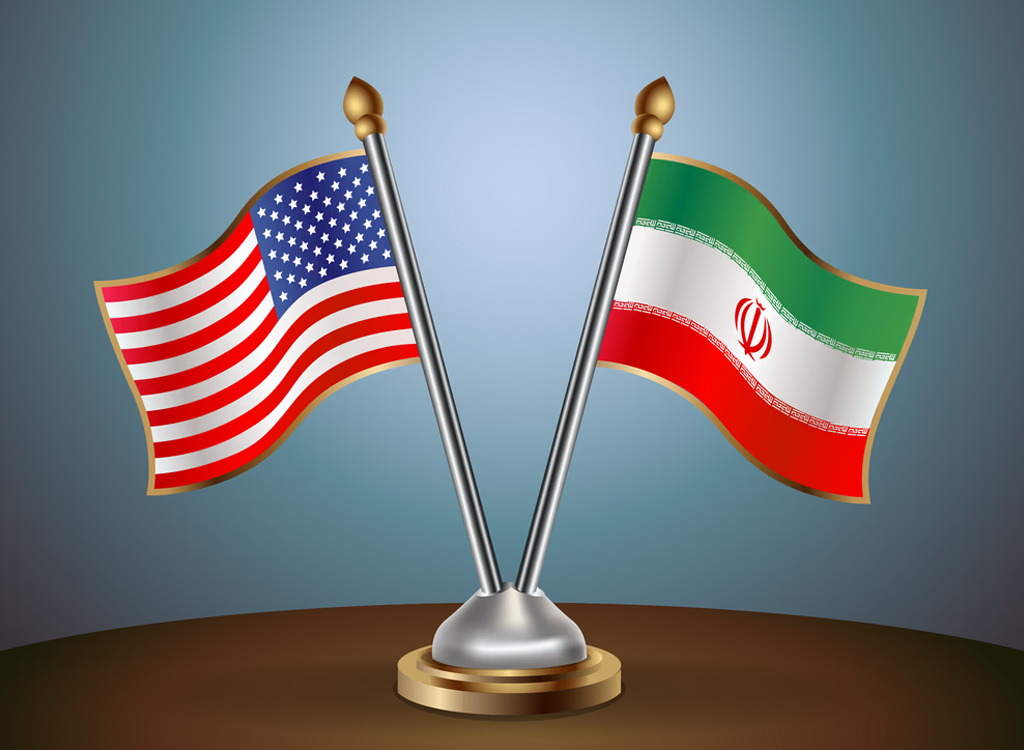
The United States (US) and Iran have taken a significant step toward easing tensions by launching technical-level negotiations aimed at finalising a peace agreement and restoring stability to one of the world’s most strategically important shipping routes.
The talks, which bring together diplomatic, security and economic experts from both countries, are focused on translating broad political commitments into practical measures that could reduce the risk of military confrontation while safeguarding international maritime trade.
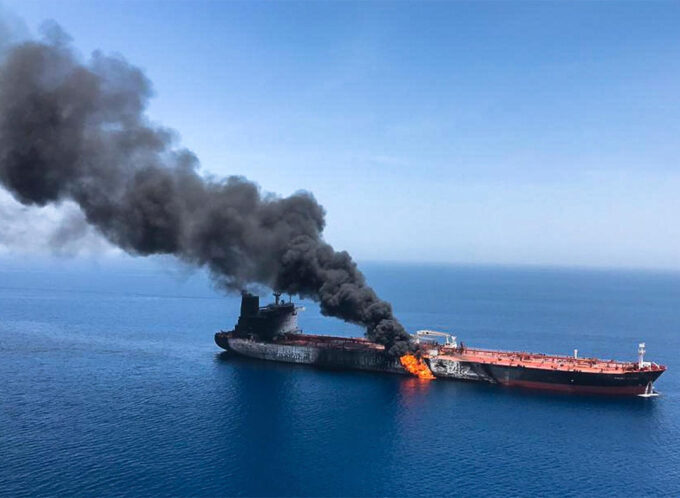
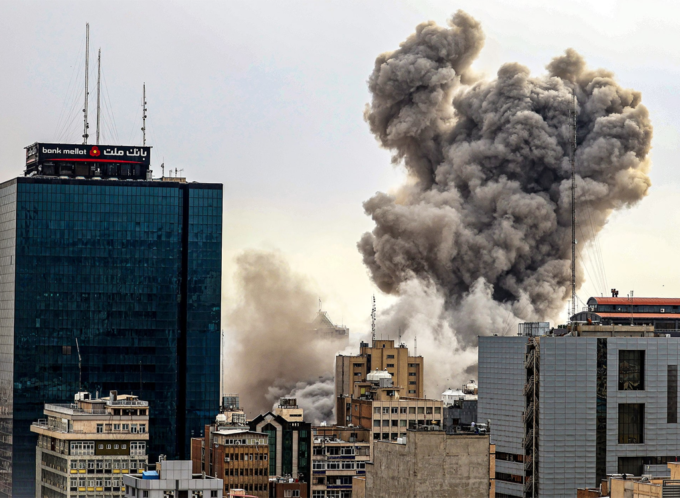
The negotiations come after months of heightened regional instability that disrupted commercial shipping, increased insurance costs for cargo vessels and raised concerns over the security of energy supplies passing through the Gulf. Officials from both sides have described the technical discussions as a critical phase in building a durable framework for de-escalation.
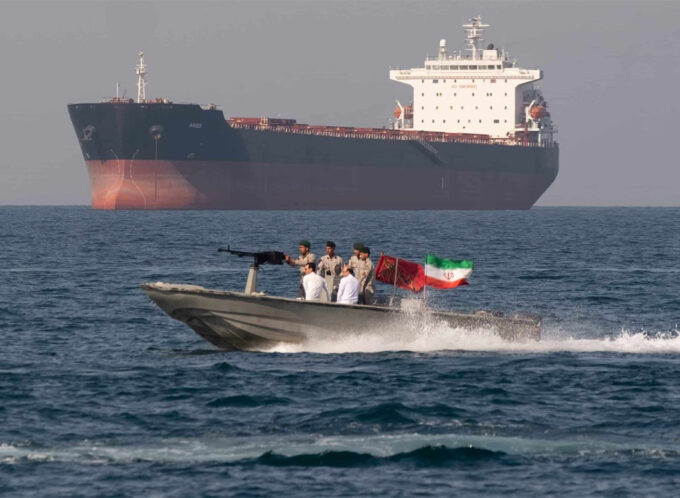
Among the key issues under discussion are maritime security arrangements, mechanisms to prevent military incidents at sea, sanctions-related economic measures, and confidence-building initiatives designed to rebuild trust between the longtime adversaries. Technical experts are also expected to examine procedures for monitoring compliance and resolving disputes should disagreements arise after an agreement is reached.
A successful outcome could pave the way for the gradual restoration of normal shipping operations through vital maritime corridors, including the Strait of Hormuz, a strategic waterway through which a significant share of the world’s oil and liquefied natural gas (LNG) exports passes each day. Any improvement in security across the region would likely provide relief to global shipping companies, energy markets and international insurers that have grappled with rising costs amid persistent uncertainty.
Analysts say the move reflects a growing recognition by both Washington and Tehran that continued instability carries substantial economic and security risks. While political differences remain deep, technical negotiations often provide an avenue for progress by focusing on practical solutions rather than broader ideological disputes.
The renewed diplomatic engagement has also been welcomed by many regional governments and international trading partners, who have repeatedly called for measures to prevent further escalation in the Middle East. A reduction in tensions could strengthen regional economic activity, encourage investment and improve confidence in global supply chains that depend on uninterrupted maritime commerce.
Despite the positive momentum, diplomats caution that technical talks represent only one stage in a complex negotiation process. Any final agreement is expected to require political approval from both governments and could face domestic and regional challenges before implementation.
For now, the launch of technical negotiations signals cautious optimism that diplomacy may succeed where confrontation has repeatedly failed, offering the prospect of greater regional stability and a safer environment for global trade.
(With input from news agencies)









Leave a comment