
By The Pulseline News Desk
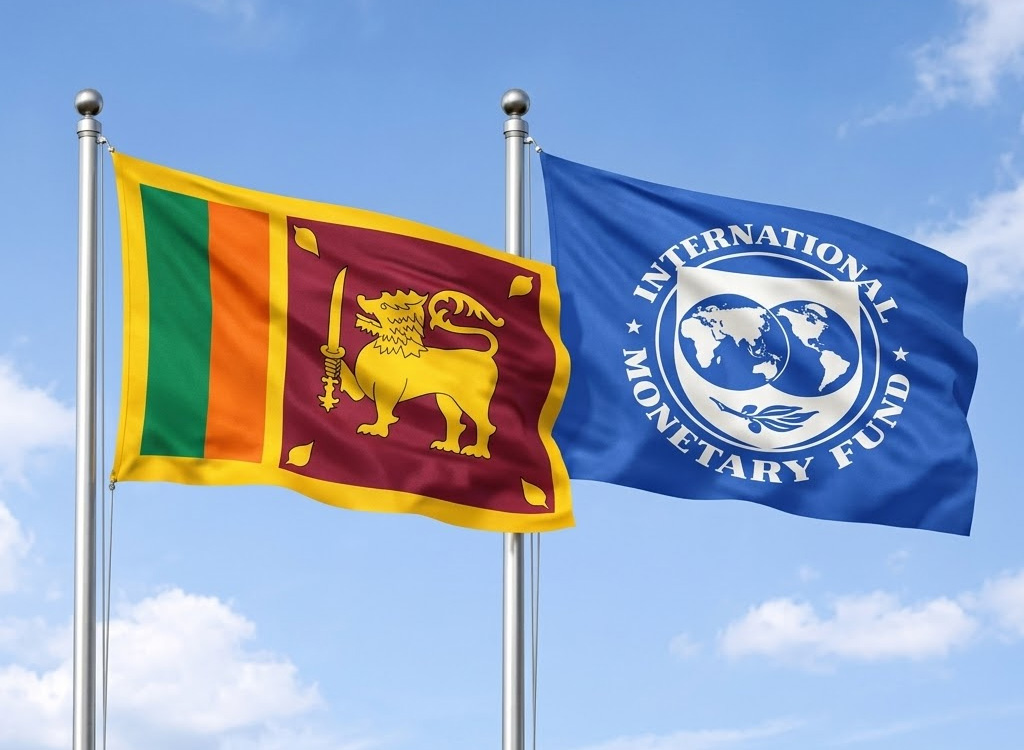
Sri Lanka has secured a fresh US$ 695 million tranche from the International Monetary Fund (IMF), offering a major boost to the island nation’s fragile economic recovery nearly four years after it plunged into its worst financial crisis in decades.
The latest disbursement, approved under the IMF’s Extended Fund Facility (EFF), comes as Sri Lanka continues efforts to stabilise its economy while facing mounting global economic uncertainty and rising energy prices linked to tensions in the Middle East.
The funding forms part of the broader US$ 2.9 billion IMF bailout package agreed in 2023 following Sri Lanka’s sovereign debt default and severe balance-of-payments crisis that triggered shortages of fuel, food, medicine, and other essentials.
The IMF said Sri Lanka had made notable progress in implementing economic reforms despite difficult external conditions. IMF Deputy Managing Director Kenji Okamura noted that the reform programme had helped strengthen economic resilience and restore a measure of macroeconomic stability.
However, the IMF also warned that the country remains vulnerable to external shocks, particularly higher oil prices and slowing global growth.
Sri Lanka’s foreign exchange reserves, which had shown gradual improvement over the past two years, recently came under renewed pressure due to rising import costs. Inflation has also accelerated in recent months, increasing from 2.2 percent in March to 5.4 percent in April.
In response, the Central Bank of Sri Lanka (CBSL) raised benchmark interest rates by 100 basis points this week — the sharpest increase since 2023 — in a move aimed at containing inflation and stabilising the rupee.
Economists say the latest IMF tranche is critical not only for strengthening reserves but also for maintaining investor confidence and supporting the country’s ongoing debt restructuring process.
The government has introduced a series of tough reforms under the IMF programme, including higher taxes, subsidy reductions, tighter monetary policy, and restructuring of state-owned enterprises.
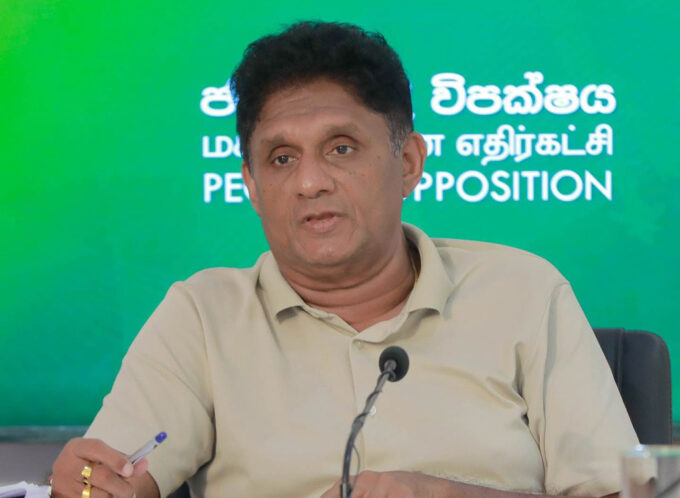
While these measures have helped stabilise public finances, they have also increased pressure on households already struggling with high living costs. Trade unions and opposition parties have continued to criticise austerity measures linked to the IMF-backed reforms.
Despite public resistance, international lenders have largely viewed Sri Lanka’s reform progress positively. Analysts say continued IMF support is essential for the country to regain credibility in international financial markets and attract future investment.
The latest approval brings total IMF disbursements to Sri Lanka under the programme to approximately US$ 2.4 billion.
The government is also expected to use the IMF endorsement to unlock additional support from multilateral lenders including the World Bank and the Asian Development Bank (ADB).
Although Sri Lanka’s economy returned to growth last year after a deep contraction in 2022, experts caution that the recovery remains delicate.
Tourism earnings, worker remittances, and export performance have improved, but high debt levels, inflationary pressure, and global economic instability continue to pose serious risks.
For many Sri Lankans, the IMF tranche represents both relief and a reminder of the difficult road ahead.
While the country has moved beyond the immediate chaos of the 2022 economic collapse, the challenge now lies in ensuring that recovery translates into long-term economic stability and tangible improvements in living conditions for ordinary citizens.









Leave a comment