

By The Pulseline News Desk
President Anura Kumara Dissanayake said in Parliament on Thursday (25) that the long-contested Prevention of Terrorism Act (PTA) will be repealed within this year, marking one of the government’s most significant legislative commitments to date.
Addressing the House, the President assured lawmakers that the process to abolish the PTA and replace it with a new legal framework has already been completed at the drafting stage, with final discussions concluded.
“The PTA was brought as a temporary law in 1979 but has remained in force over the past 46 years. There have been strong calls from the public to repeal the PTA,” he said.
He added that Justice Minister Harshana Nanayakkara has finalised the proposed replacement legislation, which is expected to provide a more narrowly defined legal framework focused specifically on organised criminal activity.
A law with a contested legacy
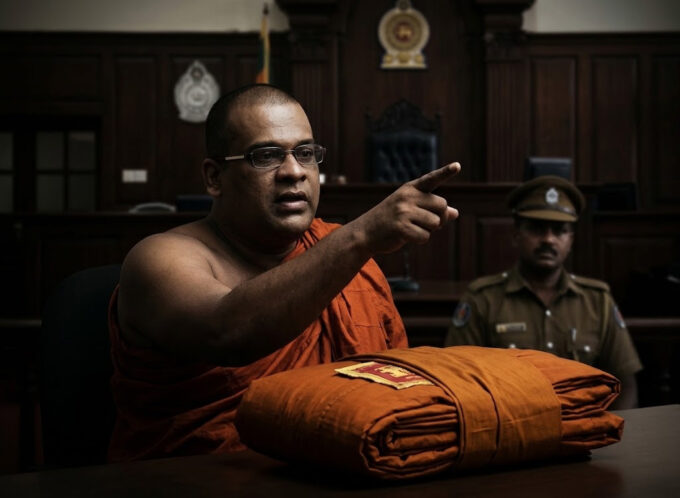
The PTA, introduced in 1979 as emergency legislation, has remained one of Sri Lanka’s most controversial laws. Originally intended as a temporary measure, it became a permanent feature of the country’s security and legal architecture during decades of internal conflict.
Over the years, the PTA has faced sustained criticism from human rights organisations, legal experts and civil society groups over its broad powers of detention, limited judicial safeguards and potential for misuse. Successive governments have faced both domestic and international pressure to reform or repeal the legislation, particularly in the post-war period.
EU pressure and trade linkages
The announcement also comes against the backdrop of longstanding European Union (EU) concerns over Sri Lanka’s counterterrorism framework. The EU has repeatedly flagged PTA-related provisions as a key issue in its periodic reviews of Sri Lanka’s eligibility for the Generalised Scheme of Preferences Plus (GSP+) trade concession.
GSP+ provides preferential access to the European market but is conditional on Sri Lanka’s compliance with 27 international conventions on human rights, labour standards, environmental protection and good governance. EU assessments have in the past specifically urged reforms to or repeal of the PTA, citing concerns over arbitrary detention powers and due process safeguards.
Sri Lanka’s continued access to GSP+ has therefore been closely linked, in diplomatic and policy discussions, to progress on legal reforms in this area.
Government’s reform agenda
President Dissanayake’s announcement aligns with the broader reform narrative of the Janatha Vimukthi Peramuna (JVP)-led National People’s Power (NPP) administration, which has pledged to strengthen democratic governance while tightening action against organised crime.
According to the President, the new legal framework will replace the PTA’s broad provisions with a more defined statute targeting organised criminal networks, while safeguarding fundamental rights and limiting discretionary powers.
He said the final policy-level discussions on the repeal have already been concluded, suggesting that the legislative process could begin shortly.
Balancing security and rights
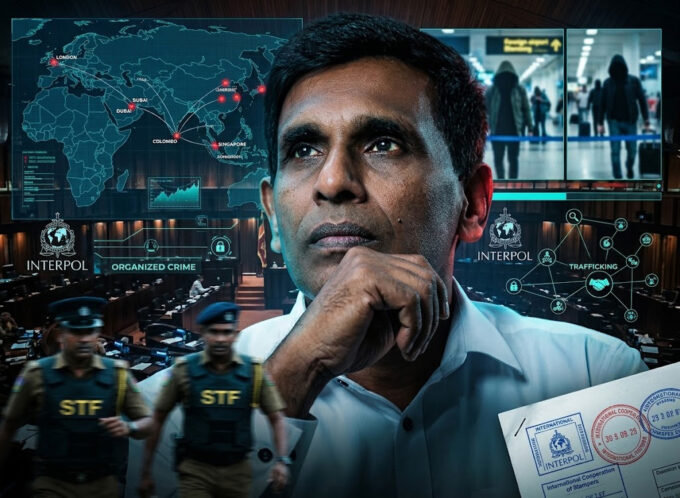
The proposed repeal comes at a politically sensitive moment, as the government simultaneously intensifies efforts to combat drug trafficking and organised crime. Officials have repeatedly stressed that the PTA’s removal will not weaken law enforcement capacity, arguing instead that clearer legal definitions will improve prosecutorial effectiveness.
At the same time, Sri Lanka’s external economic relationships – including trade preferences under GSP+ – add an additional layer of urgency to the reform process. Maintaining access to the European market remains important for export-oriented industries, particularly apparel, which relies heavily on preferential tariff access.
The government now faces the challenge of ensuring that the replacement law satisfies domestic security requirements while also addressing long-standing international concerns over civil liberties and due process.
If implemented as pledged, the repeal of the PTA would mark a major shift in Sri Lanka’s post-conflict legal framework, ending nearly five decades of emergency-era legislation that has shaped the country’s approach to security, dissent and counterterrorism.











Leave a comment