
By The Pulseline News Desk
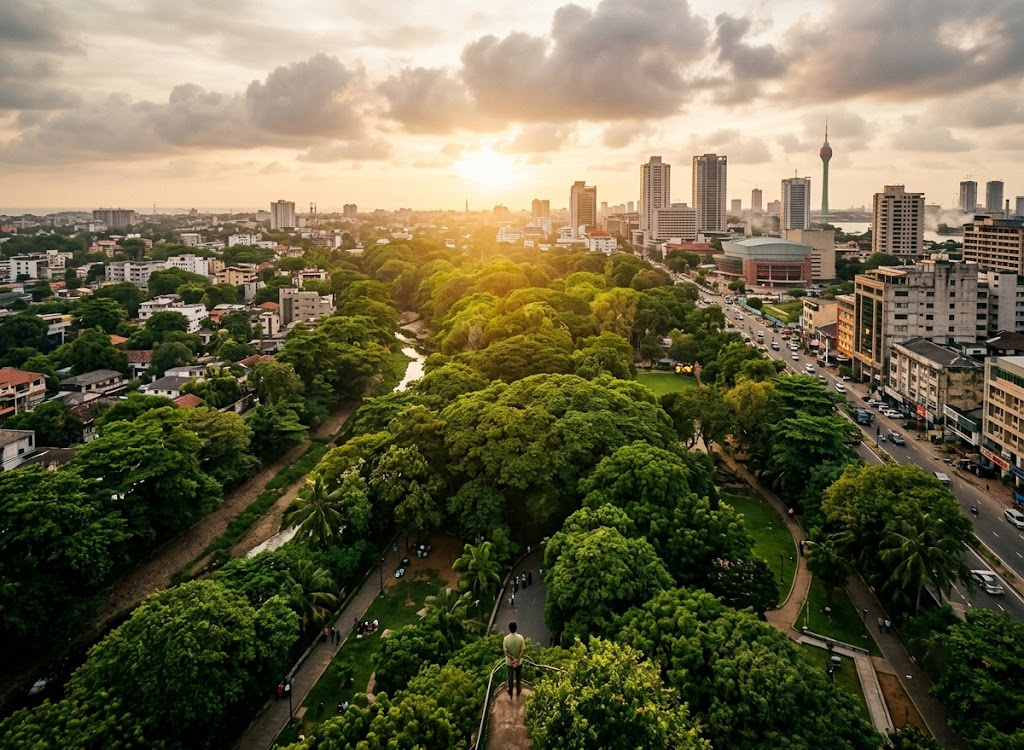
Urban forests must be treated as essential infrastructure if Sri Lanka’s cities are to withstand the growing impacts of climate change, the Environment Ministry says, stressing that protecting and expanding urban tree cover requires sustained investment and long-term planning rather than one-off tree-planting campaigns.
In a statement, the Ministry said urban trees play a critical role in creating cooler, safer and more liveable cities by delivering a range of environmental, economic and public health benefits. Beyond providing shade, urban forests help reduce temperatures, improve air quality, minimise flood risks, support biodiversity and contribute to the overall well-being of residents.
The Ministry noted that as cities continue to expand and climate-related challenges intensify, urban forests are increasingly being recognised worldwide as critical infrastructure for building sustainable and climate-resilient communities.
However, it cautioned that simply planting trees is not enough to achieve these goals. Successful urban forestry programmes require sustained funding, careful planning, effective maintenance and long-term policy support to ensure trees survive and continue to deliver environmental benefits for generations.
The call comes at a time when many countries are investing in urban greening initiatives to combat the urban heat island effect, where densely built-up areas experience significantly higher temperatures than surrounding regions due to the concentration of buildings, roads and other heat-absorbing surfaces.
Sri Lanka has also witnessed growing pressure on urban green spaces as cities continue to develop. Environmentalists have long warned that the loss of tree cover not only contributes to rising temperatures but also increases the risk of flash flooding, reduces biodiversity and worsens air pollution.
Experts say protecting mature trees and incorporating parks, roadside trees and other green infrastructure into urban planning are among the most cost-effective ways to strengthen climate resilience while improving the quality of life for city residents.
The Environment Ministry said building resilient urban forests will require coordinated efforts involving government agencies, local authorities, the private sector and local communities, underscoring that preserving urban greenery is an investment in the country’s long-term environmental and economic sustainability.











Leave a comment