
By The Pulseline News Desk
Twenty petitions have been filed before the Supreme Court challenging the constitutionality of the Government’s proposed Prevention of Organised Crimes Bill, signalling growing legal opposition to the controversial legislation.
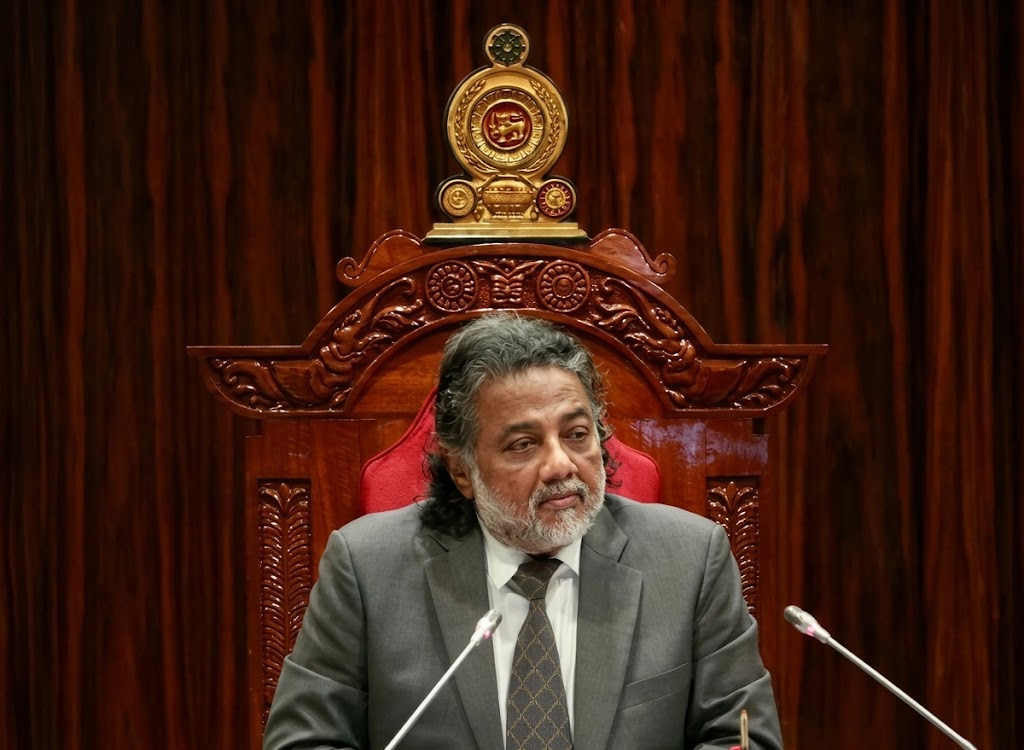
Deputy Speaker Rizvie Salih informed Parliament today (3) that the Speaker had received copies of all 20 petitions submitted to the Supreme Court under Article 121(1) of the Constitution.
The petitions seek a determination by the Supreme Court on whether the proposed legislation, in its entirety or through certain provisions, is inconsistent with the Constitution.
The Prevention of Organised Crimes Bill was gazetted on October 6 and subsequently presented to Parliament on October 20. The proposed legislation aims to strengthen measures to prevent, investigate and prosecute serious offences linked to organised criminal groups, while facilitating national and international cooperation against organised crime.
However, several provisions have come under scrutiny from legal professionals, civil society organisations and human rights advocates, who have raised concerns about their potential implications for fundamental rights, judicial independence and individual liberties.
Among the issues challenged before the Supreme Court are provisions relating to police powers of arrest and search, extended detention without adequate judicial oversight, the admissibility of statements made to police and restrictions on access to legal representation.
The Law and Society Trust (LST), among the petitioners, has argued that certain provisions could undermine the independence of the judiciary by restricting the discretion of Magistrates in matters relating to arrest, detention and bail.
Concerns have also been raised over provisions that could affect attorney-client confidentiality and create conditions conducive to torture through prolonged detention at police stations.
Meanwhile, two journalists have separately challenged provisions relating to the disclosure of information concerning ongoing or planned investigations, arguing that they could restrict public-interest journalism and affect freedom of expression.
The petitions have called for the Supreme Court to determine whether the Bill or specific provisions are inconsistent with the Constitution and, consequently, whether its enactment would require a two-thirds majority in Parliament and, where constitutionally applicable, approval at a referendum.
Under Article 121(1), citizens are entitled to challenge the constitutionality of a Bill before the Supreme Court within the constitutionally prescribed period after it is placed on Parliament’s Order Paper.
The Supreme Court’s determination will therefore be significant in deciding the constitutional requirements that the Government must satisfy before proceeding with the proposed legislation.













Leave a comment