
By The Pulseline News Desk
UN Women has called on Sri Lanka to move beyond increasing the numerical representation of women in politics and ensure that they have meaningful participation, decision-making power and leadership opportunities within political institutions.
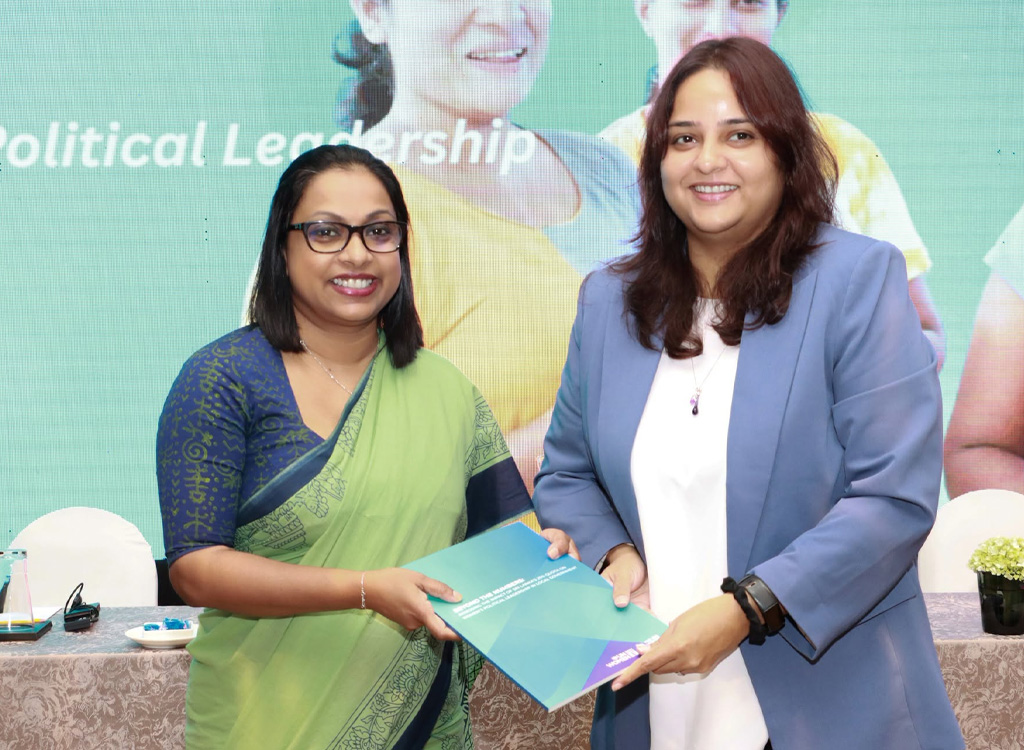
The call was made with the launch of a new report titled ‘Beyond Numbers’, which examines the impact and lessons of Sri Lanka’s 25 per cent quota for women in local government and assesses whether the increased representation has translated into greater political influence.
The report was launched at a strategic dialogue organised by UN Women Sri Lanka, bringing together government representatives, political actors, women leaders, civil society organisations, development partners, academics and United Nations representatives to discuss the future of women’s political participation and leadership.
Speaking at the event, UN Women Sri Lanka Head of Office Ramaaya Salgado has said that while increasing women’s representation in political institutions was an important achievement, the next challenge was to ensure that such representation translated into meaningful participation, influence and leadership.
She has said the experiences of women who entered local government through the quota provided valuable lessons on the progress achieved, the barriers that continued to restrict women’s political participation and the reforms required to create a more inclusive political environment.
The report has highlighted the significant increase in women’s representation in local authorities following the introduction of the 25 per cent quota, rising from approximately two per cent to nearly 23 per cent.
However, it has pointed out that numerical gains have not necessarily removed the structural barriers preventing women from exercising political influence and accessing leadership positions.
Among the key challenges identified are political party gatekeeping, limited access to campaign financing and political networks, unequal leadership opportunities, harassment and violence, and persistent social attitudes that question women’s ability to lead.
The report has also examined whether the increased presence of women in local government has translated into greater participation in decision-making processes, highlighting the need for structural and institutional reforms to strengthen women’s political influence.
Discussions at the strategic dialogue have also focused on how lessons from the local government quota could inform future reforms at provincial and national levels.
Participants have highlighted the need to address barriers relating to political nominations, campaign financing, leadership progression, political safety and accountability.
Particular attention was also given to ensuring that efforts to expand women’s political participation are inclusive of women from minority communities, women with disabilities, young women, rural women, women affected by conflict and those outside established political networks.
UN Women has said the findings and recommendations of the report would inform future policy engagement, advocacy, programmes and partnerships aimed at advancing women’s political participation and leadership in Sri Lanka.
The report’s central message is that increasing the number of women in elected positions is only the first step, with meaningful political influence, equal opportunities and access to leadership remaining critical to translating representation into substantive political change.










Leave a comment