

By The Pulseline News Desk
Sri Lanka’s Cabinet-Appointed Negotiating Committee (CANC) has recommended the permanent cancellation of the proposed Sinopec oil refinery agreement by China, citing concerns over unfavourable investment conditions and their potential implications for the country’s economic sovereignty, domestic petroleum market and long-term energy security.
The Committee has reportedly concluded that several key conditions sought by the Chinese state-owned energy giant were overwhelmingly unfavourable to Sri Lanka and could expose the country to significant economic and strategic disadvantages over the coming decades.
One of the major concerns relates to Sinopec’s demand for access to Sri Lanka’s domestic fuel market, including permission to sell up to 40% of its refined petroleum products locally.
The Committee has raised concerns that such an arrangement could increase competition in the domestic petroleum market, undermine the financial position of the state-owned Ceylon Petroleum Corporation (CPC) and weaken the Government’s control over a strategically important sector.
Sinopec’s request for a 35-year corporate income tax holiday and extensive tax exemptions has also emerged as a major obstacle to the proposed agreement.
The Committee has reportedly questioned whether the investment would generate sufficient economic benefits to justify such extensive concessions, which could result in substantial long-term revenue losses for the Government.
Environmental concerns have also contributed to the Committee’s position.
According to the concerns outlined in the negotiations, Sinopec had repeatedly failed to provide an environmental impact assessment and had not adequately addressed proposed safeguards, including the establishment of a water desalination facility.
The Committee has viewed these omissions as significant shortcomings, given the potential environmental implications of developing a large-scale petroleum refinery.
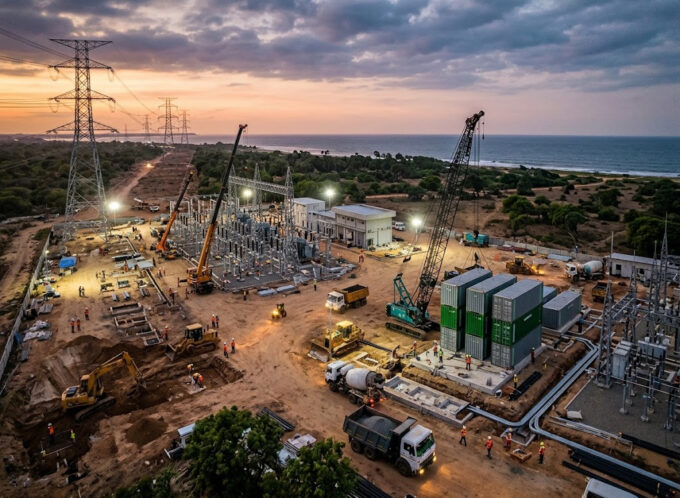
Instead of proceeding with the proposed Sinopec investment under the disputed conditions, the Committee has supported expanding the existing Sapugaskanda oil refinery under Sri Lankan ownership and operation. The proposed alternative is expected to strengthen domestic refining capacity, reduce dependence on imported refined petroleum products and retain a greater share of the petroleum value chain within the country.
An expansion of Sapugaskanda could also help reduce the country’s exposure to fluctuations in international refined petroleum prices while strengthening domestic control over critical energy infrastructure.
However, the scale of investment required, financing arrangements and technical feasibility would remain important considerations in pursuing such an alternative.
The recommendation marks a significant setback for Sinopec’s proposed refinery project, which had been presented as one of Sri Lanka’s major prospective investments in the energy sector.
The proposed agreement had been the subject of negotiations between the Government and Sinopec, with disagreements over land requirements, investment conditions, tax concessions and the proposed operating framework emerging as key issues.
While the CANC has recommended permanent cancellation, the final decision will rest with the Government and the relevant authorities.
The recommendation also raises broader questions about how Sri Lanka intends to attract large-scale foreign investment while protecting public revenue, environmental standards and strategic national interests.
For a country heavily dependent on imported petroleum products, the future of domestic refining capacity remains a critical component of efforts to strengthen energy security and reduce external vulnerabilities.











Leave a comment