
By The Pulseline News Desk
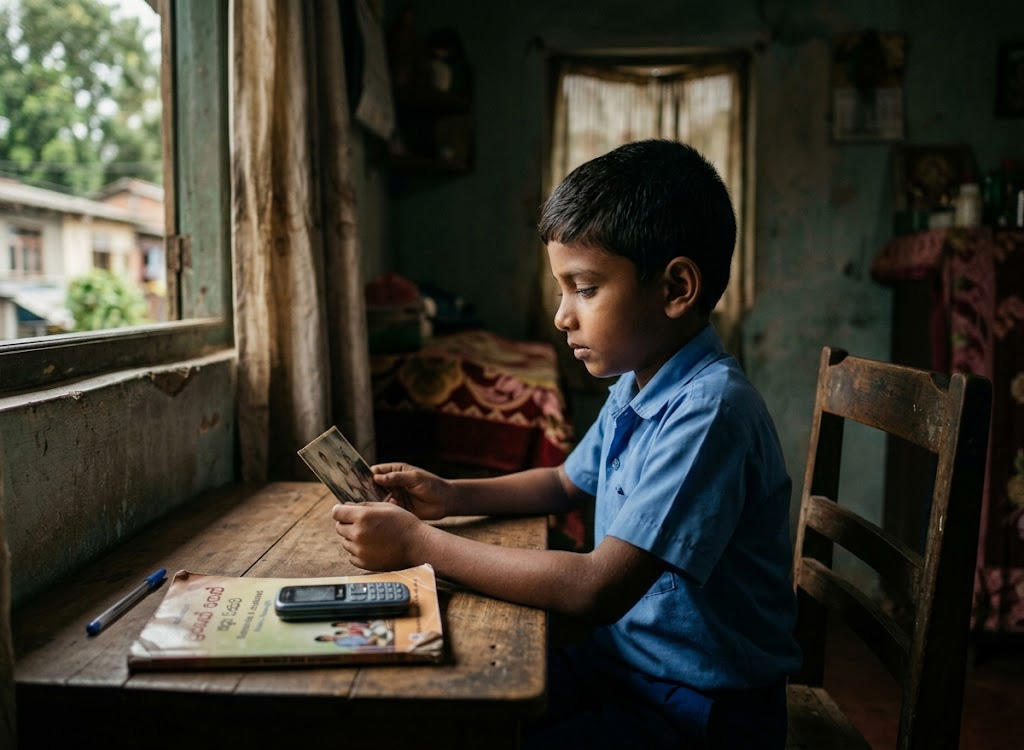
Reported child abuse cases in Sri Lanka have continued to rise, with 6,615 complaints recorded by August this year, compared to 5,858 during the same period last year and 5,725 in 2024.
Child protection officials, however, have cautioned that the figures represent reported complaints and that the actual number of incidents is likely to be considerably higher.
Neglect and failure to provide care and protection has remained the most common complaint category over the past three years, followed by child cruelty, failure to send children to school and child sexual abuse. Cyber harassment, child labour and child trafficking-related complaints are also reported.
Complaints are highest in Colombo, followed by Gampaha, Kurunegala, Ratnapura and Anuradhapura. The National Child Protection Authority (NCPA) has said this does not necessarily indicate higher rates of abuse in these districts, as population density, greater awareness and public confidence in reporting mechanisms can result in more complaints being recorded.
The data also suggests that complaints tend to peak during June and July. Experts have said high temperatures, which can increase stress and irritability, may be one contributing factor among several, although the seasonal pattern requires further examination.
Online abuse adds new challenge
Cyberbullying and threats involving explicit photographs have emerged among significant complaints this year.
Lawyer and activist Jerusha Thambiyah has reportedly warned of a growing circulation of child sexual abuse material (CSAM) involving children and family members, including incest-related content.
She has said generative AI could make abusive material easier to create, while encrypted platforms such as Signal and Telegram can make perpetrators more difficult to identify.
Thambiyah has also called for stronger laws to deal with online violence, noting that some proposed legislation has yet to be enacted.
Family and social factors
NCPA Director of Law Enforcement Sajeewani Abeykoon has said poverty and lack of education and awareness contribute to many cases, but abuse also occurs in middle-class families.
She has stressed the importance of teaching children about bodily autonomy from an early age, including how to recognise inappropriate touching, say no and move away from unsafe situations.
Criminologist and Crime Prevention Foundation Co-Chair Professor Anusha Edirisinghe has said poverty, unemployment, residential instability and weakened community ties can create conditions in which abuse becomes more likely.
She has also identified family breakdown, parental absence and overseas migration as significant risk factors.
Research conducted by one of her students in Anuradhapura had found unemployment, financial difficulties and broken families in all the child abuse cases examined.
Prevention over reaction
Edirisinghe has pointed to a child protection programme conducted by the Southern Province Police Division in Elpitiya, Galle, Matara and Tangalle as an example of a more proactive approach.
The programme had surveyed around 7,400 households and identified 2,836 children from vulnerable families as high-risk.
Police officers have assessed the families’ social and economic circumstances and linked them with support, including vocational training for 1,290 families, nutritional assistance for 790 children and educational assistance for 310.
Edirisinghe has said the programme demonstrated how policing can move beyond responding to abuse after it occurs towards protective monitoring and prevention.
With reported cases continuing to increase and online exploitation creating new risks, child protection experts have noted Sri Lanka’s response must go beyond prosecution to include early intervention, stronger family support, digital safety education and systematic monitoring of vulnerable children.











Leave a comment