
By The Pulseline News Desk
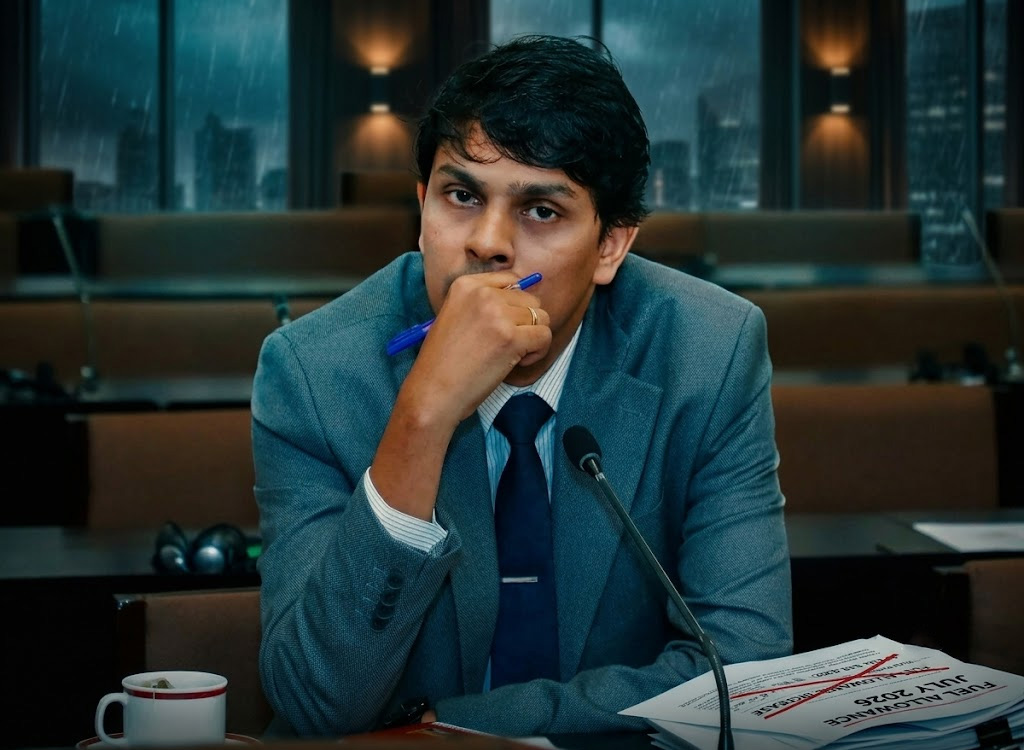
Independent member of parliament (MP) Ramanathan Archchuna has triggered fresh political debate after publishing what he claims are copies of his parliamentary salary slips showing a significant increase in his monthly fuel allowance between June and July 2026.
In a social media post, Archchuna has alleged that MPs had received additional payments and questioned the government’s commitment to fiscal discipline.
According to the documents shared by Archchuna, his fuel allowance had increased from Rs. 179,707.93 in June to Rs. 244,300.46 in July, representing an increase of approximately Rs. 64,600. The documents also indicate that his gross monthly payment had increased from Rs. 412,492.93 in June to Rs. 484,585.46 in July.
The disclosure has reignited public scrutiny of parliamentary allowances at a time when the National People’s Power (NPP) government continues to project an image of fiscal responsibility, transparency and reduced political privileges.
Although no official explanation has yet been issued regarding the apparent increase, the revelation has prompted questions over whether the adjustment resulted from an existing formula governing fuel reimbursements, revisions to parliamentary entitlements or another administrative mechanism.
The issue is expected to provide fresh ammunition for the Opposition, which has repeatedly accused the government of failing to match its promises of austerity with the benefits enjoyed by elected representatives. Critics are likely to argue that any increase in MPs’ allowances sits uneasily with the government’s calls for economic discipline and continued public sacrifice under ongoing reforms.
At the same time, government supporters contend that parliamentary allowances are governed by established procedures and may fluctuate in line with approved formulas rather than discretionary political decisions. Whether the increase reflects such an automatic adjustment remains unclear.
Political analysts note that the controversy is likely to be judged as much by public perception as by the technical justification for the payment.
The NPP administration came to power pledging to overhaul political culture, curb wasteful expenditure and restore confidence in public institutions. Consequently, even routine revisions to parliamentary benefits are likely to attract heightened public attention.
With the documents now circulating widely on social media, pressure is mounting on Parliament or the relevant authorities to clarify the basis for the increase. Until then, the disclosure is likely to remain another flashpoint in the broader debate over political accountability, transparency and the privileges afforded to public representatives during a period of continued economic hardship.









Leave a comment