
By The Pulseline News Desk
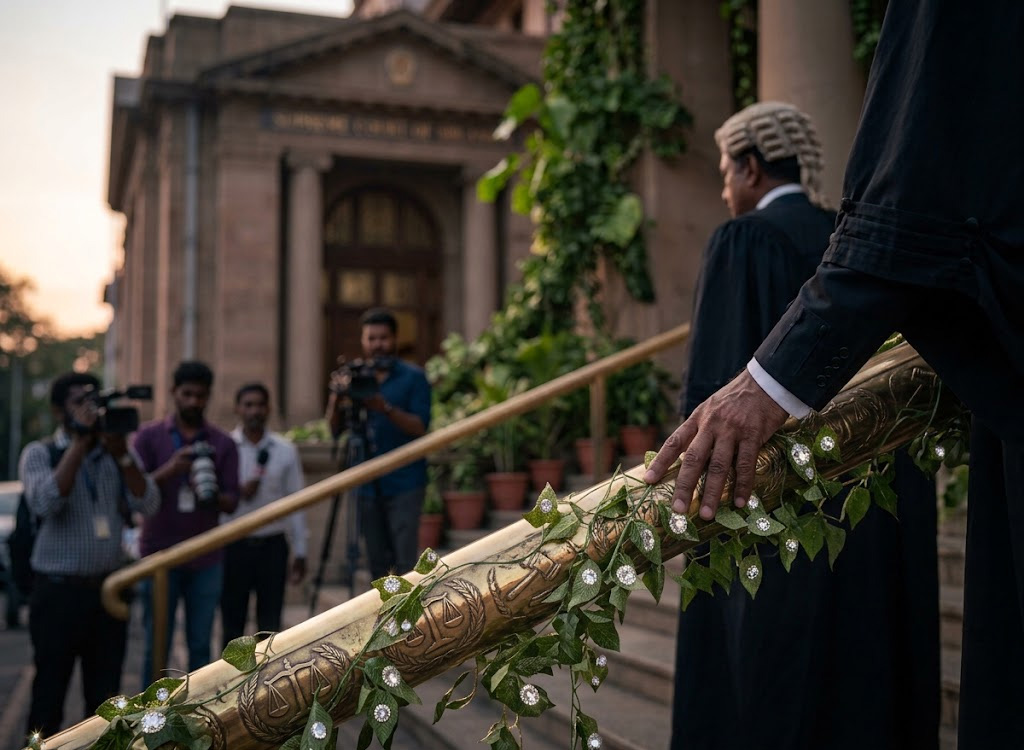
The United Nations Human Rights Office has raised concerns over the proposed extension of the retirement age of Sri Lanka’s Supreme Court and Court of Appeal judges, warning that judicial tenure and conditions of service must be protected from executive interference.
In its latest report on Sri Lanka, the Office of the UN High Commissioner for Human Rights (OHCHR) noted concerns expressed by the Judicial Service Association of Sri Lanka, the Colombo High Court Lawyers’ Association and the Bar Association of Sri Lanka over the Government’s proposed constitutional amendments concerning the retirement age of superior court judges.
The report, published in advance unedited form on 3 September ahead of the 63rd session of the UN Human Rights Council (UNHRC), stressed that judicial independence depends not only on formal guarantees but also on protecting judges from actual or perceived political influence.
The UN Special Rapporteur on the Independence of Judges and Lawyers has consistently maintained that judges’ tenure, conditions of service and retirement age should be secured by law and protected from executive interference.
The Special Rapporteur has also stressed the importance of meaningful consultation and appropriate transitional arrangements when changes affecting judicial tenure are considered.
The OHCHR report said international human rights standards require judicial career processes to be insulated from political influence, while both actual and perceived judicial independence are essential to maintaining public confidence in the administration of justice.
The warning comes amid a growing dispute over the NPP Government’s proposed changes to the retirement age of Supreme Court and Court of Appeal judges, with the legal profession raising concerns over the potential impact on judicial independence.
Public Prosecutor promise remains pending
The report also highlights another unfulfilled commitment of the NPP Government — the creation of an independent Office of the Public Prosecutor.
The Government had pledged to separate prosecutorial functions from the Attorney General’s Department and establish an independent institution responsible for public prosecutions.
A technical committee was appointed in early 2025 to examine the legal framework required for such an office and prepare recommendations for new legislation.
However, according to the OHCHR, there has been no reported progress towards establishing the proposed Office of the Public Prosecutor or putting it into operation.
The two issues — judicial independence and prosecutorial independence — are central to the broader institutional reforms promised by the NPP Government.
The latest UN assessment suggests that while the Government has presented major reforms as part of its commitment to good governance and the rule of law, several of the most significant institutional changes remain at the planning stage.
As the UNHRC prepares to examine Sri Lanka’s record, the report places renewed focus on whether the Government’s reform agenda will strengthen independent institutions or create new concerns over political influence in the justice system.










Leave a comment