
By Milinda Moragoda
Diplomatic goodwill must be matched by appropriate facilities, veterinary care and sustained professional management. After all, our shared natural history and future are at stake.
India and Sri Lanka have long drawn upon their shared history, religious traditions and strategic geography to strengthen their relationship. Yet one dimension remains relatively unexplored: their natural heritage; the two countries share similar wildlife and environmental conditions. Wildlife conservation could open a new avenue for bilateral cooperation, combining scientific expertise with practical solutions to environmental challenges.
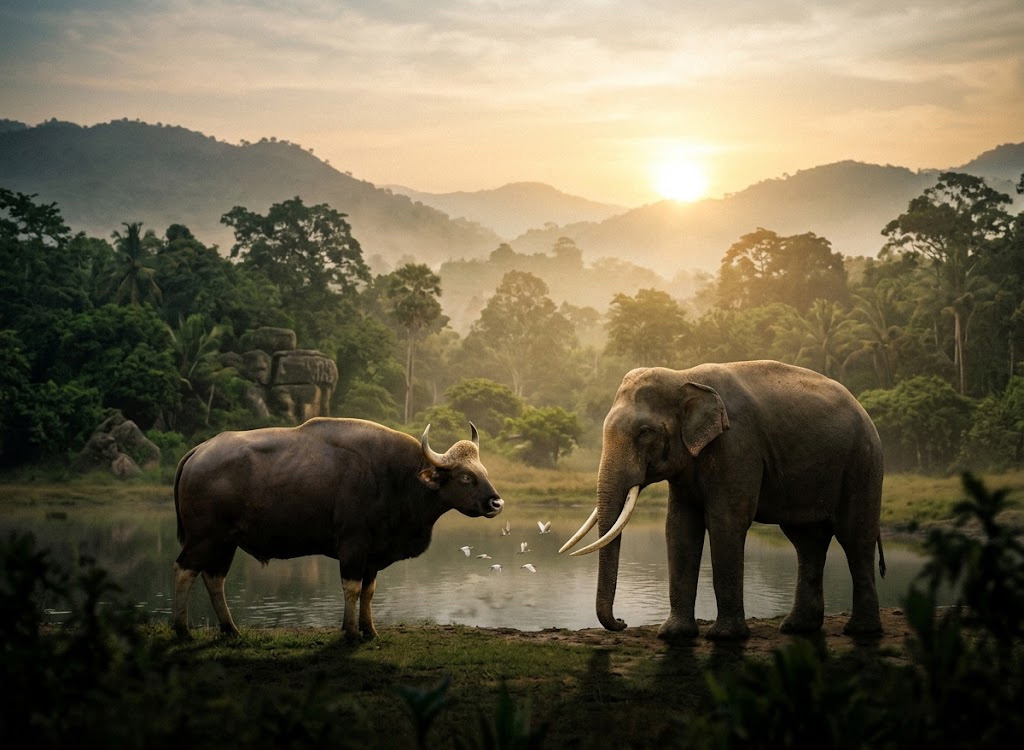
The gaur, commonly known as the Indian bison, offers an intriguing starting point.

The world’s largest living wild cattle species, the gaur once inhabited Sri Lanka. In his 1681 account, An Historical Relation of the Island Ceylon, English East India Company sailor Robert Knox described an animal he called the “Gauvera”, which he had seen among the animals kept by the Kandyan king. The Sinhala name gavara also survives in several place names across the country, including Gawaragane, Gawaragiriya, Gawarammana, Gawarawela and Gawaratenna. These historical and geographical references offer a compelling reminder of a species that once formed part of the island’s natural heritage. The animal has since been extirpated from the island.
But perhaps Sri Lankans could encounter this magnificent beast once more, initially in a suitable zoological setting? Could such an initiative become the starting point for a wider partnership in biodiversity conservation?
Conservation and coexistence

The death of the tusker Kavantissa following a gunshot injury prompted an outpouring of public grief in Sri Lanka. Elephants occupy a special place in the country’s Buddhist heritage. Majestic tuskers carry sacred relics at temple festivals across the island, most notably during Kandy’s annual Esala Perahera, when a richly caparisoned tusker carries the Sacred Tooth Relic of the Buddha. The elephant is, therefore, not merely part of Sri Lanka’s wildlife, but also an important symbol of its religious and cultural identity.
Yet the country’s challenge extends beyond protecting individual animals. Human–elephant conflict continues to claim lives and destroy crops, while monkeys, peacocks, porcupines and other animals impose substantial costs on farming communities across the island. Protecting biodiversity and protecting rural livelihoods must be treated as complementary objectives.
India, too, faces similar challenges. Both countries could benefit from exchanging experience in habitat management, crop protection and measures to reduce conflict between people and wildlife.
The elephants gifted to Sri Lanka by Thailand illustrate another responsibility. Thailand repatriated Sak Surin (known in Sri Lanka as Muthu Raja) in 2023 following welfare concerns, while subsequent discussions over other gifted elephants have highlighted the obligations accompanying international animal transfers.
Diplomatic goodwill must be matched by appropriate facilities, veterinary care and sustained professional management. After all, our shared natural history and future are at stake.
Building on existing cooperation
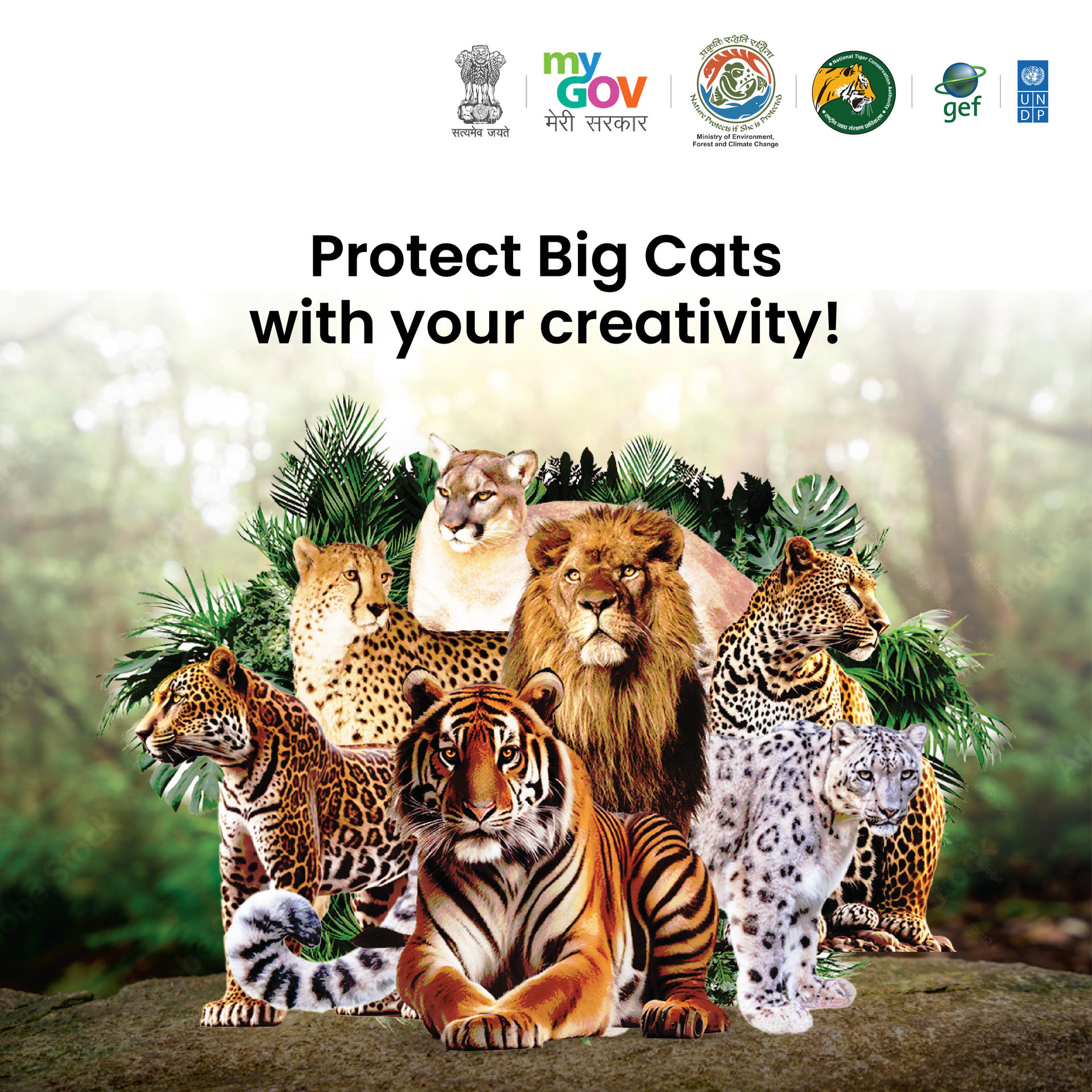
India and Sri Lanka need not begin from scratch. Sri Lanka’s participation in India’s International Big Cat Alliance, which was launched in 2023 by Prime Minister Narendra Modi, provides an existing platform for conservation cooperation. The alliance promotes the conservation of seven major big-cat species and their habitats, creating opportunities for scientific collaboration, knowledge-sharing as well as wildlife diplomacy.
Sri Lanka also possesses a capable and energetic community of wildlife experts, researchers, naturalists and enthusiasts. Established conservation organisations, universities and dedicated volunteers provide a valuable foundation for expanding this cooperation. The country has considerable expertise and experience to contribute to wildlife protection and conservation and not merely to receive assistance.
The gaur could provide a practical next step. A feasibility study involving zoological authorities and Indian and Sri Lankan conservation institutions would need to assess animal welfare, veterinary capacity, suitable facilities, breeding requirements and long-term costs. Maintaining genetic diversity would be essential for a viable captive population.
If the findings were favourable, the two governments could explore whether India might provide animals, technical expertise or other assistance, subject to conservation priorities and regulatory approval. A suitable zoological institution in Sri Lanka could be considered following professional evaluation.
The immediate objective should be a well-managed captive herd serving conservation, research and education. This must be distinguished from releasing gaur into the wild, which would raise far more complex ecological and human-safety concerns. Any future consideration of a more natural but enclosed setting would require separate assessment. A release into the wild should not be an assumed endpoint.
From one species to a wider partnership

India and Sri Lanka could build on this beginning through joint research, professional exchanges, veterinary cooperation and practical work to reduce human–wildlife conflict.
A working group involving wildlife departments, zoological institutions, universities and conservation organisations could identify projects, assign responsibilities and evaluate results.
The emphasis should be on measurable benefits, appropriate safeguards and long-term management, rather than an indiscriminate exchange of animals or the creation of unnecessary institutions. A modest programme delivering tangible results would be a credible starting point.
India–Sri Lanka relations are multifaceted, shaped by economic cooperation, security, trade, investment, culture and connectivity. But a mature relationship can also encompass initiatives that bring institutions and communities together around shared interests.
The gaur offers an evocative place to begin. Its possible return to Sri Lanka in a carefully managed captive setting would reconnect the present with a largely forgotten part of the island’s natural history. Whether this is feasible must be decided by conservation professionals, not diplomatic enthusiasm alone.
India and Sri Lanka have long drawn upon their shared history to strengthen their relationship. They could now draw upon their shared natural heritage to build its next chapter.
(Milinda Moragoda founder of the Pathfinder Foundation, a strategic affairs think tank. tweets @MilindaMoragoda. can be contacted via [email protected])
Disclaimer: The views and opinions expressed in this article are those of the writer and do not necessarily reflect the official position of this publication.











Leave a comment