
By The Pulseline News Desk
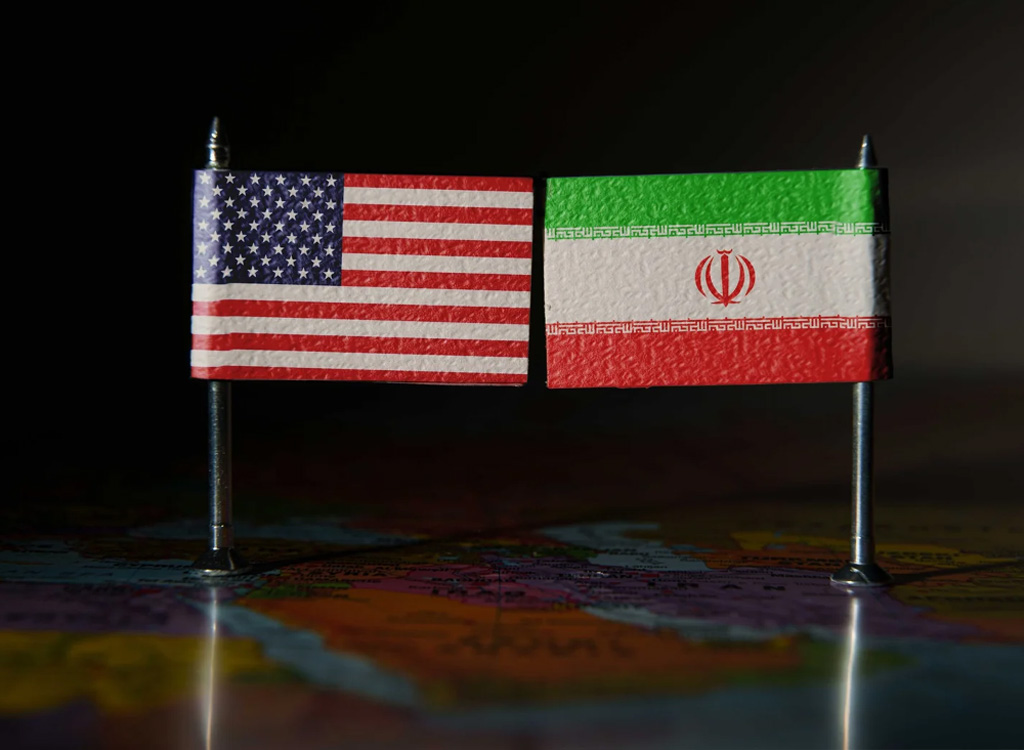
After years of economic pressure, diplomatic deadlock and escalating tensions, Iran and the United States US) have reportedly finalised an agreement that will allow the release of approximately $12 billion in frozen Iranian assets, marking a significant development in one of the world’s most complex geopolitical relationships.
The agreement, which follows months of indirect negotiations and international mediation efforts, is being viewed as a rare breakthrough between two countries whose relations have remained strained for more than four decades.
While the deal does not represent a full normalisation of ties, analysts say it could open the door to further diplomatic engagement on issues ranging from regional security to sanctions and nuclear negotiations.
For Iran, the release of the funds comes at a crucial time. The country’s economy has faced years of pressure from international sanctions, currency instability and inflation, leaving many sectors in need of investment and financial support.
The assets, frozen abroad under sanctions regimes and financial restrictions, represent a substantial source of capital that could help ease economic challenges and strengthen government finances.
Iranian officials have long argued that the funds belong to the Iranian people and should not be subject to political disputes. The recovery of the assets is therefore likely to be presented domestically as a diplomatic and economic victory.
For Washington, the agreement reflects a broader strategy of managing tensions through limited engagement rather than direct confrontation. US policymakers have repeatedly emphasised that diplomatic channels remain necessary even amid deep disagreements over Iran’s nuclear programme, regional influence and human rights concerns.
The release of the funds is expected to be accompanied by mechanisms designed to ensure transparency and regulate how the money is used. Previous arrangements involving frozen Iranian assets have often included restrictions intended to channel funds toward humanitarian needs such as food, medicine and essential imports.
Observers note that the details of implementation will be closely scrutinised by both supporters and critics of the deal.
Supporters argue that easing access to frozen assets can help alleviate economic hardship among ordinary Iranians while creating incentives for continued diplomatic engagement. They contend that dialogue and negotiated agreements are more effective than prolonged isolation in addressing longstanding disputes.
Critics, however, may question whether the agreement risks providing financial resources to a government that remains at odds with the US and several of its allies. Some lawmakers and regional partners have historically opposed similar arrangements, arguing that economic concessions should be tied to broader policy changes.
The agreement also carries wider implications for the Middle East.
Regional powers will be watching closely to assess whether the deal signals a broader diplomatic opening between Tehran and Washington. Any sustained improvement in relations could influence calculations on security, energy markets and regional conflicts, all of which have been shaped by decades of hostility between the two countries.
Financial markets are also likely to monitor developments carefully. Although the release of the assets may not immediately transform global energy markets, improved economic conditions in Iran could eventually influence investment decisions, trade flows and energy production capacity.
The deal arrives at a time when both governments face competing domestic and international pressures. For Iran, economic recovery remains a key priority. For the US, balancing strategic interests, regional stability and diplomatic engagement continues to be a delicate challenge.
Whether the agreement becomes a stepping stone toward broader negotiations or remains a limited financial arrangement will depend on developments in the months ahead.
What is clear, however, is that the release of $12 billion in frozen assets represents more than a financial transaction. It is a reminder that even in periods of deep mistrust, diplomacy can still produce openings where politics alone often reaches an impasse.
(With input from news agencies)









Leave a comment