
By The Pulseline News Desk
As the monsoon rains continue to create ideal breeding conditions for mosquitoes, health authorities have sounded the alarm over the growing threat of dengue, declaring 538 Grama Niladhari (GN) divisions across 14 districts as high-risk zones.
The designation comes amid heightened concerns over the spread of the mosquito-borne disease, which remains one of the country’s most persistent public health challenges. Officials have announced that intensified surveillance, inspections and mosquito control operations will be carried out in the identified areas to curb transmission and prevent a further rise in infections.
The latest assessment paints a worrying picture, particularly in the Western Province, where densely populated urban and suburban communities continue to bear the brunt of the outbreak risk.
Colombo, Gampaha and Kalutara districts account for a significant share of the high-risk locations, reflecting the challenges of controlling mosquito breeding in rapidly urbanising areas where population density, construction activity and poor waste management can create ideal conditions for the spread of dengue.
In the Colombo District, multiple Medical Officer of Health areas – including Colombo city and surrounding suburban localities such as Maharagama, Homagama, Kaduwela, Piliyandala, Boralesgamuwa and Dehiwala – have been identified as vulnerable zones requiring urgent intervention.
Neighbouring Gampaha District has also emerged as a major hotspot, with high-risk GN divisions reported in areas including Negombo, Wattala, Kelaniya, Ragama, Minuwangoda, Seeduwa, Mahara and Biyagama.
Meanwhile, several towns in Kalutara District, including Panadura, Wadduwa, Kalutara, Horana and Bandaragama, have been placed under increased monitoring and control measures.
The concern is not limited to the Western Province. Health officials have also identified high-risk areas in Galle, Hambantota, Matara, Kandy, Matale, Ratnapura, Kegalle, Kurunegala, Puttalam, Badulla and Batticaloa, indicating that dengue remains a nationwide challenge affecting both urban and rural communities.
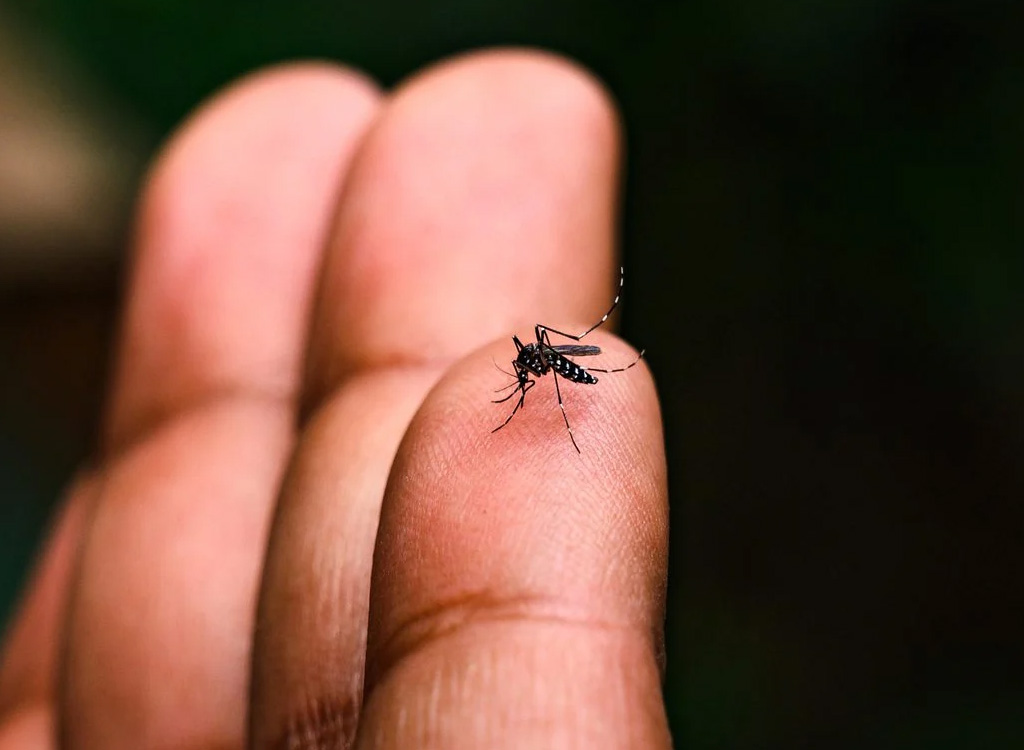
Dengue is transmitted primarily through the bite of infected Aedes mosquitoes, which breed in stagnant water commonly found in discarded containers, clogged drains, construction sites, rooftop gutters and water storage vessels.
Public health experts warn that the disease has evolved into a recurring seasonal threat, with outbreaks often intensifying during and after periods of heavy rainfall.
While many patients recover after experiencing fever, headaches, joint pain and fatigue, severe dengue can lead to dangerous complications, including internal bleeding, organ failure and, in some cases, death if treatment is delayed.
For health authorities, controlling dengue requires more than hospital preparedness. Prevention remains the most effective weapon.
Officials stress that mosquito control efforts cannot succeed through government intervention alone. Residents are being urged to inspect their homes and workplaces regularly, remove stagnant water sources and cooperate with inspection teams conducting awareness and enforcement activities in affected communities.
The declaration of high-risk GN divisions allows authorities to concentrate resources where transmission risks are greatest. Special clean-up campaigns, larval inspections, fogging operations and public awareness programmes are expected to be intensified in the identified locations.
Health officials note that even small collections of water can serve as breeding sites. A discarded plastic cup, an old tyre or an uncovered water container can produce hundreds of mosquitoes capable of spreading the disease within a neighbourhood.
The challenge is particularly acute in densely populated urban areas, where close proximity between households enables mosquitoes to spread infections rapidly from one community to another.
Medical professionals also caution against complacency. Although dengue has become a familiar term in Sri Lankan households, its impact on families, schools and workplaces remains significant. Every outbreak places additional pressure on hospitals and healthcare workers, especially during periods of increased patient admissions.
The latest declaration of 538 high-risk GN divisions serves as both a warning and a call to action.
As authorities intensify their response, the success of the campaign will depend heavily on community participation. Eliminating breeding sites, maintaining clean surroundings and seeking early medical attention when symptoms appear remain crucial steps in reducing the disease’s impact.
For now, health officials hope that a coordinated effort between government agencies and the public can prevent high-risk areas from becoming the epicentres of the next major dengue outbreak.













Leave a comment