
By The Pulseline News Desk
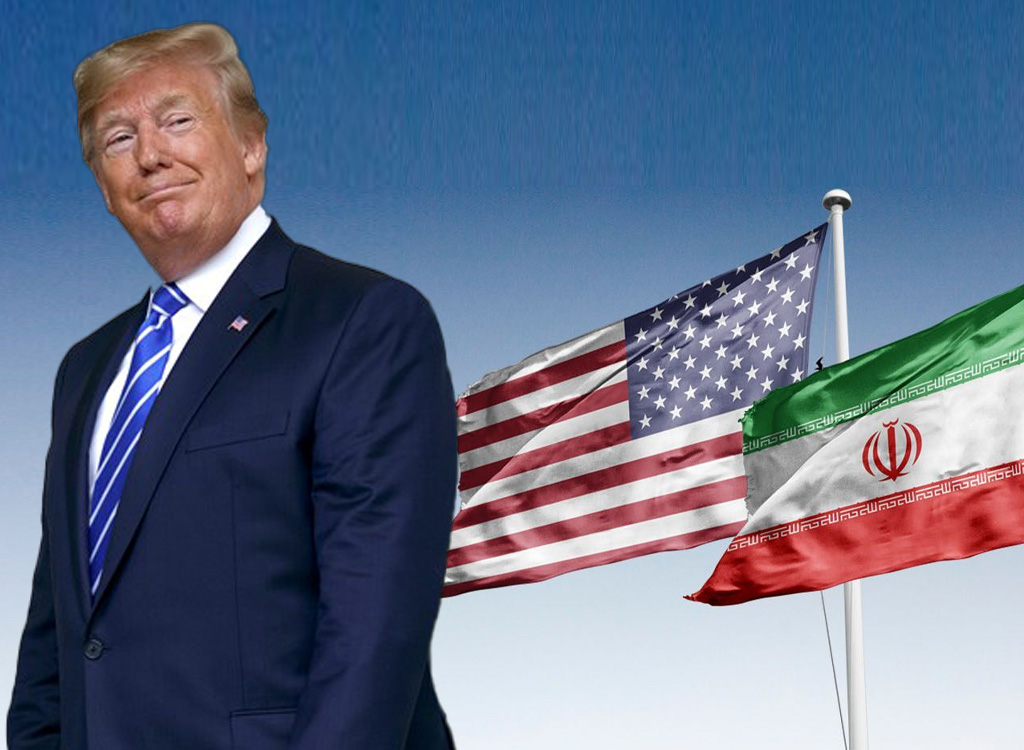
After months of military confrontation, economic disruption and escalating fears of a wider Middle East war, U.S. and Iranian negotiators have reached a tentative agreement that could extend a fragile ceasefire and reopen negotiations over Tehran’s nuclear programme. Yet the breakthrough remains uncertain, hinging on one decisive factor: President Donald Trump’s approval.
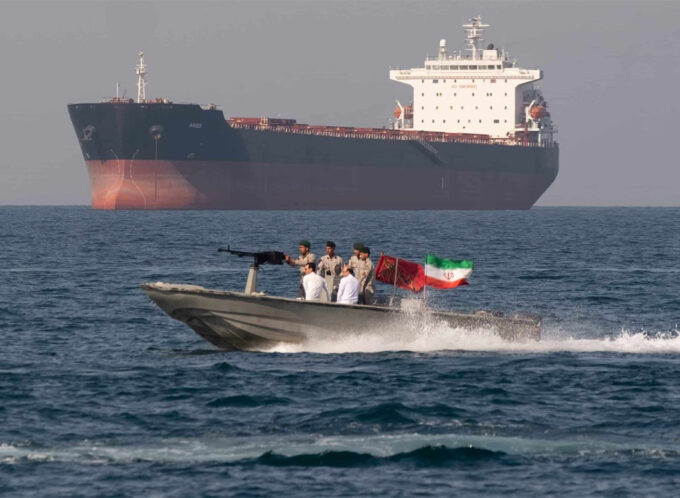
Officials familiar with the talks said negotiators agreed in principle to a 60-day extension of the current ceasefire framework while launching a new round of nuclear discussions aimed at curbing Iran’s stockpile of highly enriched uranium. The emerging memorandum of understanding would also seek to stabilise shipping through the Strait of Hormuz, a strategic waterway that carries a significant share of the world’s oil supply.
The agreement, however, is not yet official. Trump has not signed off on the proposal, and Iranian leaders have publicly avoided confirming the deal, underscoring the deep mistrust that continues to define relations between Washington and Tehran.
“We have broad outlines,” one U.S. official told reporters, “but until the president approves it, there is no deal.”
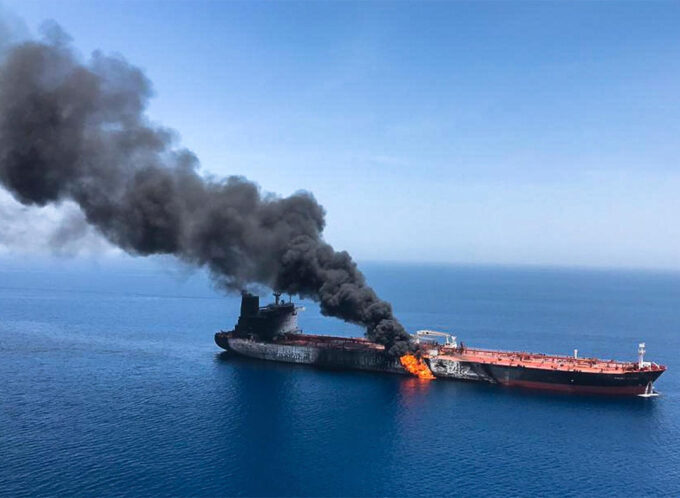
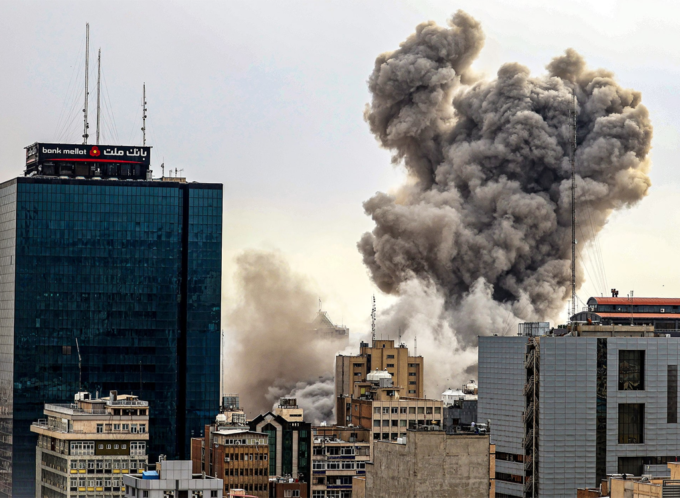
The tentative accord marks the closest the two adversaries have come to a diplomatic breakthrough since the outbreak of the 2026 conflict, which grew out of failed nuclear negotiations, military escalation in the Gulf, and repeated attacks linked to the Strait of Hormuz crisis. What began as pressure tactics evolved into open confrontation involving airstrikes, naval blockades and retaliatory missile attacks that rattled global markets and alarmed U.S. allies across the region.
Now, both sides appear to be searching for an exit ramp.
Under the proposed framework, Iran would reportedly guarantee unrestricted maritime passage through the Strait of Hormuz and begin discussions on the future of its nuclear infrastructure. In return, the U.S. would consider limited sanctions relief and the possible release of frozen Iranian assets.
For Trump, the political stakes are substantial. The president, who withdrew the U.S. from the 2015 Iran nuclear deal during his first term, has long portrayed himself as both a hardline negotiator and a dealmaker capable of ending conflicts others could not. Any agreement with Tehran risks criticism from Republican hawks who argue Iran should face greater military and economic pressure, not renewed diplomacy.
At the same time, the White House faces mounting pressure to calm oil markets and reduce fears of a prolonged regional war. Rising fuel prices and instability in global shipping lanes have fueled concerns among voters and businesses alike.
Inside Iran, the calculations are equally delicate. Tehran has consistently insisted it will not surrender its right to uranium enrichment, while also seeking relief from sanctions that have battered its economy. Iranian officials have repeatedly denied pursuing nuclear weapons, even as Western governments warn that the country’s expanding uranium stockpile shortens the path toward weapons capability.
Diplomats caution that previous negotiations between Washington and Tehran have repeatedly collapsed at the final stage. Even supporters of the current talks acknowledge that the path from tentative agreement to lasting peace remains uncertain.
Still, after months of threats, airstrikes and brinkmanship, the possibility of direct nuclear talks represents a rare diplomatic opening.
(With input from news agencies)









Leave a comment