
By The Pulseline News Desk
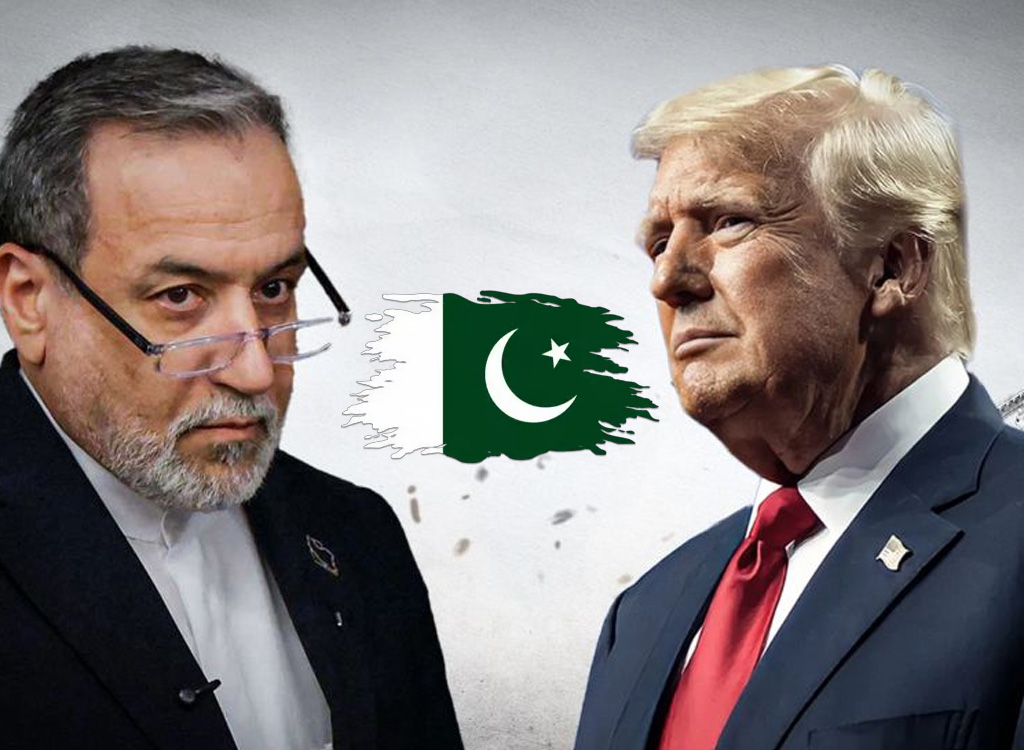
In a development that underscores both urgency and optimism, Iran has sent a fresh proposal to the United States (U.S.) this time through an unlikely but increasingly central intermediary, Pakistan.
The move reflects a familiar reality of U.S.-Iran relations. With formal diplomatic ties absent since the aftermath of the Iranian Revolution, communication has often depended on quiet channels and third-party brokers. Now, amid heightened tensions and fragile ceasefire conditions, those channels are once again doing the heavy lifting.
A proposal shaped by pressure
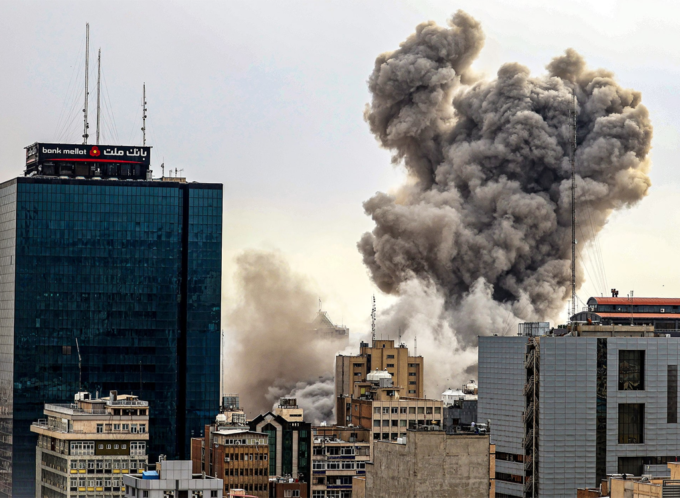
Tehran’s latest offer appears to be calibrated for a moment of strain. Economic sanctions continue to weigh heavily on the Iranian economy, while regional instability, particularly around the strategically vital Strait of Hormuz, has amplified global concern.
Although the full details of the proposal have not been publicly disclosed, early indications suggest a shift in tone. Rather than demanding sweeping concessions upfront, Iran is believed to be exploring phased steps, potentially linking de-escalation in the Gulf with incremental sanctions relief.
This kind of sequencing is not new, but it marks a departure from more rigid positions seen in recent months. It also signals an awareness in Tehran that maximalist demands may no longer be viable in a rapidly shifting geopolitical environment.
Pakistan steps into the spotlight
For Islamabad, the role of mediator is both an opportunity and a test. Pakistan has maintained working relationships with both Tehran and Washington, positioning itself as a pragmatic conduit at a time when trust is scarce.
Diplomatic observers say Pakistan’s involvement is less about grand strategy and more about practicality. It offers discretion, plausible deniability, and crucially a line of communication that both sides are willing to use.
This is not the first time a third country has played such a role. Oman and Switzerland have historically facilitated indirect talks. But Pakistan’s recent prominence reflects shifting regional dynamics, including its own interest in stability along its western border and across the broader Gulf.
Washington’s calculated response
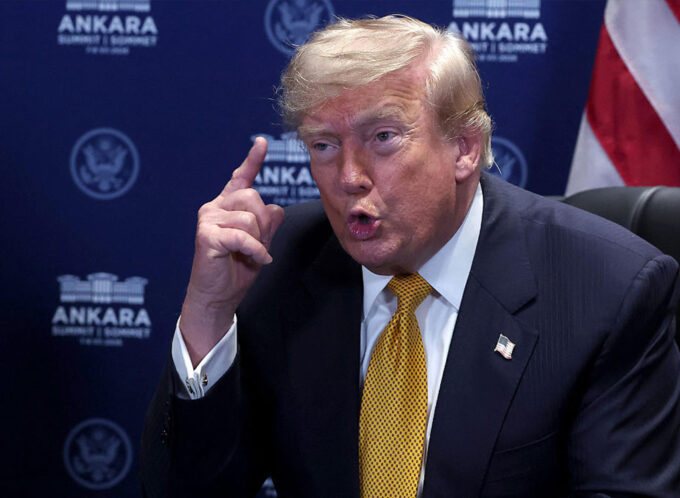
The U.S. has yet to formally endorse the proposal, and early signals suggest a cautious, if not skeptical, stance. Longstanding concerns remain at the forefront, particularly regarding Iran’s nuclear ambitions and its regional posture.
At the center of this debate is the legacy of the Joint Comprehensive Plan of Action, the landmark agreement that once offered a framework for limiting Iran’s nuclear programme in exchange for sanctions relief. Its unraveling in recent years continues to cast a long shadow over any new diplomatic initiative.
For Washington, any renewed engagement must address what officials describe as “structural gaps” in previous agreements, especially around enforcement and verification. For Tehran, those same demands often appear as attempts to impose unilateral constraints.
The global stakes
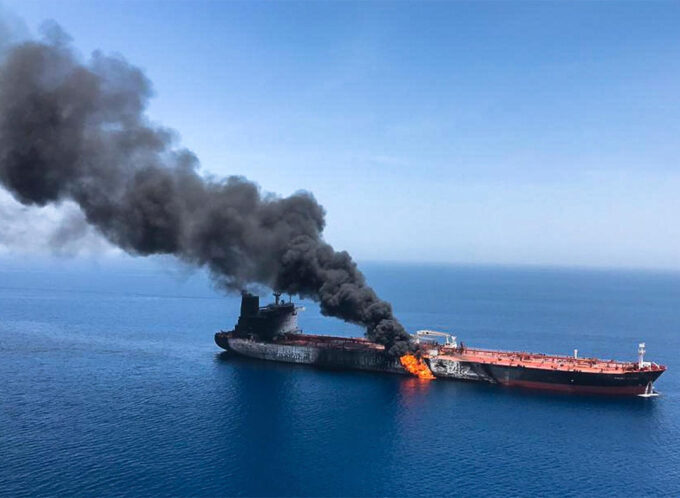
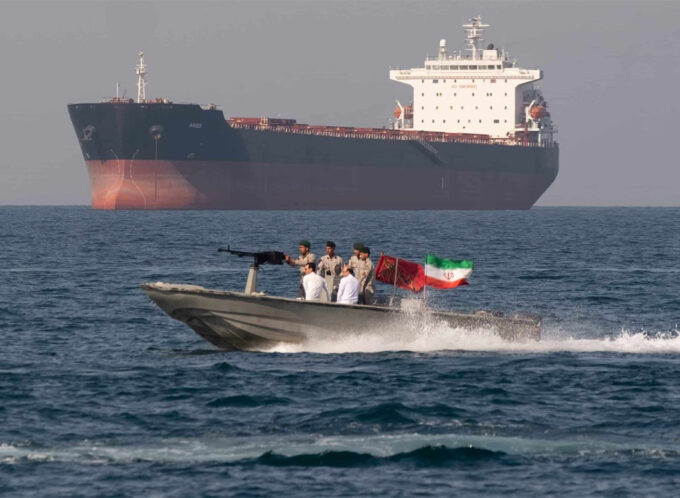
Beyond bilateral tensions, the implications of this proposal ripple outward. The Strait of Hormuz remains one of the world’s most critical energy corridors, with a substantial share of global oil shipments passing through its narrow waters.
Even limited disruptions there can trigger volatility in global markets, affecting everything from fuel prices to supply chains. As a result, the international community is watching closely, not just for signs of conflict, but for any hint of stabilisation.
Diplomacy in the shadows
If there is a defining feature of this moment, it is ambiguity. Neither a breakthrough nor a breakdown is imminent. Instead, what emerges is a familiar pattern: cautious overtures, mediated exchanges, and incremental steps that may or may not lead to substantive talks.
Backchannel diplomacy rarely produces immediate results. But it serves a critical function: keeping dialogue alive when direct engagement is politically or strategically untenable.
For now, Iran’s latest proposal represents just that, a signal rather than a solution. Whether it evolves into meaningful negotiations will depend on choices made not only in Tehran and Washington, but also in the quiet corridors of intermediaries like Pakistan.
In a region where miscalculation can escalate quickly, even the smallest channel of communication can carry significant weight.








Leave a comment