
By The Pulseline News Desk
The crisis in the Strait of Hormuz is no longer just a maritime story. As tankers stall and shipping lanes fall silent, a parallel map is being drawn across deserts, mountains, and border towns – one where trade moves not by sea, but by road, rail, and pipeline.
What began as an emergency workaround is fast becoming something more enduring.
A chokepoint tightens
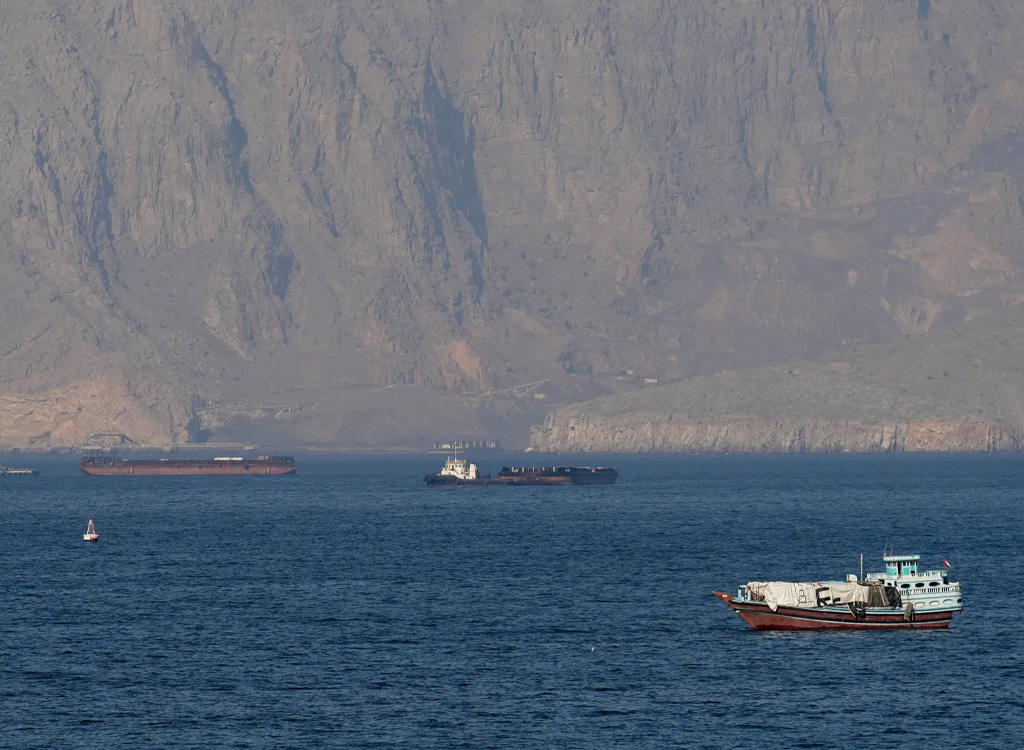
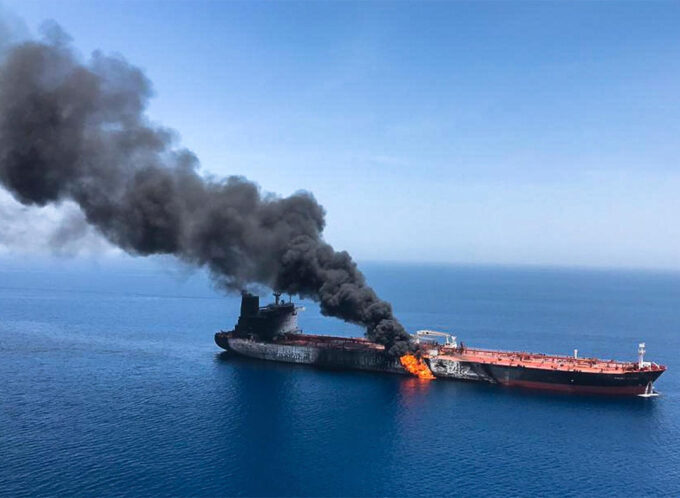
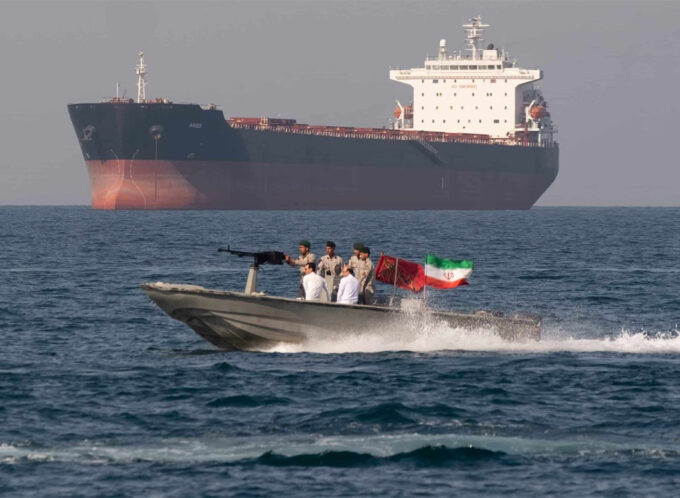
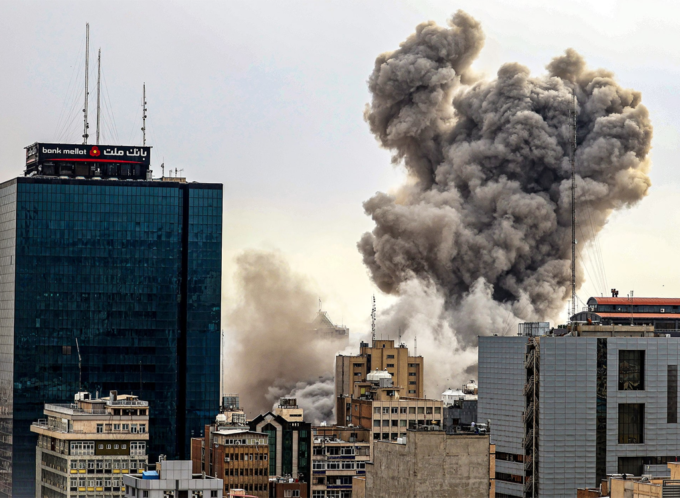
For decades, the Strait of Hormuz has served as the world’s most critical energy artery, carrying a significant share of global oil exports. Its disruption, amid confrontation between Iran and the United States (US), has forced an abrupt reckoning.
Ports along the Gulf are backed up with cargo. Tankers sit idle or are forced to reroute. Insurance costs have surged. For exporters and importers alike, the question is no longer when maritime trade will normalise, but how to adapt until it does.
Pakistan becomes a land bridge
Into this vacuum steps Pakistan, transforming geography into opportunity.
Long a peripheral player in Gulf trade logistics, Pakistan is now positioning itself as a crucial overland corridor. Goods arriving at its southern ports – Karachi and Gwadar – are being funneled westward by road into Iran, bypassing the blocked sea route.
Border crossings that once handled limited regional trade are now seeing a surge in activity. Truck convoys carry consumer goods, machinery, and essential supplies, recreating, on a smaller scale, the flow once handled by cargo ships.
For Islamabad, the shift brings economic opportunity and greater regional influence. For Tehran, it offers a vital economic lifeline.
Pipelines reawaken, railways reconsidered
Across the wider region, countries are turning to every available alternative.
Saudi Arabia is maximizing its East-West pipeline to move oil toward Red Sea ports. The United Arab Emirates (UAE) is relying on its pipeline network that bypasses Hormuz entirely.
Further north, Iraq is reviving export routes through Turkey, reconnecting to Mediterranean markets.
Rail transport is also re-entering the conversation, with renewed interest in regional links connecting Central Asia, Iran, and South Asia – projects that until recently were seen as long-term ambitions.
Limits of a land-based shift
Despite the momentum, overland routes remain a partial solution.
They are slower, more expensive, and constrained by infrastructure. Border delays, security concerns, and limited capacity all present challenges. A single disruption along a land corridor can halt movement in ways that global shipping networks are better equipped to absorb.
Most importantly, no combination of pipelines, railways, and trucking routes can fully replace the capacity of the Strait of Hormuz.
Energy markets are already reacting. Prices remain volatile, and supply chains are adjusting to longer, less predictable delivery times.
A lasting shift in motion?
History suggests that trade routes, once altered under pressure, rarely return entirely to their previous patterns.
Even if tensions between Iran and the US ease and maritime flows resume, the incentives created by this disruption, diversification, redundancy, and resilience are likely to persist.
In Pakistan, infrastructure tied to these corridors could outlast the crisis. Across the Gulf, countries are already reconsidering investments in alternative export routes.
What is emerging is not a replacement for maritime trade, but a rebalancing.
When sea lanes close, trade does not stop. It adapts, and in doing so, begins to redraw the map.










Leave a comment