

By The Pulseline News Desk
Oil markets surged after the United States (US) launched military strikes on Iran, reviving fears of supply disruptions in one of the world’s most critical energy-producing regions and sending shockwaves through financial markets.
Brent crude and US West Texas Intermediate futures climbed sharply, extending gains from the previous session as investors reacted to the escalating confrontation between Washington and Tehran. The rally pushed oil prices more than 5% higher over two days, reflecting growing concern that the conflict could threaten the flow of crude through the Strait of Hormuz, the narrow waterway that carries about one-fifth of global oil shipments.
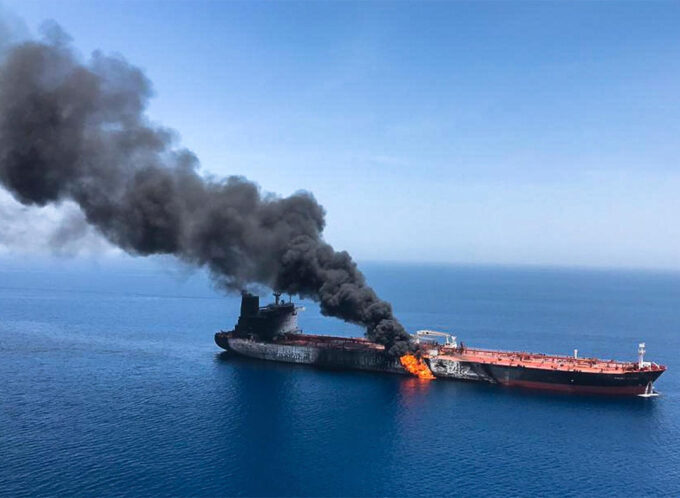
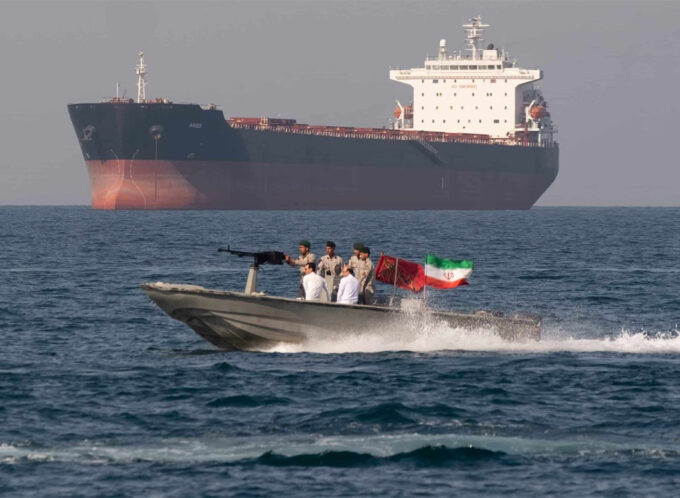
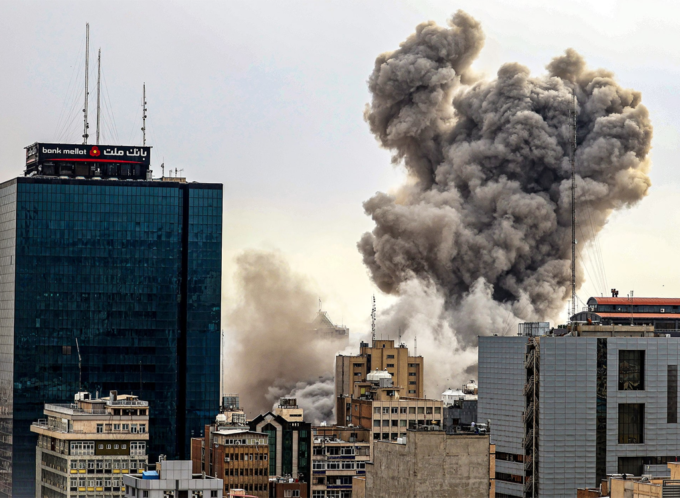
The latest market reaction followed US strikes on Iranian targets after attacks on commercial vessels in the Strait of Hormuz. The military exchange, followed by Iranian retaliatory action against US military facilities in the Gulf, has heightened fears that a prolonged conflict could disrupt shipping routes and tighten global energy supplies.
Energy markets have historically responded swiftly to geopolitical tensions in the Middle East, but the Strait of Hormuz occupies a unique position. Stretching only a few dozen kilometres at its narrowest point, it serves as the primary export route for crude oil from Saudi Arabia, Iraq, Kuwait, the United Arab Emirates (UAE) and other Gulf producers. Even the perception of heightened risk is often enough to trigger sharp price movements as traders factor in the possibility of supply interruptions.
The renewed volatility comes after weeks of relative stability in oil markets. Optimism surrounding diplomatic efforts between Washington and Tehran had previously pushed crude prices to their lowest levels in several months as traders anticipated steady supplies and softer demand. That sentiment has now reversed as military action replaces diplomacy, forcing investors to reassess the geopolitical risk premium built into oil prices.
Higher crude prices carry consequences far beyond energy markets. For oil-importing nations, rising prices increase fuel costs, widen trade deficits and add pressure to inflation at a time when many central banks remain focused on containing price growth. Airlines, transport companies and manufacturers are among the sectors most vulnerable to sustained increases in energy costs, while consumers may eventually face higher prices at fuel stations and across supply chains.
Financial markets reflected the growing uncertainty. While energy stocks benefited from rising crude prices, broader equity markets traded cautiously as investors weighed the economic implications of a prolonged regional conflict. Analysts noted that the scale of future price movements will depend largely on whether military operations remain limited or evolve into a wider confrontation involving major Gulf oil producers.
For now, the world’s attention remains fixed on the Strait of Hormuz. Any disruption to shipping through the strategic passage could tighten global oil supplies, push prices even higher and test the resilience of economies still navigating an uncertain global outlook.
As diplomacy gives way to military confrontation, the oil market has once again become an early barometer of geopolitical risk. Whether the current surge proves temporary or marks the beginning of a sustained rise in energy prices will depend not only on developments on the battlefield, but also on whether the world’s leading powers can prevent the crisis from escalating into a broader regional conflict.
(With input from news agencies)










Leave a comment