
By The Pulseline News Desk
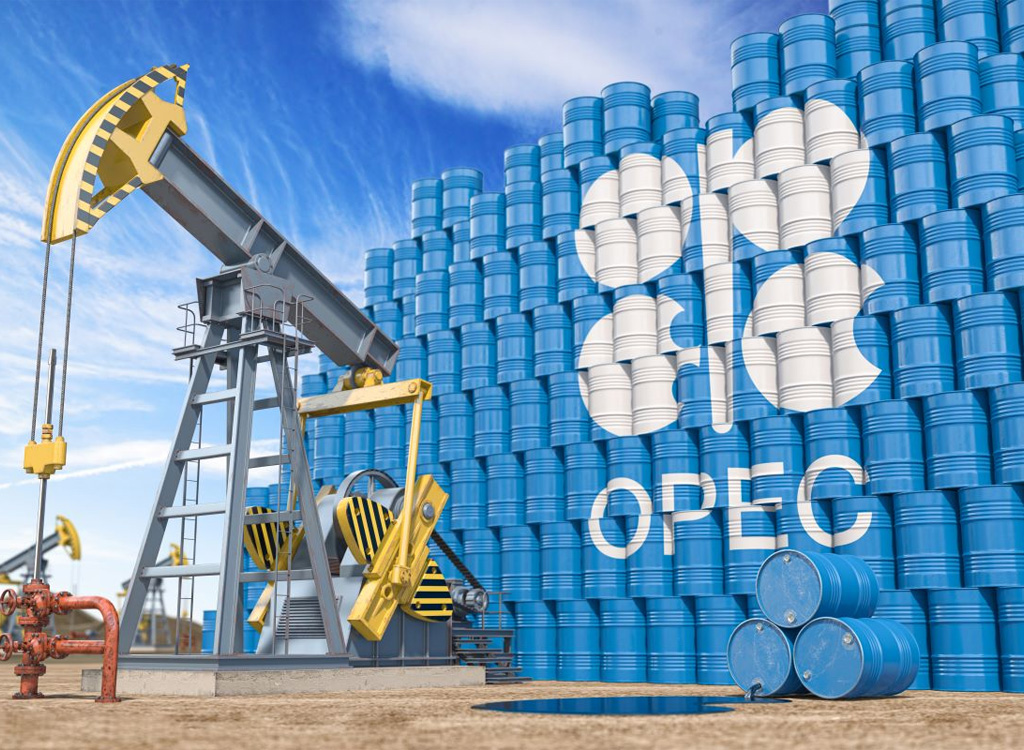
The world’s leading oil-producing nations are once again increasing crude output, signalling a shift in strategy as they seek to balance market stability with growing competition and uncertain global demand.
The decision by OPEC+ countries to expand monthly oil production marks another important development in the global energy market, with implications that extend well beyond oil-producing nations. From fuel prices and inflation to economic growth and geopolitical influence, changes in OPEC+ production levels are closely watched by governments, businesses and consumers alike.
The move comes as the global oil market navigates a complex landscape shaped by slowing economic growth in some regions, recovering demand in others and continued geopolitical uncertainty.
A strategic shift
For much of the past two years, OPEC+ – the alliance of the Organisation of the Petroleum Exporting Countries (OPEC) and major non-OPEC producers led by Russia – has relied on production cuts to support oil prices amid concerns about weakening demand.
By limiting supply, the group sought to prevent sharp price declines and maintain market stability during periods of economic uncertainty.
The latest decision to increase monthly production reflects changing market conditions and suggests that producers believe there is room to gradually return more oil to the global market without causing significant oversupply.
Rather than a sudden surge in production, the increase is expected to be phased in through monthly adjustments, allowing the alliance to monitor market conditions and respond if demand weakens or prices become excessively volatile.
Balancing supply and demand
Oil markets remain highly sensitive to even relatively small changes in production.
Global demand continues to be influenced by economic performance in major consuming countries, industrial activity, transportation needs and seasonal consumption patterns.
While demand has shown resilience in several emerging economies, slower growth in parts of Europe and ongoing uncertainty surrounding global trade continue to weigh on forecasts.
At the same time, producers outside OPEC+, particularly in North and South America, have expanded production in recent years, increasing competition within the global market.
For OPEC+, gradually raising production also helps members protect their market share while avoiding the sharp price swings that can result from abrupt policy changes.
What it means for oil prices
Increased production generally places downward pressure on oil prices by expanding supply.
However, the ultimate impact will depend on how global demand evolves over the coming months.
If consumption continues to grow at a pace similar to production increases, prices may remain relatively stable.
If economic growth slows significantly or demand weakens unexpectedly, additional supply could contribute to lower crude prices.
Conversely, geopolitical tensions, supply disruptions or stronger-than-expected economic activity could offset the impact of increased production and keep prices elevated.
For consumers, the effect on petrol and diesel prices is rarely immediate. Retail fuel costs are influenced not only by international crude prices but also by refining costs, shipping expenses, taxes, exchange rates and domestic pricing policies.
Implications for the global economy
Oil remains one of the world’s most strategically important commodities.
Changes in crude prices influence transportation costs, manufacturing expenses, electricity generation in some countries and agricultural production.
As a result, oil prices have a direct impact on inflation.
Lower energy prices can ease inflationary pressures by reducing the cost of transporting goods and producing essential commodities.
This can provide relief for households and businesses while giving central banks greater flexibility in managing interest rates.
On the other hand, countries that rely heavily on oil exports may experience reduced government revenues if prices decline significantly.
Maintaining a balance between affordable energy for consumers and sustainable revenues for producers remains one of the central challenges facing oil markets.
Implications for import-dependent economies
For countries that import most of their fuel, developments within OPEC+ carry particular significance.
Lower international oil prices can reduce import bills, improve trade balances and ease pressure on foreign exchange reserves.
Businesses that depend on transportation and logistics may also benefit from lower fuel costs, potentially helping to moderate the prices of goods and services.
However, these benefits are not automatic. Currency movements, taxation and domestic pricing mechanisms often determine how much of any decline in global oil prices reaches consumers.
The geopolitical dimension
OPEC+ decisions are never purely economic. The alliance includes countries with differing political priorities, fiscal needs and production capacities, making production agreements the product of careful negotiation.
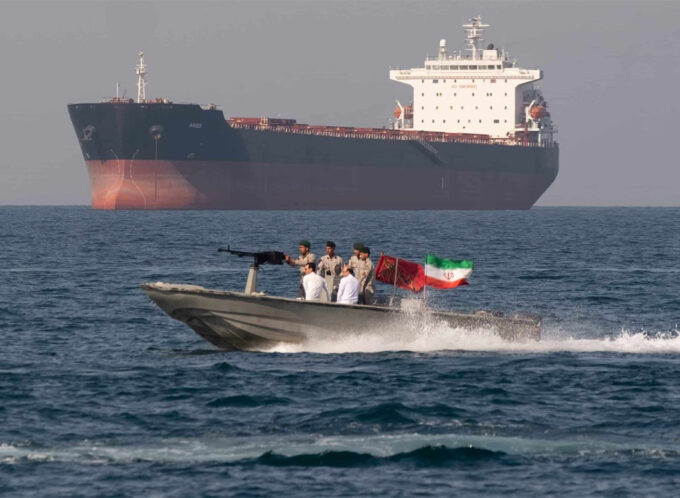
Energy policy has become increasingly intertwined with international relations, particularly following recent geopolitical conflicts and shifts in global trade. The ability of OPEC+ to maintain unity while adjusting production remains a key factor influencing confidence in global oil markets.
Market analysts will be watching closely to see whether all participating countries adhere to agreed production targets and whether future adjustments become necessary.
(With input from news agencies)











Leave a comment