
By The Pulseline News Desk
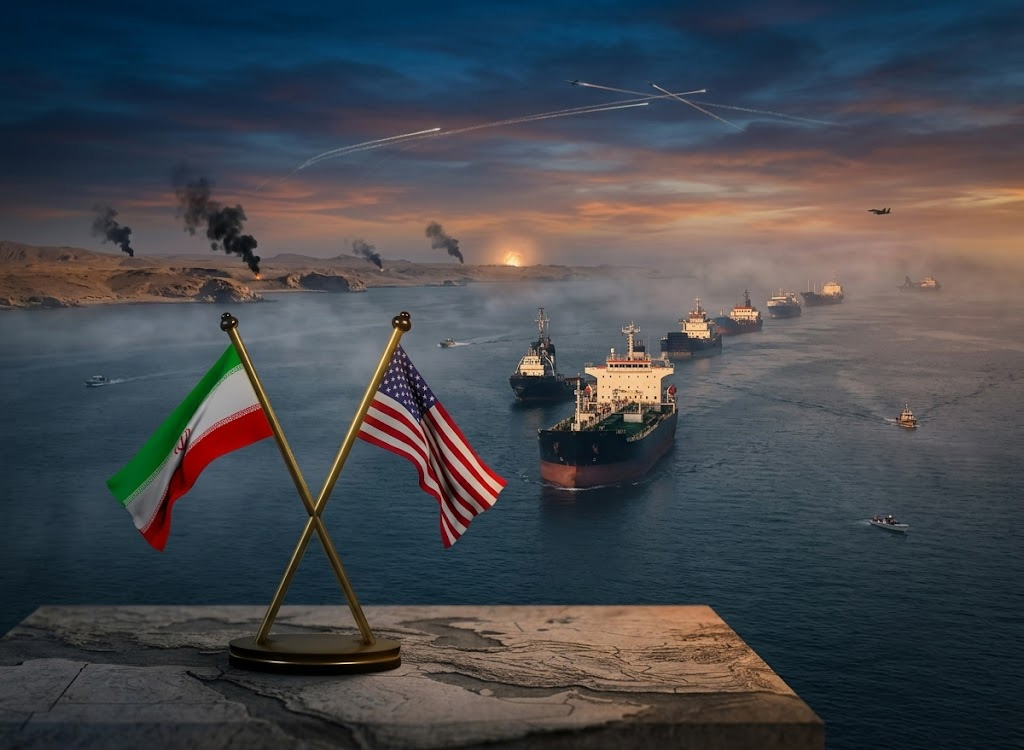
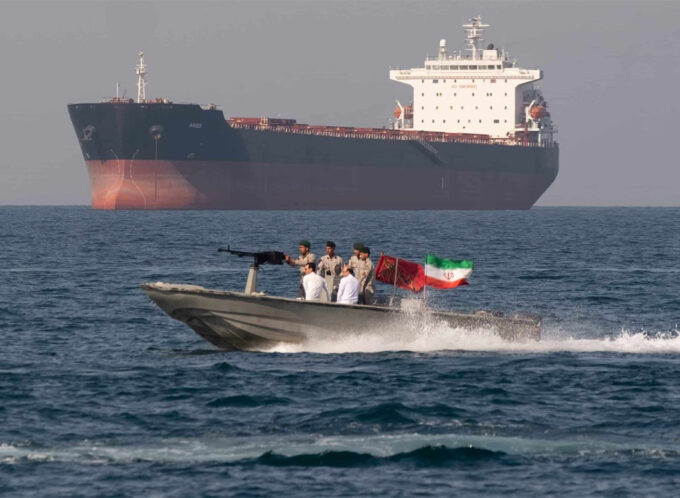
The waters of the Strait of Hormuz, long regarded as one of the world’s most volatile maritime corridors, have once again become the centre of a rapidly escalating confrontation between the United States (US) and Iran.
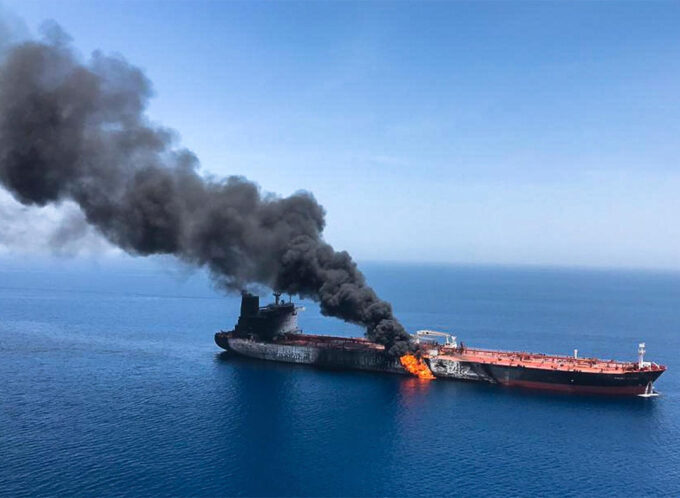
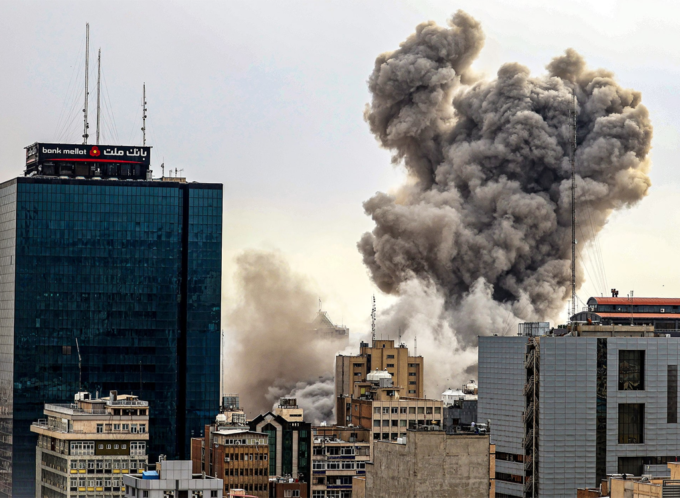
The latest crisis unfolded after attacks on commercial tankers transiting the strategic waterway prompted the US to launch a series of military strikes on Iranian targets. Washington said the operation was intended to deter further attacks on international shipping and protect freedom of navigation through a route that carries nearly one-fifth of the world’s seaborne oil.
Iran responded within hours, announcing missile and drone strikes against what it described as 85 US military targets in Bahrain and Kuwait. Air defence systems were activated across the Gulf as explosions and warning sirens heightened fears that the confrontation could spread well beyond Iranian territory. While Tehran claimed significant military success, the full extent of the damage has not been independently verified.
The exchange marks one of the most serious escalations between the two adversaries in recent years and has renewed concerns that a conflict once confined to isolated incidents could evolve into a broader regional war.
At the heart of the crisis lies the Strait of Hormuz, a narrow passage connecting the Persian Gulf to the Gulf of Oman. The waterway serves as a critical artery for global energy supplies, making any disruption an immediate concern for economies around the world. As reports of the strikes emerged, oil prices rose sharply amid fears that continued military action could threaten shipping and energy exports from the Gulf.
For Gulf nations, the crisis presents an increasingly difficult security challenge. Bahrain and Kuwait, both home to major US military facilities, now find themselves on the frontline of a confrontation between Washington and Tehran. Governments across the region have strengthened security measures while urging restraint to prevent a wider conflict that could engulf neighbouring states.
The military exchanges also expose the fragility of diplomatic efforts to contain tensions. Previous attempts to establish understandings over maritime security and regional stability have repeatedly faltered amid mutual accusations of aggression and retaliation. Each new strike increases political pressure on both sides to respond, narrowing the space for negotiations.
Beyond the Middle East, the consequences are already being felt in global financial markets. Higher energy prices threaten to fuel inflation, while insurers and shipping companies are reassessing the risks of operating in one of the world’s busiest maritime corridors. Prolonged instability could disrupt supply chains and place additional strain on economies already grappling with geopolitical uncertainty.
As the US vows to defend international shipping and Iran insists it will continue to respond to military action, the prospect of further escalation remains high. Whether the latest exchange becomes another episode in a long-running rivalry or the opening chapter of a broader regional conflict may depend on the choices made in Washington, Tehran and Gulf capitals in the days ahead.
For now, the Strait of Hormuz remains more than a strategic waterway. It has once again become the focal point of a confrontation whose consequences extend far beyond the Middle East, with implications for global security, energy markets and international diplomacy.
(With input from news agencies)









Leave a comment