
Military action threatens fragile diplomacy as Washington and Tehran edge toward possible ceasefire
By The Pulseline News Desk
The United States (U.S.) launched fresh military strikes against Iranian targets on Monday, intensifying tensions at a moment when negotiators were reportedly close to securing a fragile peace arrangement aimed at halting months of escalating conflict in the Gulf.
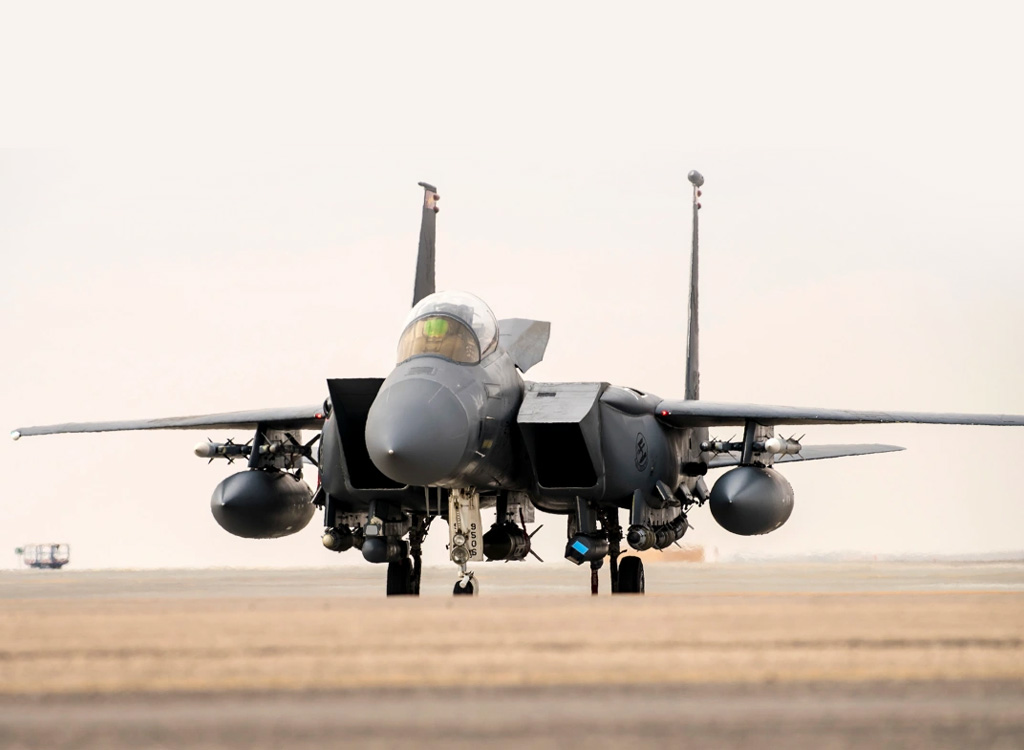
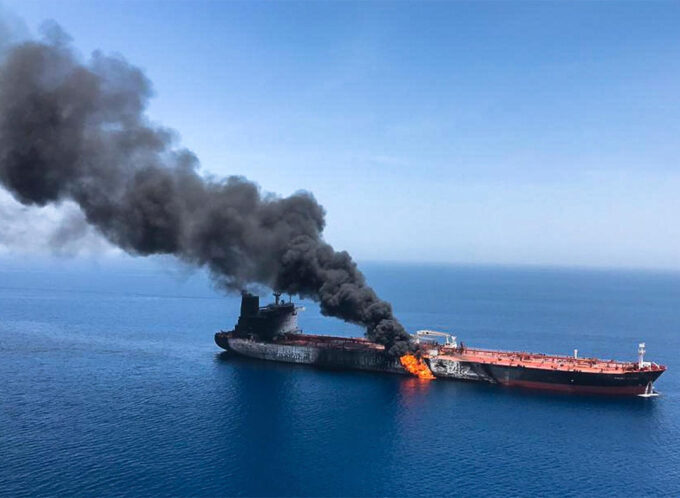
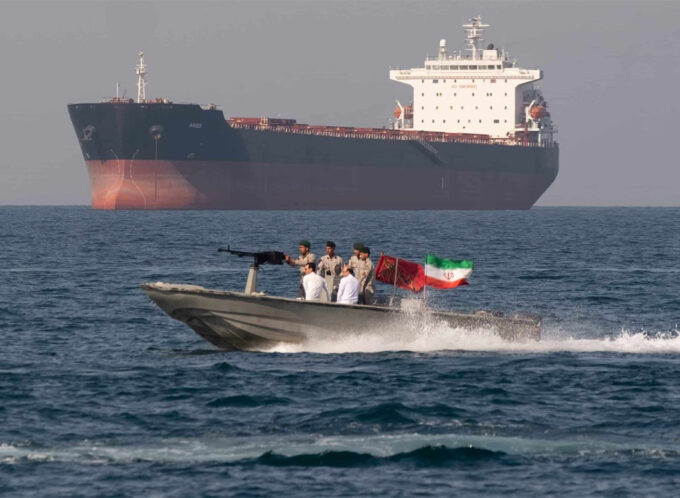
U.S. Central Command said American aircraft struck Iranian missile installations and Revolutionary Guard naval assets near the Strait of Hormuz after intelligence indicated preparations for attacks on commercial shipping and U.S. military positions in the region. The Pentagon described the operation as a “limited self-defense action.”
The strikes came just hours before diplomats from the U.S., Iran, Qatar and several Gulf states resumed negotiations in Doha over a proposed ceasefire framework that officials say could reopen vital shipping lanes and reduce the risk of a broader regional war.
Iran swiftly condemned the attacks, accusing Washington of sabotaging diplomatic efforts while publicly claiming to support peace.
“This aggression proves the United States cannot be trusted in negotiations,” Iranian Foreign Ministry spokesman Nasser Kanaani said in a televised statement. “Iran will respond appropriately to any violation of its sovereignty.”
Despite the sharp rhetoric, sources familiar with the talks said negotiations had not collapsed and that mediators were still pushing both sides toward a temporary agreement that would include a suspension of hostilities, maritime security guarantees in the Gulf and limited sanctions relief.
The latest strikes highlight the increasingly precarious balance between military escalation and diplomacy that has defined the U.S.-Iran confrontation in recent months.
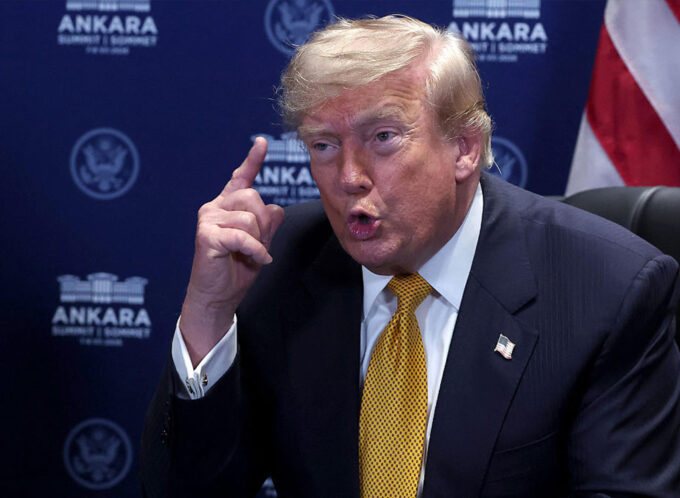
President Donald Trump, speaking at the White House on Sunday, insisted Washington remained committed to a peaceful outcome but warned Tehran against testing American resolve.
“We’re very close to a deal,” Trump said. “But if Iran threatens our troops or closes the Strait, we will act very strongly.”
The Strait of Hormuz remains central to the crisis. Nearly one-fifth of the world’s oil supply passes through the narrow waterway, and fears of disruption have repeatedly jolted global energy markets since fighting intensified earlier this year.
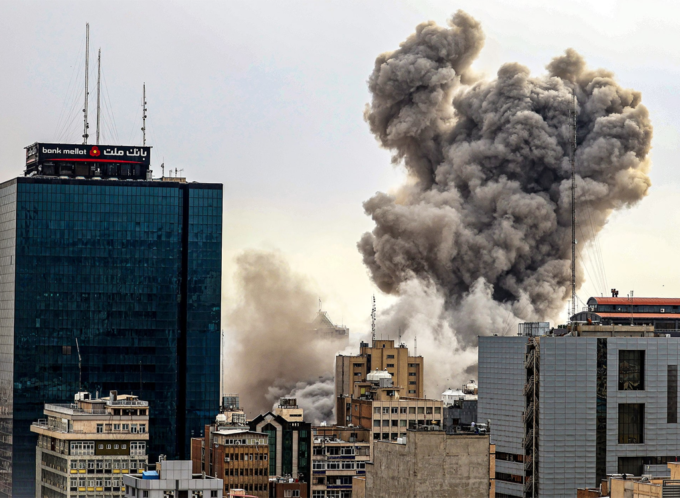
The conflict escalated after a series of coordinated U.S. and Israeli operations targeting Iranian military and nuclear infrastructure, prompting Tehran to retaliate through regional proxy groups and naval operations in the Gulf. Since then, sporadic missile exchanges, drone attacks and maritime confrontations have pushed the region to the edge of wider war.
Diplomatic momentum had appeared to build over the past week as Qatar and other regional mediators brokered indirect communication between Washington and Tehran. Officials involved in the talks said both sides had shown tentative willingness to de-escalate under mounting economic and political pressure.
For Iran, continued sanctions and military losses have deepened economic instability at home. For the U.S., rising oil prices and fears of another prolonged Middle East conflict have become increasingly sensitive political issues ahead of congressional elections.
Still, analysts warned that the latest American strikes could undermine already fragile trust.
“Both sides are negotiating while simultaneously trying to improve their leverage through military pressure,” said Lina Khatib, a Middle East analyst based in London. “That creates an extremely dangerous environment where one miscalculation could derail diplomacy entirely.”
Oil prices fluctuated sharply following reports of the strikes before stabilising amid hopes that talks in Doha would continue.
By Monday evening, there were no indications of immediate Iranian retaliation, though regional military forces remained on heightened alert.
For now, the Middle East once again finds itself caught between diplomacy and confrontation – with peace negotiations proceeding under the shadow of warplanes overhead.
(With input from news agencies)









Leave a comment