
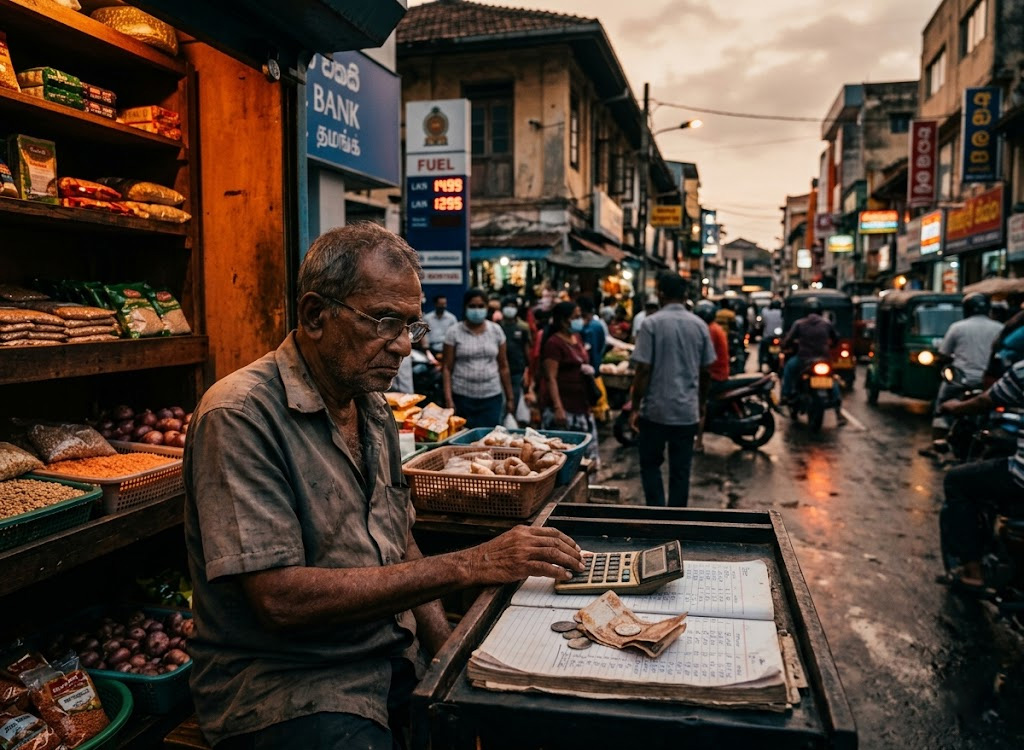
Higher borrowing costs, rising fuel prices and mounting household pressure test fragile economic recovery
By The Pulseline News Desk
The decision of the Central Bank of Sri Lanka (CBSL) to raise interest rates for the first time in more than a year is expected to ripple across the economy, increasing pressure on households and businesses already struggling with rising living costs and global uncertainty.
The CBSL on Tuesday increased the Overnight Policy Rate (OPR) by 100 basis points to 8.75%, citing mounting inflationary pressures, higher global oil prices linked to tensions in the Middle East, and stronger domestic demand.
The move signals growing concern among policymakers that inflation, which had eased significantly after the country’s worst economic crisis in 2022, could once again destabilise the fragile recovery.
Inflation rose to 5.4% year-on-year in April 2026, driven largely by higher energy prices and transportation costs after global crude oil prices surged amid escalating tensions involving Iran and the United States (US).
Immediate impact
For ordinary Sri Lankans, the impact is likely to be immediate and deeply personal.
Higher interest rates typically translate into increased borrowing costs for housing loans, vehicle leases, personal credit and business financing. Commercial banks are expected to gradually raise lending rates in response to the Central Bank’s decision, making loans more expensive for consumers and companies alike.
For many families still recovering from years of economic hardship, that could further tighten already strained household budgets.
According to economic analysts, people had only just started breathing again after the crisis and now they are facing rising food, transport and electricity costs together with higher loan repayments. This is expected to result in consumer confidence weakening very quickly.
The coubntry’s middle class may feel the sharpest effects. Many households took on debt during the post-crisis recovery period when interest rates began easing and economic activity slowly improved. A rate increase now means monthly repayments on floating-rate loans are likely to rise.
Impact on businesses
Small and medium-scale businesses may also come under pressure.
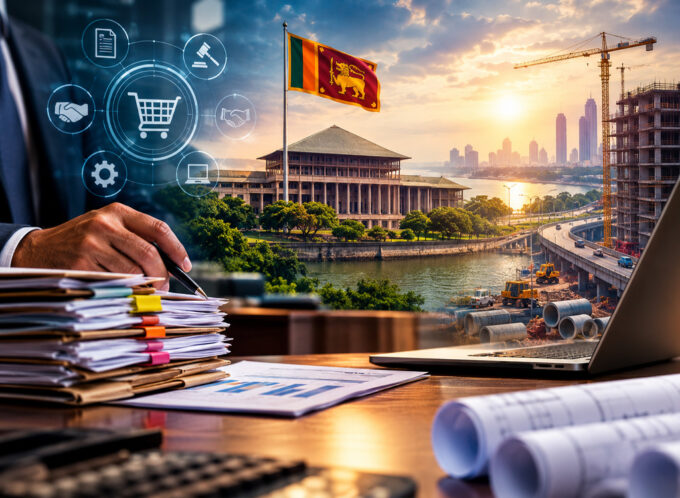
Retailers, manufacturers and exporters who rely on bank credit for working capital are expected to face higher financing costs at a time when profit margins are already narrowing due to increased fuel and import expenses. Economists warn that slower private sector investment could dampen growth momentum in the second half of the year.
The tourism and construction sectors, both considered crucial to Sri Lanka’s recovery, could also experience setbacks if borrowing costs remain elevated for an extended period.
Preventing inflation
At the same time, the CBSL appears determined to prevent inflation from accelerating further, fearing a repeat of the economic instability that pushed the country into sovereign default four years ago.
Officials argue that tighter monetary policy is necessary to anchor inflation expectations and stabilise the rupee amid volatile global conditions.
The renewed rise in global oil prices has complicated Sri Lanka’s economic outlook significantly. As a net fuel importer, the country remains highly vulnerable to external energy shocks. Increased petroleum costs not only affect transportation and electricity generation but also feed into food prices and manufacturing costs across the economy.
Public transport fares, logistics expenses and electricity bills are already expected to rise further if oil prices remain elevated.
For lower-income families, the consequences could be severe.
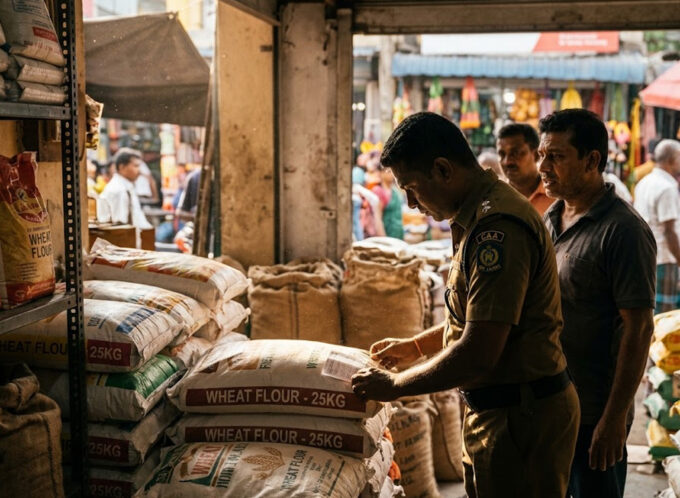
Although inflation is far below the peak levels seen during the 2022 crisis, wage growth has remained uneven, and many workers continue to struggle with reduced purchasing power. Rising prices for essentials such as rice, vegetables, cooking gas and transport are likely to deepen financial stress among vulnerable communities.
“There is fear because people remember how quickly prices spiralled before,” said a grocery shop owner in Pettah Market. “Customers are already buying less. If transport and electricity go up again, everything becomes expensive.”
Macroeconomic stability
Financial markets reacted cautiously to CBSL’s announcement, with analysts viewing the move as an attempt to protect macroeconomic stability rather than aggressively slow growth.
Some economists believe the rate increase could help stabilise the currency and reassure international lenders, including the International Monetary Fund (IMF), that Sri Lanka remains committed to disciplined monetary policy.
However, others warn that aggressive tightening could weaken economic activity just as the country was beginning to regain momentum.
Sri Lanka’s economy has shown signs of recovery over the past year through improved tourism earnings, stronger remittance inflows and easing shortages. Yet the latest policy move highlights how vulnerable that recovery remains to global shocks beyond the island’s control.










Leave a comment