
By The Pulseline News Desk
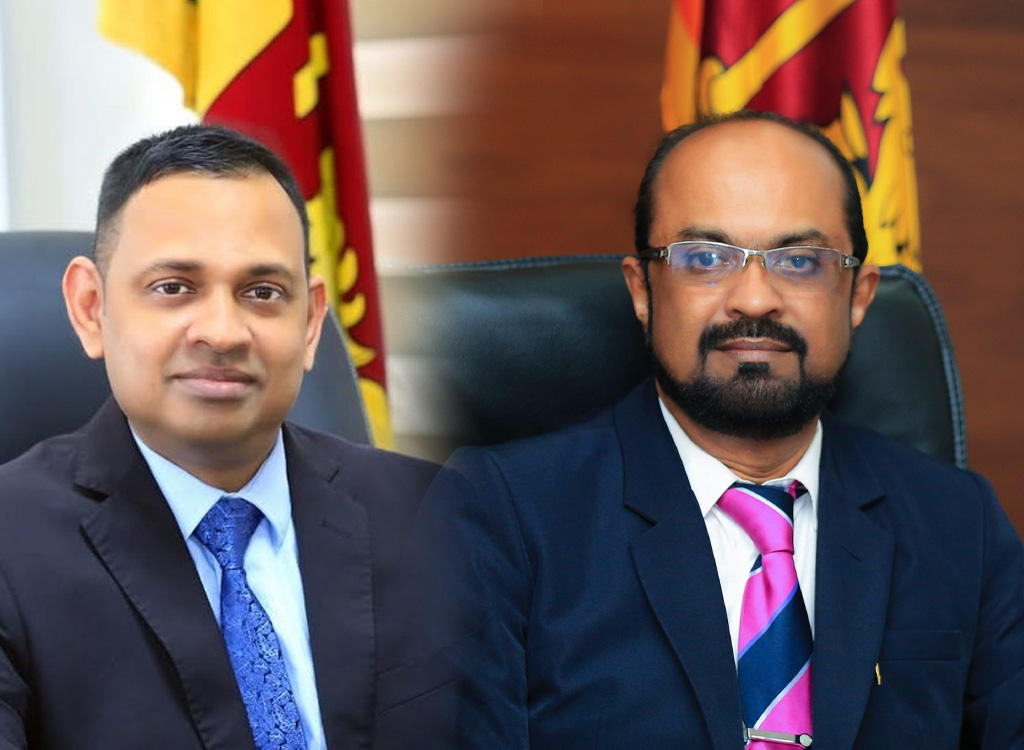
The resignations of controversial Energy Minister Kumara Jayakody and Energy Ministry Secretary Udayanga Hemapala mark more than a routine administrative shake-up — they expose the fragility at the heart of the country’s energy governance at a moment when stability is not optional.
Jayakody’s exit, coming amid persistent scrutiny over pricing, procurement opacity, and reform delays, underscores a recurring pattern: accountability arrives late, and often only under pressure. Hemapala’s departure alongside him suggests this was not merely a political sacrifice at the top, but an institutional reset — whether genuine or cosmetic remains to be seen.
For a country still navigating the aftershocks of its economic crisis, the Energy Ministry is no ordinary portfolio. It sits at the intersection of public anger and fiscal survival. Fuel pricing formulas, power purchase agreements, and the restructuring of state-owned entities like the Ceylon Electricity Board are not abstract policy debates; they translate directly into household costs and business viability.
What makes this episode politically significant is timing. The government has been attempting to project an image of reform credibility to international lenders and domestic constituencies alike. Yet repeated controversies in the energy sector — whether over alleged irregular tenders or inconsistent tariff policies — have chipped away at that narrative. These resignations, instead of closing a chapter, risk reinforcing a perception of drift and reactive governance.
The deeper issue is structural. Sri Lanka’s energy sector has long been entangled in a web of political appointments, short-term fixes, and resistance to market-oriented reforms. Removing individuals does little if the system that enabled questionable decisions remains intact. Without transparent procurement processes, independent regulatory oversight, and a clear long-term energy strategy, the cycle is likely to repeat.
There is also a political calculus at play. By allowing — or compelling — these resignations, the administration may be attempting to contain fallout and signal responsiveness. But such moves carry diminishing returns when not paired with visible, systemic change. The public, already strained by high living costs, is less interested in personnel changes than in measurable outcomes: stable supply, fair pricing, and credible governance.
The incoming leadership at the Energy Ministry will inherit a portfolio that is both technically complex and politically volatile. Their challenge will be immediate: restore confidence without triggering further public backlash. That means not just revisiting policy decisions but communicating them clearly—something the ministry has consistently struggled to do.
In the end, the resignations of Jayakody and Hemapala are less an endpoint than a test. If they lead to genuine reform, they may yet serve as a turning point. If not, they will be remembered as another moment when Sri Lanka changed faces but not direction.









Leave a comment