
By The Pulseline News Desk
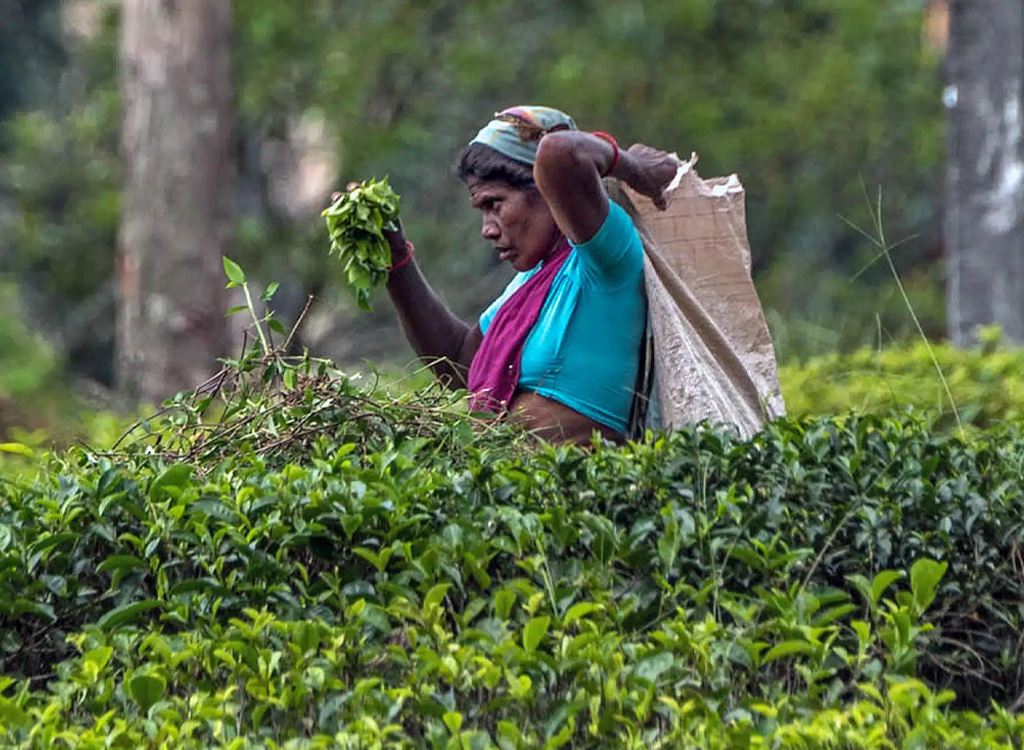
The lush green tea estates that stretch across the hill country have long symbolised the country’s global reputation for premium Ceylon tea. But a new report by Amnesty International has cast a harsh spotlight on the conditions faced by the workers who sustain the billion-dollar industry.
In a report released on Tuesday (27), Amnesty International has alleged that Malaiyaha Tamil workers employed on private tea estates are facing serious labour rights violations that may amount to forced labour under indicators recognised by the International Labour Organisation (ILO).
The findings are based on research conducted between January 2024 and January 2026 across 45 tea estates in the Galle and Matara districts in southern Sri Lanka. Amnesty researchers had interviewed 159 workers, estate managers and supervisors, documenting allegations of intimidation, threats, physical violence, exploitative debt practices, restricted movement and poor living conditions.
“Private tea estates in Sri Lanka are systematically violating labour laws in their treatment of Malaiyaha Tamil workers with no accountability,” said Smriti Singh.
She warned that reports of withheld wages, violence and debt dependency raised “serious concerns about forced labour.”
Generations of marginalisation
The allegations highlight longstanding inequalities within Sri Lanka’s plantation sector, where Malaiyaha Tamil workers — descendants of labourers brought from India during British colonial rule — continue to occupy some of the country’s most economically vulnerable communities.
Despite their central role in sustaining the tea industry, many plantation workers have historically faced low wages, poor housing and limited access to healthcare, education and social mobility.
Amnesty International has said many workers interviewed for the report were allegedly classified as “casual workers,” a designation that prevents them from accessing labour protections guaranteed under Sri Lankan law, including pensions, maternity benefits, sick leave and job security.
Workers had also described intense production pressures. Some had alleged they were expected to pick more than 25 kilograms of tea leaves per day in order to qualify for full wages. Failure to meet targets, according to testimonies in the report, often resulted in wage deductions or delayed payments.
Fear and dependency
The report has further alleged that many workers remain heavily dependent on estate management not only for employment, but also for housing. Families living in estate-owned accommodation reportedly feared eviction or retaliation if they complained about working conditions or attempted to challenge management.
Several workers had also described conditions that Amnesty has said reflected indicators of forced labour under international standards, including debt bondage, coercion and restrictions on freedom of movement.
Many plantation homes, commonly known as line rooms, continue to suffer from overcrowding, poor sanitation and inadequate infrastructure, according to labour advocates.
The findings have come at a time when Sri Lanka’s tea industry faces growing international scrutiny over ethical sourcing and labour standards. Tea remains one of the country’s largest export sectors, generating significant foreign exchange revenue and supporting hundreds of thousands of livelihoods.
Calls for accountability
Amnesty International has called on Sri Lankan authorities to strengthen labour inspections, enforce existing labour laws and remove barriers preventing plantation workers from accessing justice and trade union representation.
“Sri Lanka’s obligation to eradicate forced labour is clear under both domestic and international law,” Singh said.
The report is expected to increase pressure on both plantation companies and government regulators, particularly as international consumers and global markets place greater emphasis on ethical supply chains and human rights compliance.
For many workers in Sri Lanka’s tea estates, however, the concerns outlined in the report are deeply familiar — part of a struggle over wages, dignity and basic protections that has persisted for generations beneath the image of one of the country’s most celebrated industries.










Leave a comment