
Escalating Gulf tensions raise fears of wider regional conflict
By The Pulseline News Desk
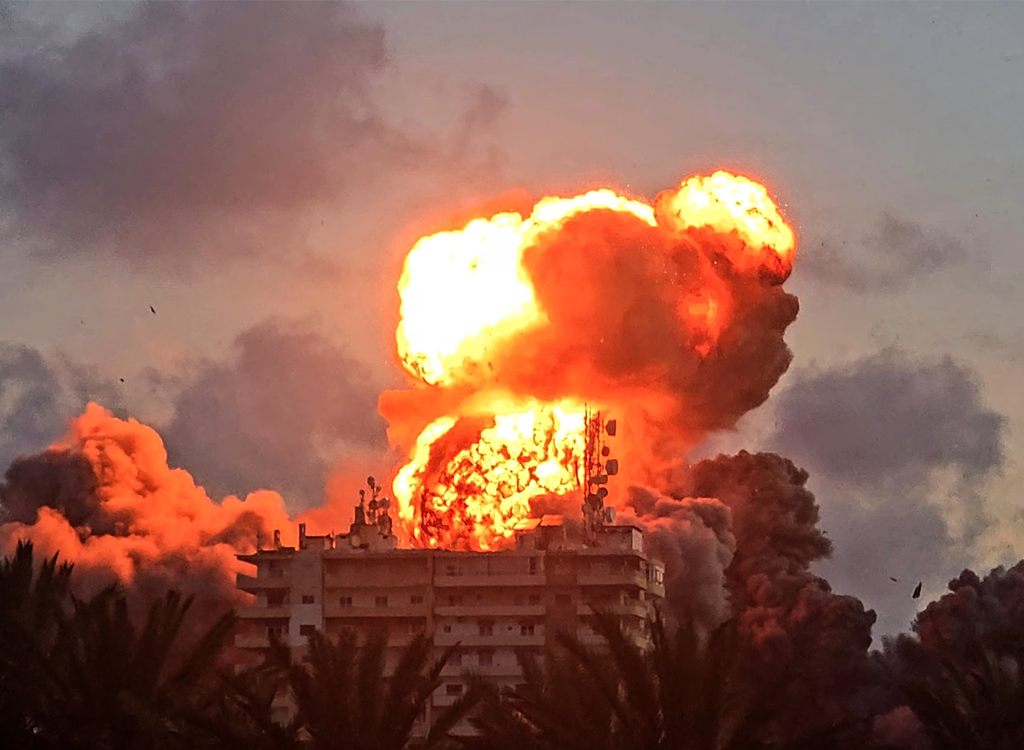
The Middle East edged closer to a dangerous new phase of confrontation on Thursday after Iran said it had targeted an American military base in response to fresh U.S. strikes near the strategic southern city of Bandar Abbas.
Iran’s Islamic Revolutionary Guard Corps (IRGC) announced that it had launched retaliatory operations against what it described as “aggressive American actions” following overnight U.S. attacks on Iranian military infrastructure. The statement came amid growing fears that the long-running shadow conflict between Tehran and Washington could spiral into a broader regional war.
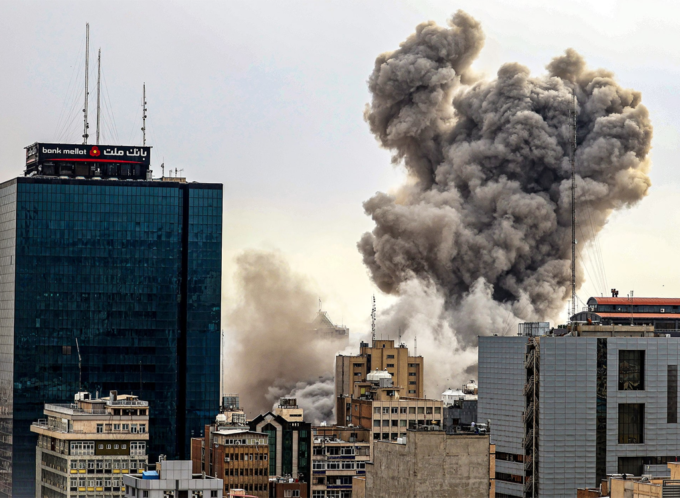
The U.S. earlier confirmed military action against Iranian drone and missile facilities, saying the strikes were intended to neutralize imminent threats to American forces and commercial shipping routes in the Strait of Hormuz. U.S. officials described the operation as “limited” and “defensive,” insisting Washington does not seek wider escalation.
Iran, however, portrayed the strikes as a direct violation of its sovereignty.
State-linked Iranian media reported that the IRGC targeted a U.S. base in the Gulf region hours after the American attacks. Iranian authorities did not immediately identify the specific base, while regional governments heightened security measures amid reports of increased air defense activity across parts of the Gulf.
The exchange marks one of the most serious direct confrontations between the two countries in recent months and highlights the fragile state of regional stability.
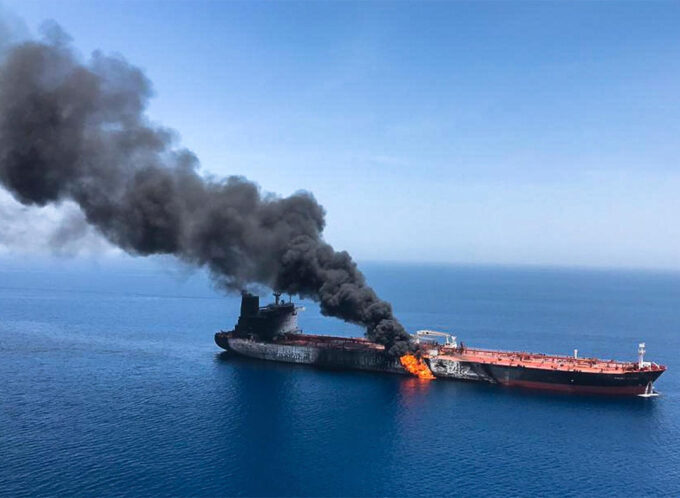
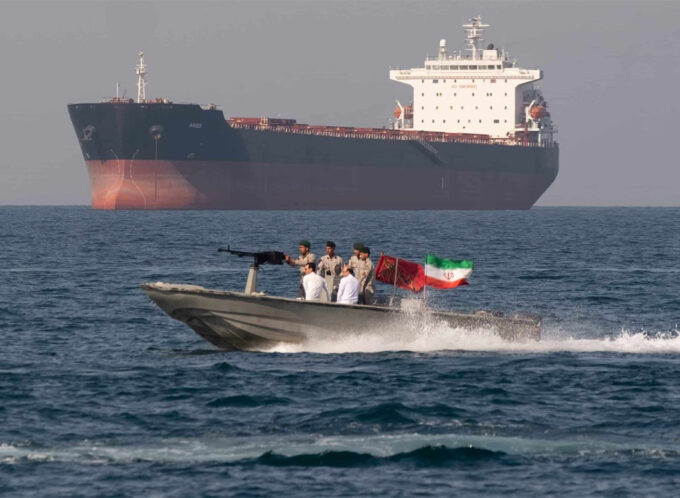
The Strait of Hormuz — a narrow waterway through which nearly one-fifth of the world’s oil supply passes — remains at the center of the crisis. Any disruption to shipping traffic through the strait could have immediate global economic consequences, particularly for energy markets already strained by geopolitical instability. Oil prices rose sharply following reports of the Iranian retaliation, reflecting investor concerns over potential supply disruptions and the possibility of prolonged conflict in the Gulf.
Across the region, governments are increasingly anxious about being drawn into a larger confrontation. Countries hosting American military installations fear becoming unintended battlegrounds if hostilities continue to intensify. Gulf states have repeatedly called for restraint, warning that further escalation could destabilize the wider Middle East.
For civilians, the latest developments have revived memories of previous regional crises marked by missile alerts, drone attacks, and fears of open warfare. In cities across the Gulf, residents are once again confronting uncertainty as military tensions rise and diplomatic efforts struggle to keep pace.
Despite the escalating rhetoric, analysts say both Tehran and Washington appear reluctant to enter full-scale war. Instead, both sides are attempting to project strength while avoiding actions that could trigger uncontrollable escalation.
(With input from news agencies)









Leave a comment