
By The Pulseline News Desk
Sri Lanka is witnessing a steady rise in HIV infections, with Colombo and Gampaha emerging as the country’s hotspots, prompting health authorities to expand screening services and warn against growing complacency about the virus.
While the country continues to maintain one of the lowest HIV prevalence rates in the region, officials say the increasing number of newly detected cases is a reminder that the epidemic remains an active public health challenge.
Speaking at a media briefing at the Ministry of Health, Consultant Community Physician Dr. Sathya Herath said HIV infections have been rising steadily since 2023, with this year’s reported cases already exceeding those recorded during the same period last year.
“Reports show that HIV cases have gradually increased from 2023 onwards, with this year’s figures already higher than last year’s. Colombo and Gampaha continue to report the highest numbers, largely due to their larger populations,” she said.
Health officials say men account for a larger share of newly reported infections than women, reflecting patterns observed in recent years.
According to Dr. Herath, unsafe sexual practices remain the leading route of HIV transmission in Sri Lanka. The sharing of contaminated needles, syringes and other injecting equipment among people who use drugs also continues to contribute to the spread of the virus.
The rise in infections has reinforced concerns that misconceptions about HIV, combined with low rates of voluntary testing and persistent stigma, may be delaying diagnosis and treatment.
Medical experts stress that early detection is critical. People living with HIV who receive timely treatment can lead long, healthy lives while significantly reducing the risk of transmitting the virus to others.
Dr. Herath emphasised that HIV remains an incurable disease, requiring lifelong antiretroviral treatment and continuous medical follow-up. However, modern medicines can effectively suppress the virus, allowing patients to maintain good health if treatment is started early and taken consistently.
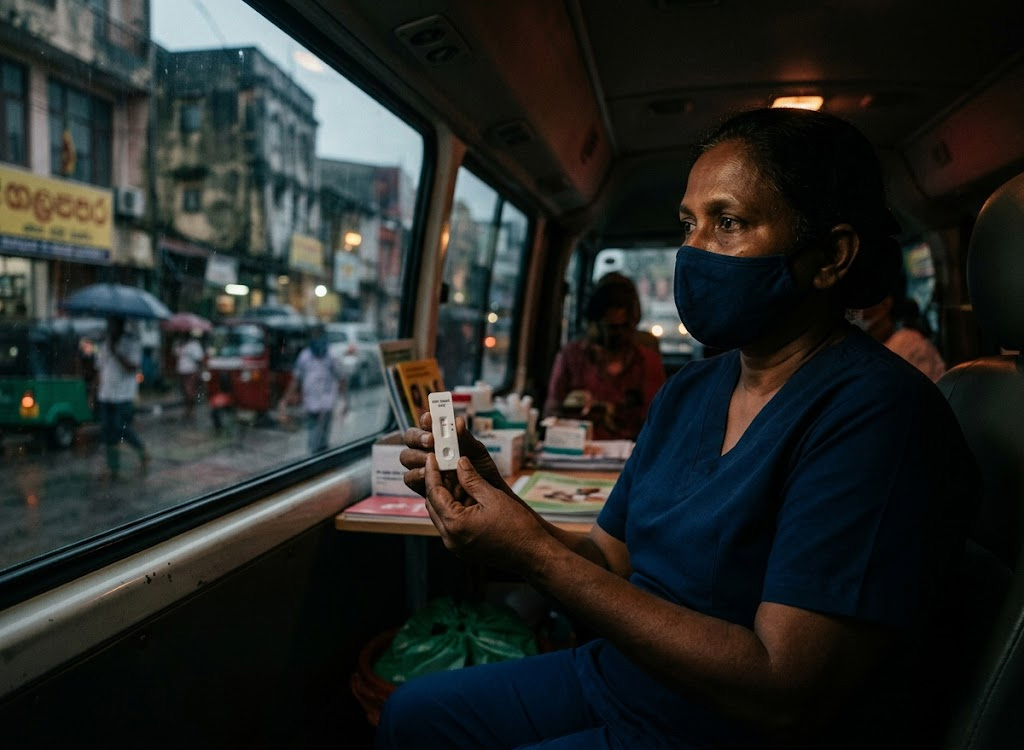
Recognising the need for wider access to testing, the National STD/AIDS Control Programme has expanded its outreach by introducing a special mobile clinic service in Colombo and Gampaha.
Launched as a pilot programme in January, the mobile clinics provide free and confidential screening for HIV, sexually transmitted infections (STIs) and hepatitis, together with counselling and treatment services. Health officials hope the initiative will encourage more people, particularly those reluctant to visit hospitals or clinics because of stigma, to get tested.
Public health authorities say increasing access to confidential testing is one of the most effective ways to identify infections early and prevent further transmission.
Although Sri Lanka’s HIV prevalence remains comparatively low by global standards, officials caution that rising annual case numbers should not be ignored. They say sustained public awareness, safer sexual behaviour, routine testing among at-risk groups and expanded healthcare services will be essential to preventing a wider spread of the virus.
For health authorities, the message is clear: HIV is no longer a distant concern but a continuing public health issue that requires vigilance, early diagnosis and informed public action rather than fear or stigma.












Leave a comment